

Chimney Waterproofing in Far Rockaway and Rockaway Beach: What It Costs and What You Can Skip the Pro For
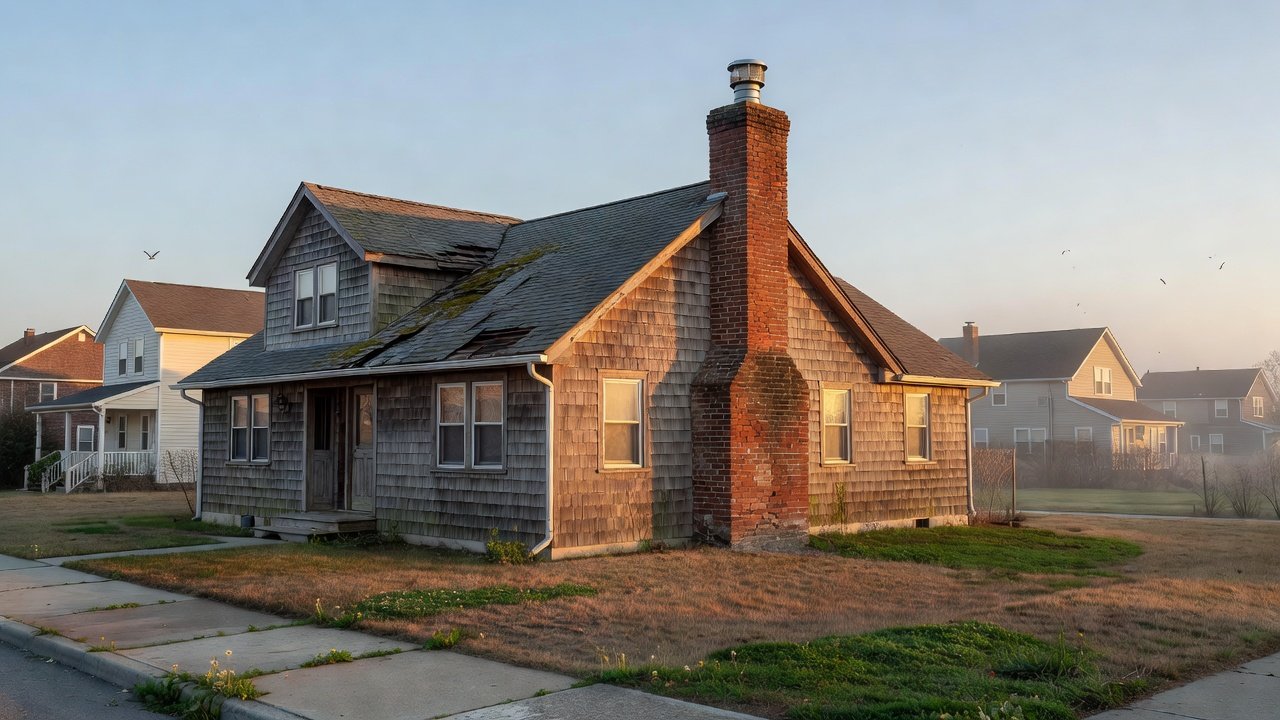
Salt air off Jamaica Bay creates conditions that inland homeowners rarely deal with. In Rockaway Beach and across the Far Rockaway peninsula, chimneys face ocean humidity, freeze-thaw cycles during winter, and wind-driven rain that can find its way through small cracks. Waterproofing is one of the more straightforward chimney services, but the price can vary considerably depending on the condition and accessibility of the chimney. For most single-flue residential chimneys in Far Rockaway, expect chimney waterproofing to cost approximately $250 to $900. Significant masonry repair, crown work, or flashing problems can push the total above $1,500.
What Chimney Waterproofing Actually Involves
Waterproofing is more than spraying a coating over the chimney. Done properly, the process starts with inspecting and preparing the exterior masonry. The surface needs to be clean and sufficiently dry before an appropriate masonry sealer is applied.
The product matters. A chimney should generally be treated with a vapor-permeable penetrating masonry sealer, rather than a film-forming paint or coating that can trap moisture inside the brick. The goal is to limit liquid water penetration while still allowing water vapor to escape.
In Rockaway Beach, where masonry can be exposed to years of moisture and salt-laden air, preparation can represent a significant portion of the labor. Open mortar joints, cracks, or damaged brick should be addressed before waterproofing rather than covered over.
What Drives the Cost Up or Down
Chimney height and access.
A standard two-story Far Rockaway home with straightforward roof access generally costs less to waterproof than a taller structure requiring additional safety equipment. Scaffolding or lift equipment can add substantially to the labor cost.
Brick condition.
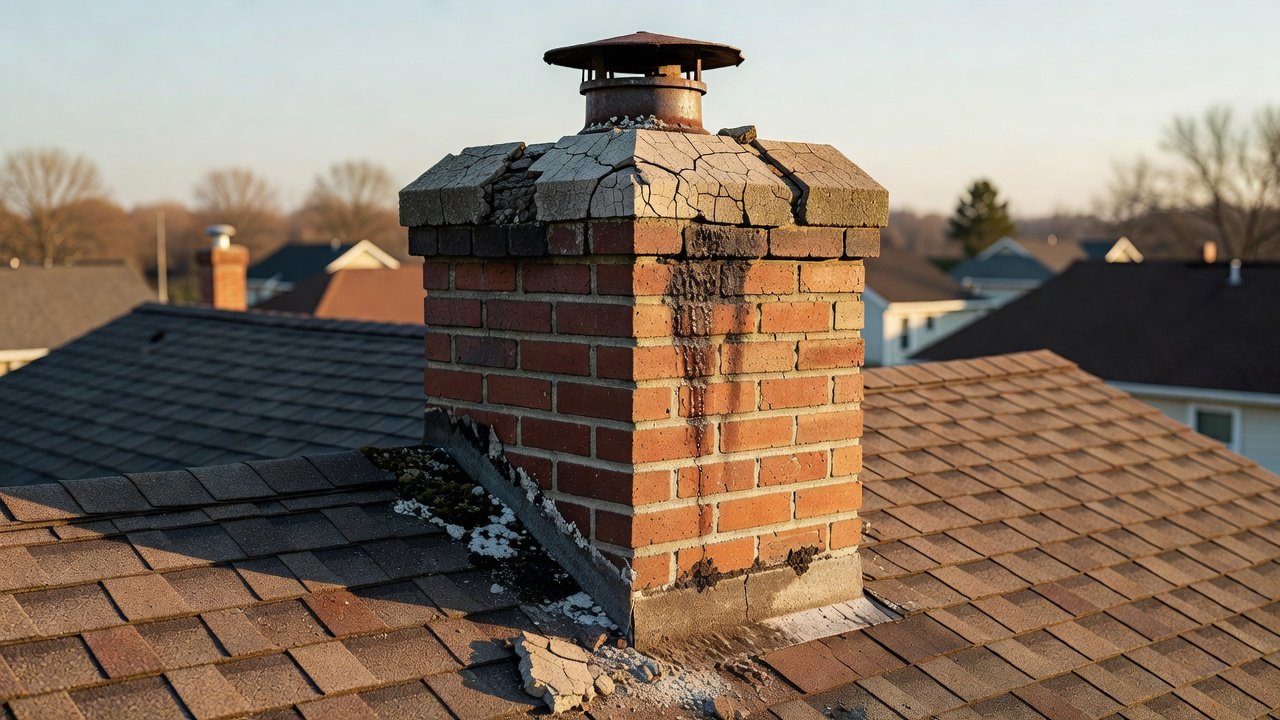
Waterproofing damaged masonry does not solve the underlying problem. Spalling brick may need to be repaired or replaced first. Deteriorated mortar joints may also require repointing before the sealer is applied. Depending on the extent, masonry repairs can add several hundred dollars to the project.
Crown condition.
The chimney crown helps shed water away from the masonry and flue. If it is cracked or deteriorated, water can continue entering through the top even after the brick has been waterproofed. Minor crown repairs may be relatively inexpensive, while a complete crown rebuild costs considerably more.
Flashing condition.
The flashing where the chimney meets the roof is another separate water-entry point. Waterproofing the brick will not stop a roof leak caused by deteriorated flashing. If the flashing is lifting, corroded, or improperly installed, it should be addressed separately.
Number of flues.
A multi-flue chimney generally has a larger surface area and may have a more complicated crown configuration. That can increase both material and labor requirements.
Sealer product.
Ask what product the contractor intends to use. A quality penetrating masonry water repellent is different from a generic exterior coating. The product should be appropriate for chimney masonry and should not create an impermeable film over the brick.
What’s Included vs. What’s an Add-On
A basic waterproofing project may include:
- Exterior visual assessment
- Surface cleaning and preparation
- Minor preparation of cracks or open joints
- Application of a suitable penetrating masonry sealer
- Inspection of the finished application
It typically does not automatically include:
- Full NFPA 211 chimney inspection
- Interior flue inspection
- Chimney cleaning
- Flashing repair or replacement
- Crown reconstruction
- Chimney cap replacement
- Extensive masonry restoration
- Major brick replacement
These are different services with different scopes. Before approving the work, make sure your written estimate identifies exactly what is included.
What a Homeowner Can Handle vs. What Needs a Pro
There are a few basic maintenance tasks a homeowner can reasonably handle.
You can inspect the chimney from a safe location, look for obvious white staining or damaged masonry, and check whether the chimney cap appears intact. You can also remove loose debris from an accessible cap if doing so does not require climbing onto a hazardous roof.
What you should generally leave to a professional is work that requires prolonged roof access or involves the chimney’s structural masonry.
That includes full exterior waterproofing, repointing mortar joints, repairing spalled brick, rebuilding a crown, and working around flashing. The fall risk alone makes roof-height chimney work substantially different from ground-level maintenance.
Product selection and application also matter. Penetrating sealers should be applied to properly prepared masonry under suitable weather conditions. Applying the wrong product or coating masonry that is not adequately prepared can create additional problems rather than solving the original moisture issue.
The important distinction is simple: checking your chimney is one thing. Repairing and waterproofing it from a pitched roof is another.
How to Avoid Paying for the Wrong Work
Ask the contractor to inspect the chimney before recommending waterproofing.
A good estimate should explain whether the primary problem is the masonry, crown, flashing, cap, or some combination of these components. If a company recommends waterproofing before identifying the source of the moisture, ask for more information.
You should also request separate pricing when multiple services are recommended. For example, an estimate might list masonry repair, crown repair, flashing work, and waterproofing as individual line items.
This makes it much easier to understand what you’re paying for and prevents a simple waterproofing project from becoming an unexplained bundle of services.
If you are comparing contractors, ask whether the technician is CSIA-certified and whether the company carries appropriate insurance. Most importantly, ask what product will be applied and whether the contractor’s warranty covers the waterproofing work.
When Waterproofing Makes Sense
Waterproofing is most useful when the masonry is structurally sound but needs additional protection from water penetration.
If you are already seeing efflorescence, spalling brick, deteriorated mortar, interior water staining, or moisture around the fireplace, don’t assume waterproofing alone will solve the problem. Those signs indicate that the chimney should be evaluated first.
A professional can determine whether the moisture is coming through the masonry, crown, flashing, or another component. Fixing the entry point before applying a protective treatment is usually the more sensible order of operations.
Protect Your Far Rockaway Chimney Before the Next Wet Season
Ridgewood Chimney serves homeowners throughout Far Rockaway, Rockaway Beach, and surrounding Queens and Nassau County communities.
If you have noticed white staining on the brick, deteriorating mortar, water around the fireplace, or other signs of moisture intrusion, contact us for a free inspection. We’ll assess the condition of the chimney and explain what actually needs attention before recommending waterproofing or other work.
The goal is simple: identify the source of the moisture, address the underlying problem, and protect the masonry properly.
Related from Far Rockaway Chimney: Chimney Repair in Far Rockaway, NY – Restore Safety & Structural I