

What a Chimney Inspection Actually Costs in Cedarhurst and What Happens If You Skip It
A chimney that looks fine from the street can be one heating season away from becoming a serious safety problem. That’s not scare copy. It’s a concern documented in residential chimney fire research, where problems can begin inside flue systems that homeowners assume are working properly. In Cedarhurst and the surrounding Five Towns communities, where pre-war colonials and Cape Cods are common and many chimneys have not had a camera inspection in years, the risk deserves attention. Here’s what a professional chimney inspection costs in this part of Nassau County, what affects the price, and what ignoring potential problems can actually cost you.
The Honest Price Range
A standard chimney inspection in Cedarhurst typically runs roughly $150 to $350 for what the Chimney Safety Institute of America classifies as a Level 1 inspection. This includes a visual examination of accessible portions of the exterior, firebox, damper, and flue opening. If the inspector finds something that warrants a closer look, or if you’re buying or selling a home, a Level 2 inspection with camera scanning of the full flue typically runs $300 to $600.
Level 3 inspections, which involve opening walls or removing components to access concealed areas, are uncommon and situation-specific. They typically start around $1,000 and can cost considerably more depending on the scope of work.
These are not arbitrary tiers. NFPA 211, the standard used for chimney system inspections, defines inspection levels based on what is being evaluated and the circumstances involved. A qualified inspector should explain which level applies to your situation and why.
What Drives the Cost Up or Down
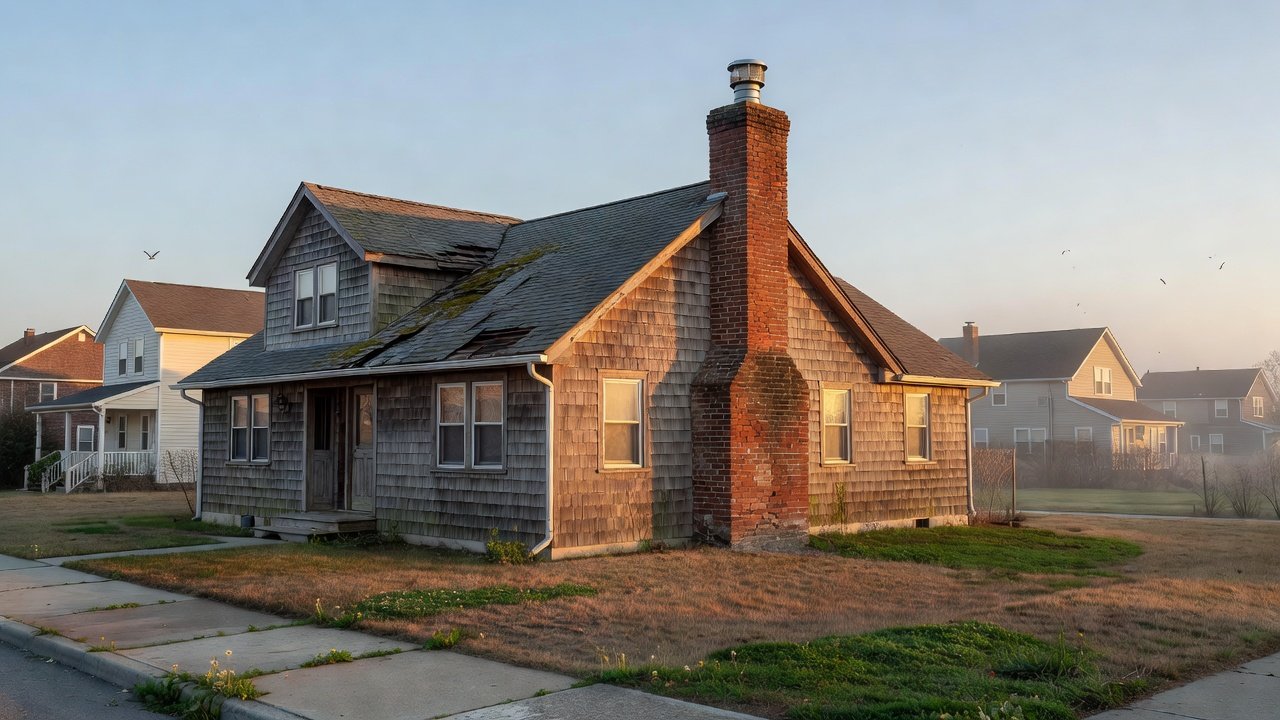
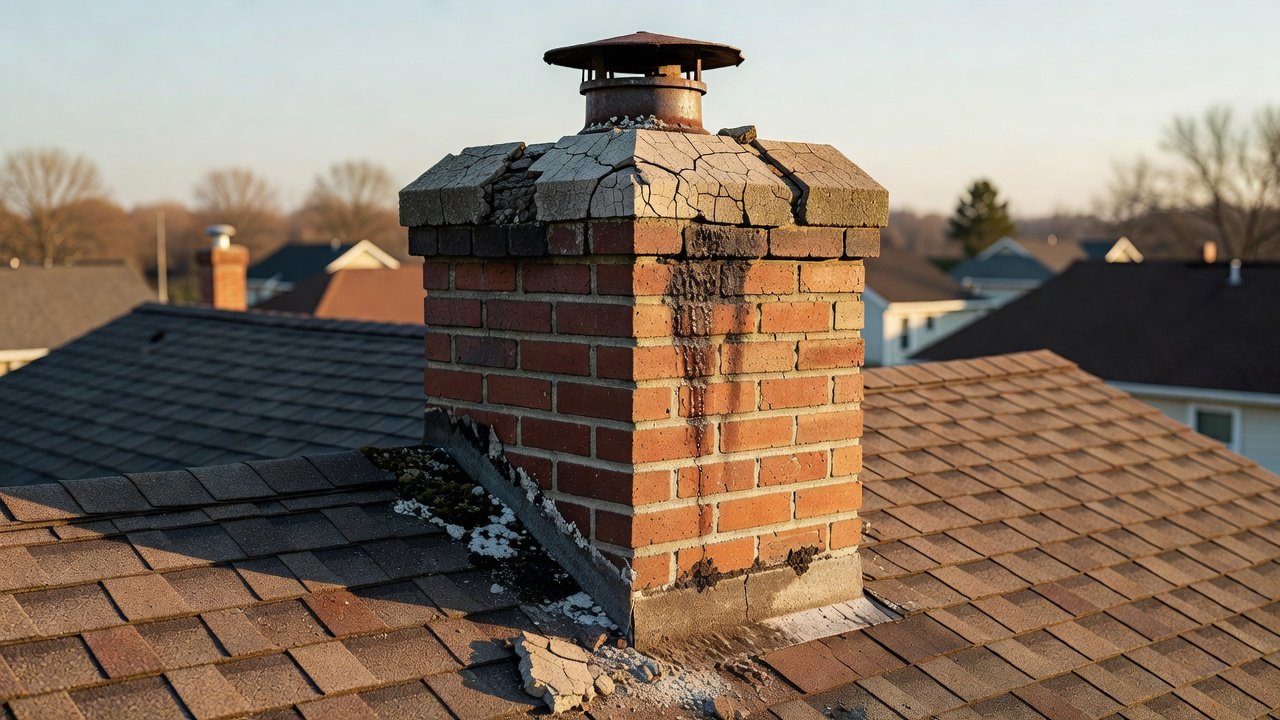
Age and condition of the system. Cedarhurst has a significant amount of housing stock dating from the 1920s through the 1950s. Older masonry chimneys can have deteriorated mortar joints, spalling brick, or clay tile liners that have cracked after decades of expansion and contraction. An inspector working on a 1938 Tudor in Cedarhurst or a postwar Cape Cod just over the line in Lawrence may spend more time evaluating an older system than someone inspecting a newer gas fireplace insert.
Number of flues. Many older homes have a single chimney serving two or three appliances, such as a fireplace, furnace, and sometimes a boiler. Each flue requires its own inspection, and some companies price their services per flue. Ask about this before you book.
Accessibility. If your roof has a steep pitch, the chimney is set back from the ridge, or the attic makes interior access difficult, expect a possible surcharge. These conditions require additional labor and safety precautions.
Camera equipment and documentation. A Level 2 inspection should include a video scan of the full flue interior. Some companies provide a recording or a report with still images, while others may charge extra for documentation. Make sure you know what’s included before the inspection begins.
Travel and demand. Cedarhurst is close to Far Rockaway and the Nassau County and Queens border, so some contractors serve both markets. Companies covering larger service areas may factor travel time into their pricing, particularly for appointments during busy periods.
Time of year. October through early December is peak season in this area. Prices may remain relatively consistent, but appointment availability becomes limited quickly. Late winter and spring inspections may offer shorter wait times and, in some cases, lower pricing.
What’s Included, and What Costs Extra
| Typically Included in a Level 1 Inspection | Usually an Add-On |
|---|---|
| Visual check of the firebox, damper, and smoke chamber | Video camera scan of the full flue |
| Exterior masonry and crown inspection | Detailed written report with photos |
| Flue opening and accessible liner assessment | Chimney sweeping or cleaning |
| Verbal findings and recommendations | Waterproofing treatment |
| Basic safety assessment | Repairs to caps, crowns, or flashing |
Cleaning is the most common add-on homeowners don’t plan for. CSIA and NFPA guidance calls for cleaning when creosote or other deposits have accumulated to a level that warrants removal. If your chimney hasn’t been swept recently, budget an additional $150 to $300 for cleaning alongside the inspection.
Trying to split the inspection and cleaning into separate visits to save money can also create additional scheduling challenges or travel charges. Ask whether both services can be completed during the same appointment.
The Safety Case for Not Waiting
Creosote is a major fire hazard in wood-burning chimneys. It can accumulate in different forms, from light, flaky deposits to dense, glossy, tar-like buildup that can ignite at extremely high temperatures. A chimney fire can damage clay tile liners, masonry, and other components of the chimney system. In severe cases, fire and heat can extend into combustible portions of the home.
Beyond fire risk, deteriorated liners in older Cedarhurst homes can allow combustion gases to enter areas where they shouldn’t. This is particularly important when furnaces or boilers share the chimney system. Carbon monoxide is odorless, and exposure can cause symptoms such as headache, fatigue, dizziness, and confusion.
A camera inspection can identify liner damage that may not be visible from the fireplace opening or during a basic visual inspection.
The Five Towns area also experiences regular freeze-thaw cycles during winter. Water can enter small cracks in mortar or masonry, freeze, expand, and accelerate deterioration. A chimney that appears relatively sound in October can show significantly more damage after a winter of repeated freezing and thawing.
Catching deterioration early may mean a relatively simple masonry repair. Waiting until sections of brick or mortar have deteriorated significantly can turn the same issue into a much larger repair.
How to Avoid Overpaying
Consider a Level 2 inspection if you have reason to question your chimney’s history, such as a recent home purchase, a previous chimney fire, an appliance change, or simply no record of when the system was last inspected.
Paying $300 to $600 for a camera inspection that provides a closer look at the liner can be far less expensive than discovering serious damage after a fire or carbon monoxide incident.
Beyond choosing the appropriate inspection level, one of the best ways to avoid overpaying is to work with a CSIA-certified sweep who provides a written scope of work before beginning. Ask the technician to document any recommended repairs and explain why they are necessary.
A professional inspection should give you useful information about the condition of your chimney, not pressure you into unnecessary work.
Ridgewood Chimney serves Cedarhurst and communities throughout Nassau County, including Lawrence, Woodmere, Valley Stream, and Far Rockaway. If you haven’t had your chimney inspected this season, contact us for an inspection estimate. We’ll explain which level of inspection your system may need and what the inspection includes, with no pressure to approve repairs on the spot.
A five-minute phone call can help you understand what your chimney needs before the heating season is underway.
Frequently Asked Questions About Chimney Inspections in Cedarhurst, NY
1. How much does a chimney inspection cost in Cedarhurst, NY?
A Level 1 chimney inspection in Cedarhurst typically costs about $150 to $350, while a Level 2 inspection with a video camera scan may cost approximately $300 to $600. The final price can vary based on the chimney’s age, number of flues, accessibility, and the documentation provided.
2. What is the difference between a Level 1 and Level 2 chimney inspection?
A Level 1 inspection is primarily a visual examination of accessible portions of the chimney system. A Level 2 inspection includes a camera scan of the flue and is often appropriate when a home is being bought or sold, an appliance has changed, or there are concerns about the condition of the chimney.
3. How often should a chimney be inspected?
Chimneys in regular use should generally be inspected at least once a year to identify buildup, damage, or other safety concerns. Older systems in Cedarhurst and the surrounding Five Towns may require closer attention if there is no recent inspection history or documentation of maintenance.
4. Does chimney cleaning come with an inspection?
Not always. Inspection and cleaning are separate services, although some chimney companies may offer them together; if cleaning is needed, homeowners should ask whether it can be completed during the same appointment and what additional cost applies.
5. Is a chimney inspection necessary when buying a Cedarhurst home?
Yes, especially when the chimney’s inspection and maintenance history is unclear. A Level 2 inspection can provide a more detailed assessment of the flue and help identify hidden liner damage or other issues before they become an unexpected repair expense.
Schedule Your Cedarhurst Chimney Inspection
Don’t wait until smoke, odors, or visible masonry damage give you a reason to worry. If your chimney hasn’t been inspected recently, now is a good time to find out what condition it’s actually in.
Ridgewood Chimney serves Cedarhurst, Lawrence, Woodmere, Valley Stream, Far Rockaway, and surrounding Nassau County communities. Contact us today to request an inspection estimate. We’ll help you determine whether a Level 1 or Level 2 inspection makes sense for your chimney and explain what’s included before any work begins.
Call Ridgewood Chimney today to schedule your chimney inspection and get ahead of potential problems before the heating season.
Related from Far Rockaway Chimney: Chimney Repair in Far Rockaway, NY – Restore Safety & Structural I