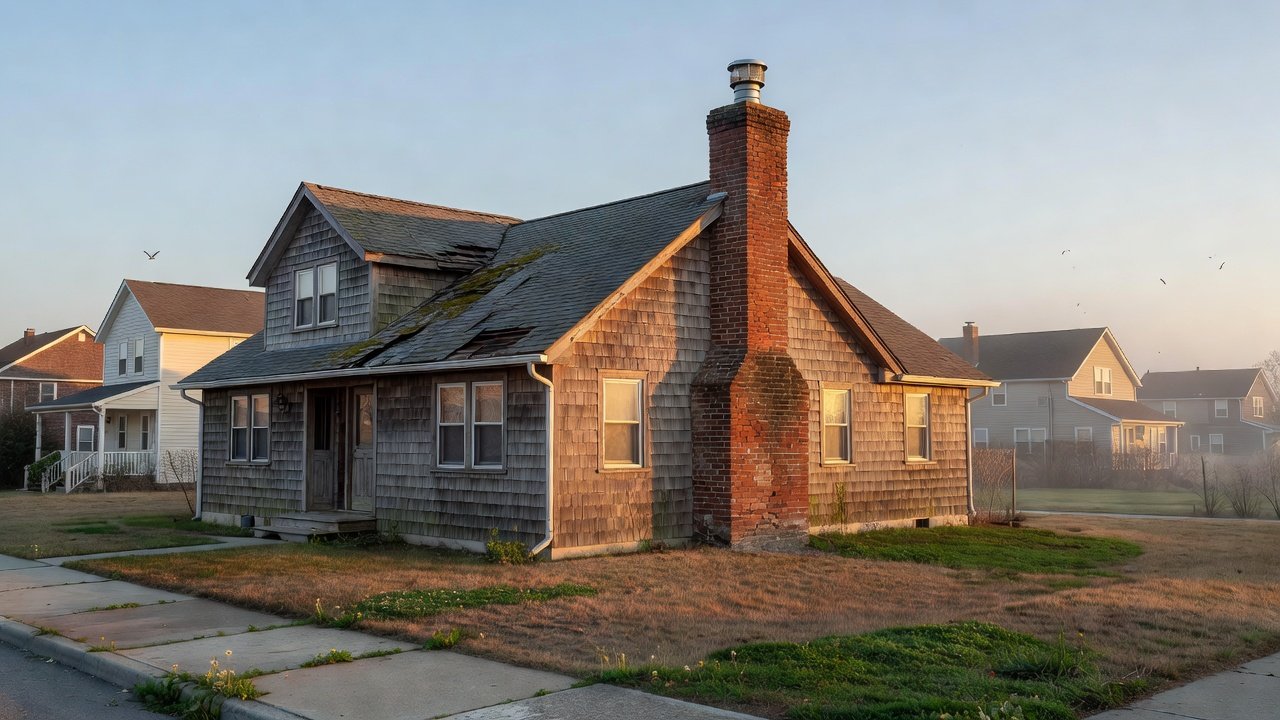


Your Chimney Cap Is Missing or Failing — Here’s What That Looks Like from the Ground
Most homeowners in Far Rockaway and across the Rockaway Peninsula don’t think about their chimney cap until something goes wrong inside the house. By then, water may have already caused significant damage, or a bird may have built a nest just above the firebox. A chimney cap is a small piece of hardware, typically made of galvanized steel, stainless steel, or copper, depending on the budget. However, when it’s missing or failing, the resulting repair bills can run into the thousands. This post explains how to recognize the signs that your cap is missing, damaged, or undersized before you’re dealing with wet insulation or other costly problems.
What a Chimney Cap Actually Does
The cap sits at the top of the chimney and is typically secured to the crown or chimney structure. Its job is straightforward: keep rain, sleet, and wind-driven debris out of an open tile or steel liner, while also keeping animals from nesting in a warm, dark passage that leads directly into your home.
NFPA 211, the standard commonly referenced for chimney and venting systems, includes requirements for chimney termination and spark arrestors. A properly fitted cap with an appropriate screen helps protect the flue from debris, animals, and weather exposure. The CSIA also recommends checking the chimney cap as part of regular chimney inspections because cap damage can contribute to moisture intrusion and other problems.
In Far Rockaway, coastal exposure adds another concern. Properties near the Atlantic deal with salt air, nor’easters, and sustained winds that can accelerate corrosion and wear on metal hardware installed at the roofline. A galvanized cap may deteriorate faster in a coastal environment than it would farther inland, making regular inspection especially important.
Warning Signs That Mean You Need a New Cap
These warning signs can sometimes be identified from the ground, from the attic, or from inside the firebox. Each one deserves attention, although the exact cause should be confirmed by a professional.
Rust staining running down the flue tile or smoke chamber
Open the damper and look upward with a flashlight if the area is safely accessible. Orange-brown streaking on the tile walls can indicate moisture intrusion or corrosion affecting metal components. It isn’t necessarily proof that the cap has failed, but it is a reason to have the chimney evaluated.
Call a professional for an inspection.
Visible daylight around a tilted or partially missing cap
Stand back and look at the chimney top with binoculars rather than climbing onto the roof. If the cap is visibly tilted, the mesh screen has pulled away, or there is clearly no cap in place, the flue is exposed to rain, debris, and animals.
Call a professional for an inspection.
Animal sounds or scratching from the firebox or smoke chamber
Birds, squirrels, and other animals can enter an uncapped or damaged chimney. If you hear movement above the damper, don’t assume the animal will leave on its own. Nesting material can obstruct the flue and create a safety concern.
Call a professional before using the fireplace.
Water in the firebox after rain, even with the damper closed
A closed throat damper is not designed to serve as a waterproof seal. If you find standing water, wet ash, or signs of moisture in the firebox after a storm, the chimney should be inspected for possible water entry through the flue, crown, cap, or flashing.
Call a professional for an inspection.
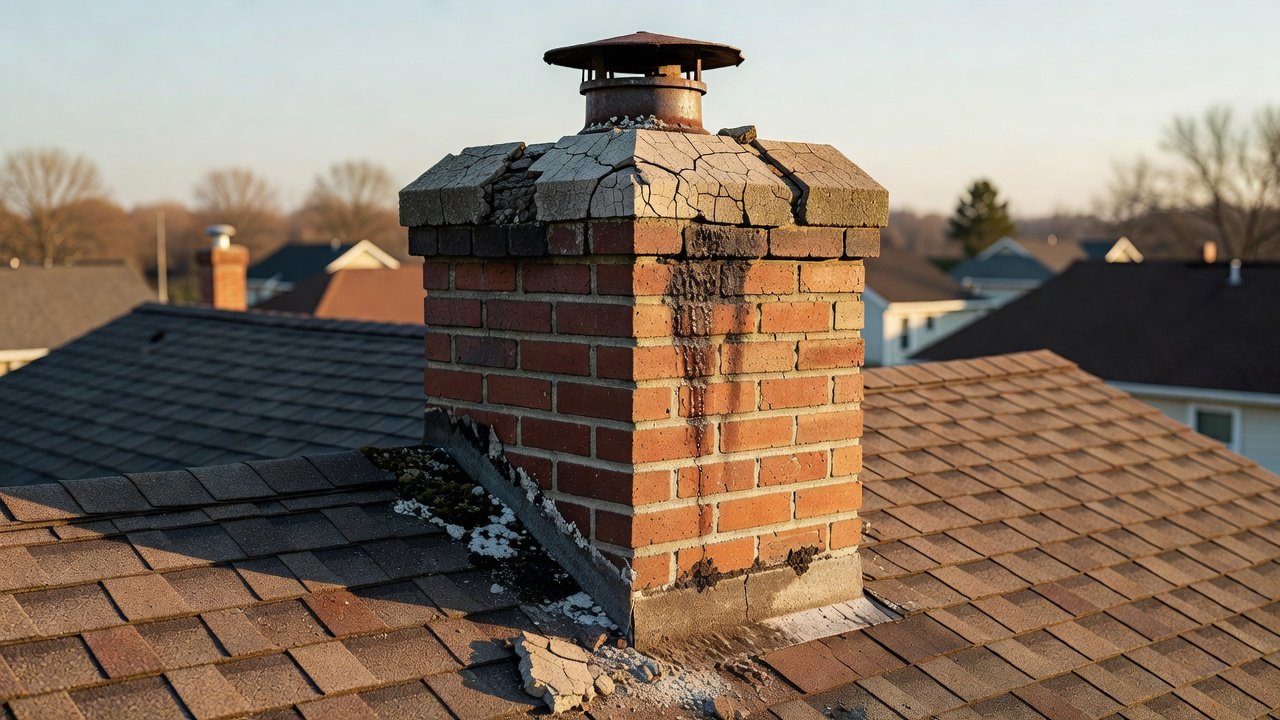
White efflorescence or green algae on the chimney crown or upper courses
Efflorescence is the chalky white mineral deposit that can appear when moisture moves through masonry and evaporates at the surface. Algae can also indicate prolonged moisture exposure. These signs don’t automatically prove that the chimney cap has failed, but they warrant a closer look at the cap, crown, and masonry.
Schedule an inspection if the moisture staining is significant or the masonry appears damaged.
Debris in the firebox, such as leaves, twigs, feathers, or nesting material
If organic debris is appearing inside the firebox, the chimney may have a damaged or missing cap or screen. Nesting material can also obstruct the flue and may present a fire hazard.
Call a professional before using the fireplace.
Mortar crumbling at the chimney crown
The crown helps protect the top of the masonry around the flue. Cracks, missing material, or crumbling mortar can allow water to enter the chimney structure and contribute to further deterioration. Look for loose pieces on the roof or in the gutter below the chimney.
A deteriorated crown should be evaluated before a new cap is installed. Installing a cap on an unstable or severely damaged surface may not solve the underlying moisture problem.
Call a professional if you see significant damage or missing material.
A strong musty or earthy odor when the fireplace is not in use
A musty odor coming from the firebox can be associated with moisture, wet creosote, damp masonry, or decomposing nesting material. It doesn’t automatically mean the chimney termination has failed, but persistent odors deserve investigation.
If the smell persists or becomes stronger after rain or during humid weather, schedule an inspection.
What the Installation Actually Involves
A chimney cap installation in Far Rockaway is more than simply placing a piece of metal over the flue. A technician should first inspect the chimney opening, check the crown for visible damage, and measure the flue and chimney structure to determine the appropriate cap size.
Caps are not universal. A multi-flue cap on a two-story home in the Bayswater neighborhood requires different sizing and installation considerations than a single-flue cap on a bungalow closer to the beach.
If the crown is cracked or significantly deteriorated, that condition should be addressed before the new cap is installed. Otherwise, the cap may be secured to a damaged surface while the underlying water-intrusion problem remains.
Once the appropriate cap has been selected, the technician secures it according to the chimney’s construction and the manufacturer’s requirements. A professional should also check the flashing around the chimney while working at the roofline because cap, crown, and flashing problems can occur at the same time.
A typical cap installation with minor crown repair may cost several hundred dollars in the Queens and South Nassau area. The final price depends on the cap material, chimney configuration, accessibility, and extent of any necessary repairs. Stainless steel caps generally cost more upfront than galvanized models but may be a better long-term choice for homes exposed to coastal conditions.
Frequently Asked Questions About Chimney Caps in Far Rockaway, NY
1. How do I know if my chimney cap needs to be replaced?
A visibly tilted, rusted, damaged, or missing chimney cap is a clear reason to schedule an inspection. Water entering the firebox, animal activity, or debris inside the chimney can also indicate that the cap or protective screen is no longer doing its job.
2. How much does chimney cap replacement cost in Far Rockaway?
The cost depends on the cap material, chimney size, number of flues, roof accessibility, and whether crown repairs are needed. A standard installation with minor repairs can cost several hundred dollars, while custom or higher-end stainless steel or copper caps may cost more.
3. Can a damaged chimney cap cause water damage?
Yes. A missing or deteriorated cap can allow rain, snow, and wind-driven moisture into the flue, where it can contribute to wet masonry, corrosion, and deterioration of chimney components. If moisture is reaching the firebox or surrounding areas, the cap, crown, flashing, and flue should be evaluated.
4. What type of chimney cap is best for a home in Far Rockaway?
Stainless steel is often a practical choice for coastal homes because it offers strong corrosion resistance compared with many galvanized steel options. Copper is another durable option, although it typically has a higher upfront cost.
5. Can I install a chimney cap myself?
Chimney cap installation may appear simple, but proper sizing, secure attachment, and inspection of the crown and chimney structure are important. Because the work involves roof access and the cap protects a critical venting system, having a qualified chimney professional handle the installation can help prevent installation and safety problems.
Get Eyes on It Before Winter
If you’ve noticed two or more of the warning signs above, don’t wait until the first cold night to investigate. A missing or damaged chimney cap can expose the flue to moisture, debris, and animals, while an underlying crown or flashing problem can create additional damage over time.
Ridgewood Chimney serves homeowners across Far Rockaway, the Five Towns, and surrounding areas with chimney inspections following applicable CSIA inspection standards. We’ll assess the cap, crown, and accessible chimney components and explain what needs attention before you use the fireplace.
Call us or use the contact form on ridgewoodchimney.com to schedule your inspection. No pressure, just a clear assessment of what’s happening at the top of your chimney.
Related from Far Rockaway Chimney: Chimney Repair in Far Rockaway, NY – Restore Safety & Structural I · Chimney Sweep Services in Far Rockaway, NY