

Chimney Crown Repair in Far Rockaway, NY: What’s Actually Going Wrong and How It Gets Fixed
Your chimney crown is the first line of defense against water entering your chimney system, yet it’s also one of the most overlooked components.
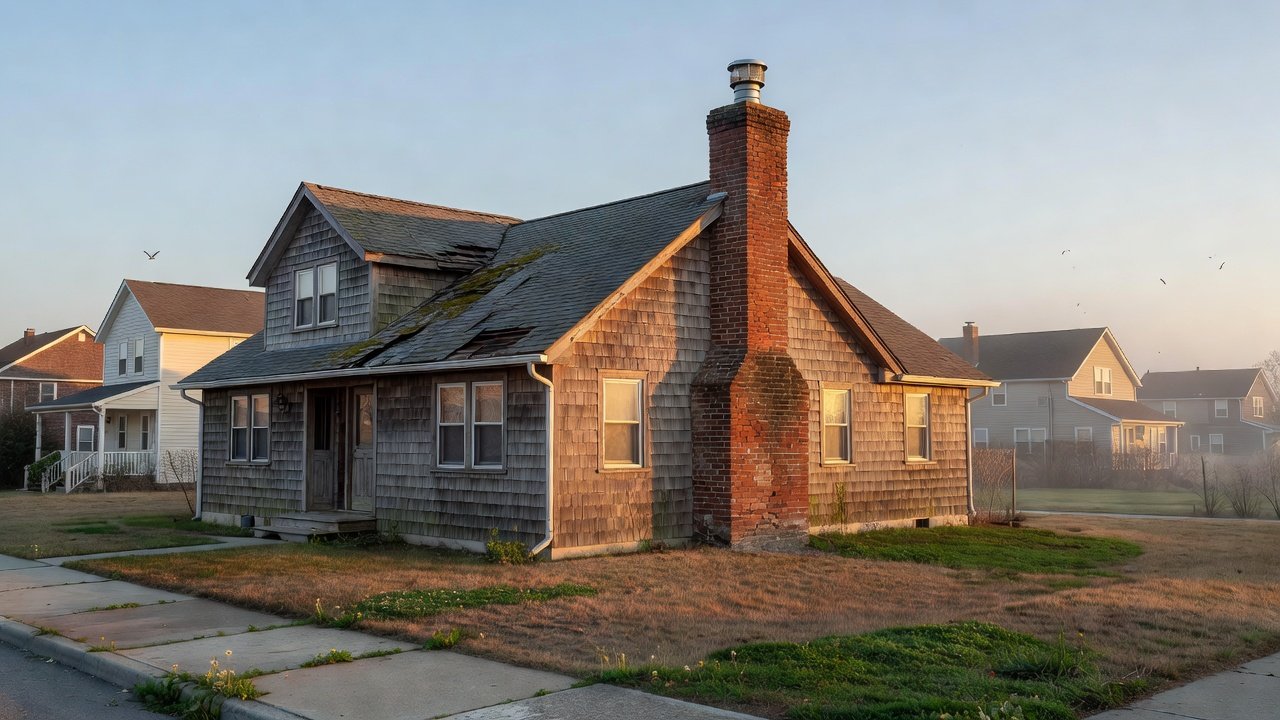
In Far Rockaway, chimney crowns face constant exposure to coastal weather. Salt air from Jamaica Bay, heavy rain, winter freeze-thaw cycles, and strong nor’easters all work together to shorten the lifespan of masonry. Small cracks that might remain harmless elsewhere can quickly become serious problems along the Queens shoreline.
The good news is that most chimney crown damage can be repaired before it leads to major structural issues provided it’s diagnosed correctly.
Here’s what homeowners should know about common chimney crown problems, how professionals identify them, and what the proper repair actually involves.
What Is a Chimney Crown?
The chimney crown is the concrete or cement surface that covers the top of a masonry chimney while allowing the flue liner to extend through it.
Its purpose is simple:
- Direct rainwater away from the chimney
- Protect masonry below from water infiltration
- Prevent moisture from entering around the flue liner
According to NFPA 211, chimney crowns should be constructed using durable Portland cement-based materials and designed with sufficient slope, so water drains away from the chimney.
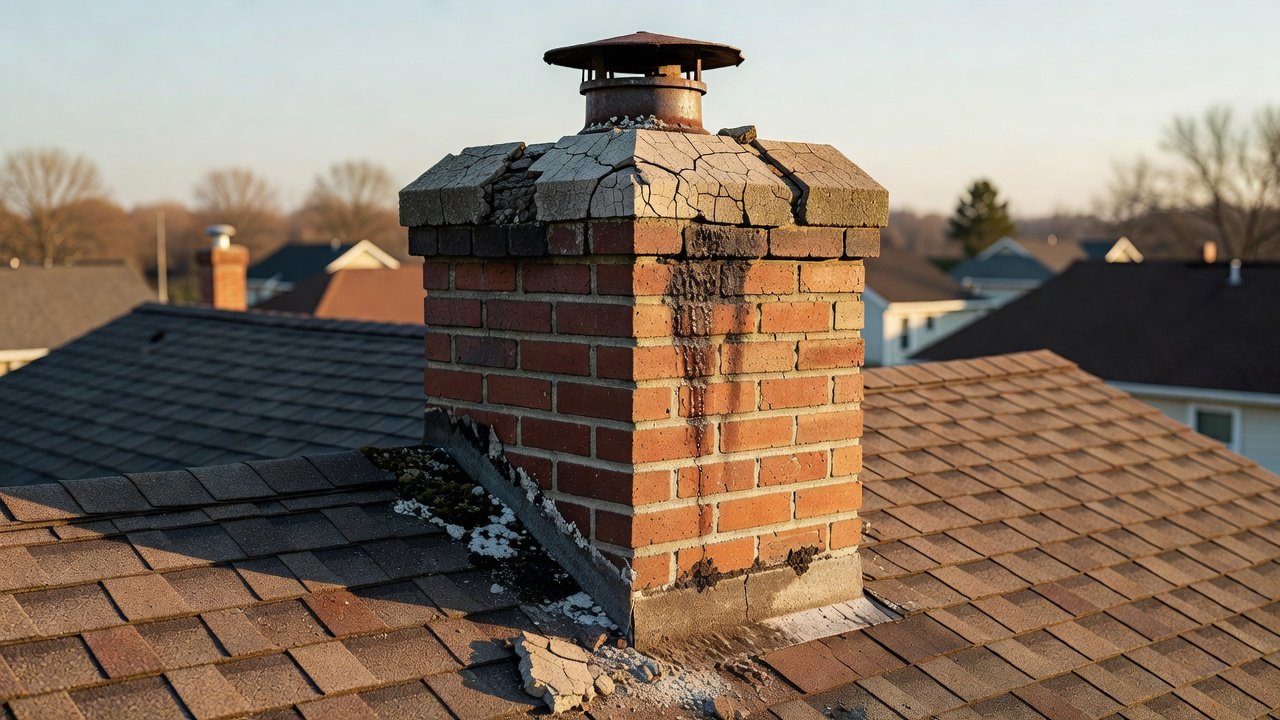
Many older homes throughout Far Rockaway still have crowns-built decades ago using standard mortar instead of properly reinforced concrete. Those crowns often absorb moisture, crack, and deteriorate much sooner than modern construction methods allow.
Once water enters through the crown, homeowners may begin noticing:
- Water stains on ceilings
- Efflorescence (white staining) on exterior brick
- Spalling masonry
- Musty odors inside the fireplace
- Rusting dampers or fireplace components
The crown itself may still appear perfectly normal from ground level.
Problem 1: Hairline Cracks That Continue to Grow
Common Signs
- Small cracks across the crown surface
- Minor chips along the edges
- No obvious leaks yet
What’s Really Happening
Seasonal expansion and contraction constantly stress chimney crowns. In coastal areas like Far Rockaway, moisture enters even tiny surface cracks. During winter, that trapped water freezes, expands, and slowly widens the crack. What appears to be cosmetic damage today can become structural damage after several freeze-thaw cycles.
Professional Repair
Minor cracks can often be repaired using a high-quality elastomeric crown coating specifically designed to remain flexible during temperature changes.
If cracking extends through the full thickness of the crown or moisture has already reached the flue area, partial or complete crown replacement is typically recommended.
Can It Be Prevented?
Yes. Routine inspections and periodic waterproof sealing can significantly extend the life of the crown.
Problem 2: The Crown Was Built Incorrectly
Common Signs
- Water entering the fireplace
- Exterior staining below the chimney top
- Crown appears flat instead of sloped
What’s Really Happening
Many older chimney crowns were constructed using standard mortar and without proper overhang or drainage. Instead of directing water away from the chimney, they allow moisture to run directly down the brickwork. This gradually saturates the masonry and accelerates deterioration.
Professional Repair
When the crown design itself is incorrect, replacement is usually the only long-term solution.
A properly rebuilt chimney crown should include:
- Positive drainage slope
- Approximately two inches of overhang
- Proper drip edge
- Reinforced Portland cement construction
Many professionals also install additional waterproof protection beneath the crown for coastal homes.
Problem 3: Separation Around the Flue Liner
Common Signs
- Fireplace odors during warm weather
- Draft problems
- Smoke entering the room
What’s Really Happening
The joint where the chimney crown meets the flue liner must remain sealed.
When the crown shifts or cracks, that seal often separates, allowing water and potentially combustion gases to enter the chimney structure.
A Level 2 inspection, as defined by NFPA 211, typically includes camera equipment to inspect this connection thoroughly.
Professional Repair
Depending on the findings, repairs may include:
- Re-sealing the liner connection using refractory mortar
- HeatShield restoration systems
- Stainless steel chimney liner installation if the existing liner has deteriorated
Repairing only the crown without inspecting the liner often leaves the underlying problem unresolved.
Problem 4: DIY Repairs Using the Wrong Materials
Common Signs
- Multiple patches on the crown
- Cracks returning after only a year or two
- Roofing tar or hydraulic cement covering previous repairs
What’s Really Happening
Many homeowners attempt repairs using products never intended for chimney crowns. Standard mortar, roofing tar, and general-purpose patch compounds lack the flexibility needed to withstand continual expansion and contraction. They frequently fail within a few seasons while trapping moisture beneath the surface.
Professional Repair
The previous repair material must usually be removed completely before determining whether the existing crown can still be saved.
Depending on its condition, professionals may apply:
- Elastomeric crown coating
- Portland cement reconstruction
- Complete crown replacement
Repeated patch jobs often make replacement the better long-term investment.
Problem 5: Mistaking Crown Damage for Flashing Problems
Common Signs
- Ceiling leaks near the chimney
- Flashing has already been replaced
- Water intrusion continues
What’s Really Happening
Both flashing failures and chimney crown failures can produce nearly identical water stains inside the home. Without a systematic inspection, contractors sometimes repair the flashing while overlooking the damaged crown. Professional chimney inspections isolate the leak source through visual examination and controlled water testing before recommending repairs.
Professional Repair
Once the crown is confirmed as the leak source, repairs focus only on the damaged components rather than replacing flashing unnecessarily. Accurate diagnosis often saves homeowners from paying for repairs they never actually needed.
What Does Chimney Crown Repair Cost?
Typical costs in the Far Rockaway area include:
- Crown sealing: approximately $150–$350
- Minor crown repairs: approximately $250–$500
- Complete chimney crown replacement: approximately $500–$950
- Complex projects with difficult roof access: $1,200+
If chimney liner repairs are also necessary, they are generally quoted separately. Extremely low estimates often indicate shortcuts in materials or workmanship.
Why Early Repairs Save Money
Water is responsible for most masonry deterioration. Repairing a small crack today is significantly less expensive than rebuilding damaged brickwork, replacing flue liners, or repairing interior water damage later.
Annual inspections frequently identify chimney crown issues before homeowners notice any visible symptoms inside the home.
Schedule a Professional Chimney Crown Inspection
If you’ve noticed cracks, water stains, musty odors, or signs of moisture around your chimney, the first step is an accurate inspection.
Ridgewood Chimney proudly serves homeowners throughout Far Rockaway, Queens, and neighboring Nassau County communities with comprehensive chimney inspections, chimney crown repairs, and masonry restoration.
Our CSIA-certified technicians inspect the chimney from the roof, evaluate the crown, examine the flue using camera equipment when appropriate, and provide clear recommendations with written estimates so you’ll know exactly what needs attention and what doesn’t.
Contact Ridgewood Chimney today to schedule your free chimney inspection consultation before minor crown damage becomes a much larger repair.
Related from Far Rockaway Chimney: Chimney Repair in Far Rockaway, NY – Restore Safety & Structural I · Chimney Repair in Far Rockaway