

Your Chimney Is Telling You Something: Are You Listening?
Most homeowners in Far Rockaway do not think about their chimney until something goes wrong. The chimney sits out of sight on the roof, the fireplace looks fine from the living room, and daily life gets busy.
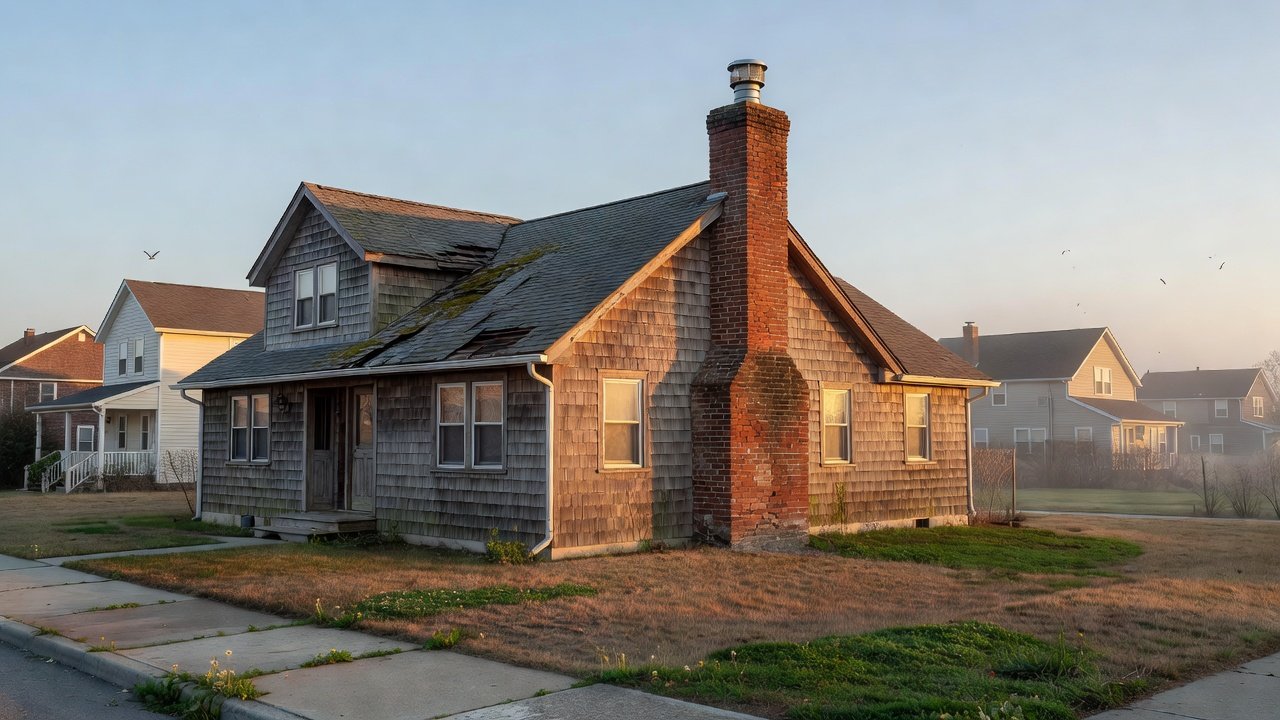
But chimneys in this part of Queens face regular exposure to moisture, wind, salt air, and winter temperature changes. Over time, these conditions can contribute to masonry deterioration, water intrusion, and other chimney problems.
The key is recognizing the early warning signs. Knowing what to look for can help you address a problem before it becomes a larger repair. It is also important to choose a qualified chimney professional who can explain what they find without pressuring you into unnecessary work.
Warning Signs That Mean Your Chimney Needs Attention
Regular chimney inspections are recommended by professional chimney safety organizations. However, a calendar reminder should not be your only reason to have the system evaluated.
If you notice any of the following signs, consider scheduling a professional inspection.
White Staining on the Exterior Brickwork
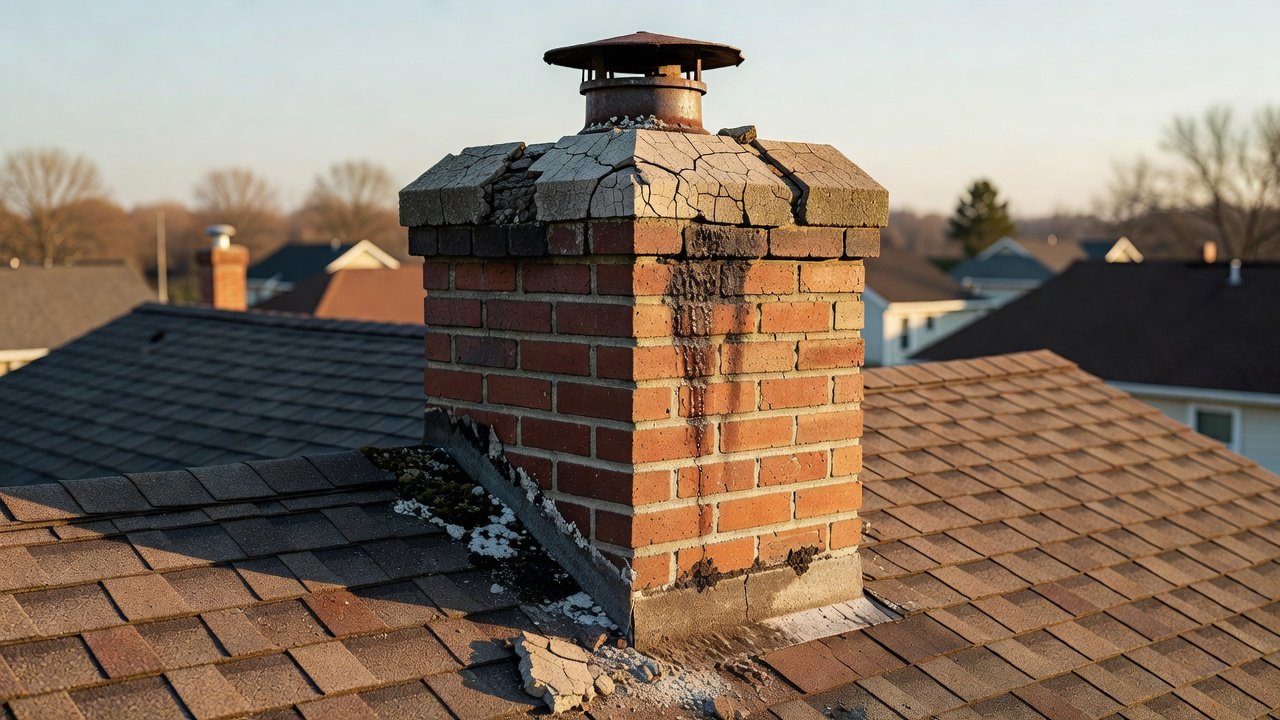
That chalky white residue on masonry is known as efflorescence. It occurs when water moves through masonry and leaves mineral deposits behind as it evaporates.
Efflorescence does not necessarily mean the flue is blocked, but it can indicate that moisture is moving through the chimney structure.
In a coastal community such as Far Rockaway, repeated moisture exposure can contribute to masonry deterioration over time.
The important step is finding the source of the water rather than simply washing away the visible stain.
A Persistent Smoky Smell Inside the House
A strong smoky or creosote-like odor when the fireplace is not operating may indicate buildup or another chimney issue.
Odors can have several possible causes, so they should not automatically be treated as proof of excessive creosote.
If you notice a persistent odor, especially alongside other symptoms, have the chimney evaluated before using the fireplace again.
Smoke Backing Into the Room
A small amount of smoke during the initial startup of a fire can occur as the chimney warms up. Persistent smoke entering the living space is different.
Possible causes include poor draft, a partial obstruction, excessive buildup, or a damper that is not opening properly.
If smoke repeatedly enters the room, stop using the fireplace and have the system inspected before continuing to burn fires.
Black or Oily Residue Around the Fireplace
Dark, sticky, or tar-like deposits can indicate more advanced creosote buildup.
The appearance of creosote can vary depending on how it formed and how long it has been accumulating. Heavy or hardened deposits may require specialized cleaning methods.
Do not try to scrape significant glazed deposits out yourself. A qualified chimney professional can determine the appropriate cleaning method.
Debris in the Firebox
Twigs, leaves, feathers, or other debris inside the firebox may indicate that animals have entered the chimney.
A missing, damaged, or improperly fitted chimney cap can make the flue more vulnerable to animal intrusion.
If you discover nesting material, avoid using the fireplace until the chimney has been evaluated. Active wildlife may also be protected under applicable regulations, so removal should be handled appropriately.
A Rattling or Stuck Damper
A fireplace damper should operate smoothly.
Resistance, grinding, or a damper that will not open or close properly can indicate corrosion, heat-related damage, debris, or a mechanical problem.
A damper that does not open correctly can interfere with fireplace draft. A professional can determine whether the component needs cleaning, adjustment, repair, or replacement.
Crumbling Mortar Between the Bricks
Deteriorated mortar joints can allow water to penetrate the masonry.
You do not need to climb onto the roof to look for obvious exterior problems. From the ground, binoculars can sometimes help you identify missing mortar, cracks, or visibly deteriorated masonry.
Do not attempt to repair chimney masonry from the roof unless you have the appropriate training and equipment. A professional can determine whether repointing, crown repair, or another type of masonry work is needed.
Orange or Brown Rust Staining
Rust-colored streaks can indicate corrosion involving metal components around the chimney or fireplace system.
Rust staining does not identify the exact source by itself. Water may be entering through the chimney cap, crown, flashing, or another location.
If rust staining appears alongside water damage, smoke problems, or other symptoms, schedule an inspection to determine the source.
How to Find a Chimney Contractor You Can Trust
Far Rockaway homeowners may encounter chimney companies serving Queens, Long Island, and the greater New York metropolitan area.
The company you choose should be willing to explain its credentials, insurance, inspection process, and pricing before work begins.
Check for CSIA Certification
The Chimney Safety Institute of America (CSIA) offers certification for chimney professionals who meet its requirements.
Ask whether the technician who will perform the work is certified. You can also verify credentials through the organization’s online directory.
Ask About NFI Certification
If you have a gas fireplace, pellet stove, or wood-burning stove, ask whether the technician has relevant hearth-appliance training.
NFI certification can be another useful credential to consider when comparing professionals who work with these systems.
Verify New York City Requirements
Because Far Rockaway is part of New York City, homeowners should ask contractors about the licensing or registration requirements that apply to the specific work being performed.
Requirements can differ depending on whether the job involves cleaning, inspection, masonry work, roofing-related work, or other construction.
If you are unsure whether a contractor is properly authorized for a particular repair, verify the applicable requirements before work begins.
Ask for Proof of Insurance
Ask whether the company carries appropriate general liability and workers’ compensation coverage.
Do not rely only on a verbal assurance. If insurance is important to you, ask for documentation.
Watch for Red Flags
Be cautious about companies that:
- Quote an unusually low price without explaining what is included
- Immediately recommend expensive repairs without documenting the problem
- Pressure you to approve repairs during the first visit
- Refuse to provide credentials or insurance information
- Do not provide a written estimate for significant repair work
- Leave soot or debris throughout the living space without taking reasonable protective measures
A second opinion can be useful when a contractor recommends major or expensive repairs.
What Should a Chimney Inspection Cost?
Pricing varies based on the chimney, inspection level, accessibility, and services included.
A standard chimney cleaning and Level 1 inspection in the New York metropolitan area may commonly fall around $150 to $250.
A more extensive Level 2 inspection that includes a video examination of the flue can cost approximately $300 to $500, depending on the system and scope of work.
These are general estimates rather than fixed prices. Ask for a complete explanation of what is included before comparing quotes.
If a quote is significantly lower than other estimates, ask what services may be excluded. If it is significantly higher, ask what additional work or inspection is included.
Get Your Chimney Checked Before the Heating Season
The easiest time to deal with a chimney problem is before you need the fireplace regularly.
If you notice water staining, deteriorating masonry, unusual odors, smoke entering the room, animal debris, or problems with the damper, do not ignore the signs.
Ridgewood Chimney serves homeowners across the greater New York metropolitan area, including Far Rockaway. Our technicians are CSIA-certified and provide written estimates for recommended work.
If you want to know what is actually happening inside your chimney, schedule an inspection before the heating season.
A clear assessment can help you understand what needs attention, what can wait, and what should be addressed before you use the fireplace again.
Related from Far Rockaway Chimney: Chimney Repair in Far Rockaway, NY – Restore Safety & Structural I