

What Far Rockaway Homeowners Get Wrong About Chimney Sweeping and Why Fall Is Already Too Late
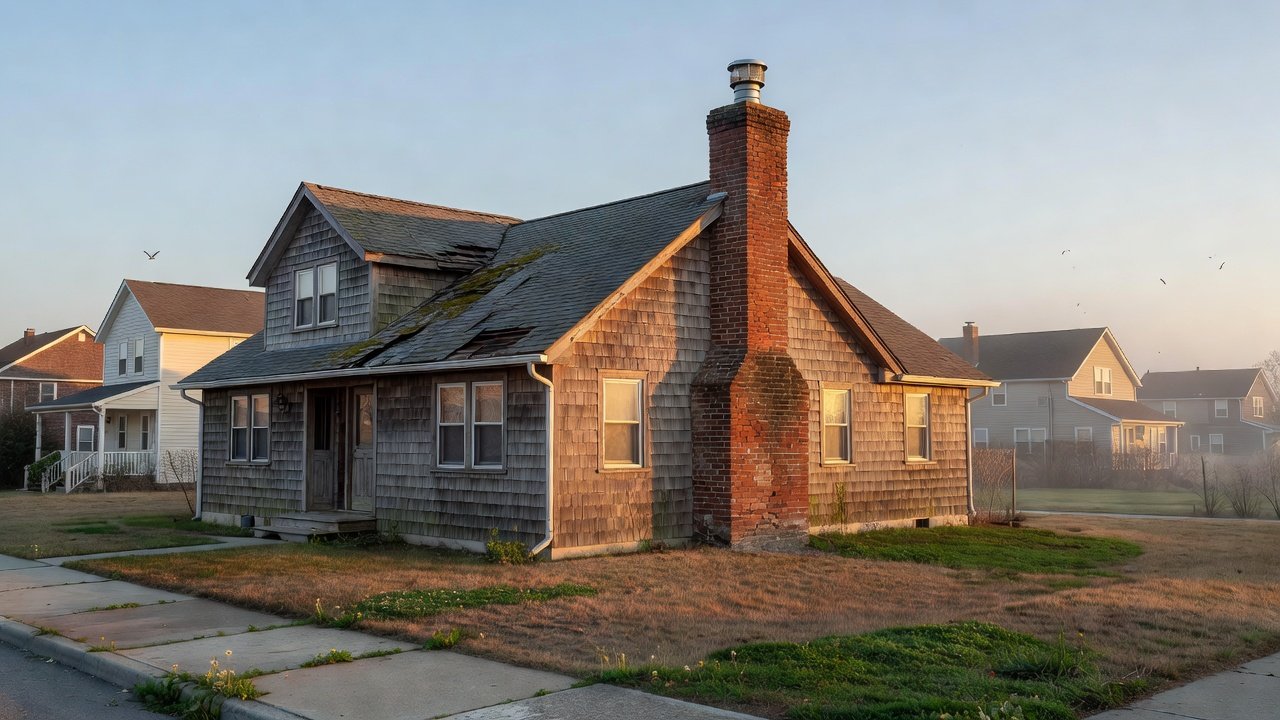
Salt air, moisture, and soot can be a difficult combination for chimney systems. Homes in Far Rockaway and Rockaway Beach are exposed to coastal weather throughout the year, while fireplaces and wood-burning appliances can accumulate soot and creosote during the heating season. Many homeowners do not think about chimney maintenance until fall, when they are preparing to use the fireplace again. By then, scheduling can be more difficult, especially if the inspection reveals a repair that needs to be completed before the heating season. Here are some of the most common misconceptions about chimney sweeping and what homeowners should know instead.
“I Don’t Use the Fireplace Much, So I Don’t Need a Sweep”
Limited fireplace use does not automatically mean a chimney can be ignored. Wood combustion produces soot and creosote, and the amount that accumulates depends on factors such as the type and moisture content of the wood, burning practices, and how efficiently the appliance drafts.
A fireplace that is used only occasionally can also develop other problems while sitting unused. Birds, animals, leaves, and other debris can enter through a missing or damaged chimney cap.
The Chimney Safety Institute of America recommends annual chimney inspections for systems in use. Cleaning should be performed when deposits warrant it. Even if you only use your fireplace a few times each season, an inspection can identify problems that are not visible from the firebox.
“Spring Cleaning Can Wait Until Fall”
Fall is when many homeowners remember their chimneys. It is also when chimney companies can become busiest.
Scheduling an inspection and cleaning in spring or early summer gives you more time to address problems discovered during the visit. If the technician finds a damaged chimney cap, deteriorated mortar, a cracked liner, or another repair issue, you have several months to arrange the work before temperatures drop.
Spring is also a practical time to evaluate the chimney after the winter season. Freeze-thaw cycles, wind, rain, and coastal exposure can contribute to masonry deterioration.
There is no reason to wait until October if your chimney has not been inspected. If fall has already arrived, however, do not postpone necessary maintenance simply because appointments are harder to find. An overdue inspection is still better than continuing to use an uninspected system.
“A Chimney Sweep Is Just Someone With a Brush”
Modern chimney sweeping involves more than running a brush through a flue.
A professional visit may include an assessment of the firebox, damper, accessible flue components, chimney cap, crown, flashing, and exterior masonry. The appropriate inspection level depends on the history and condition of the system.
A Level 1 inspection is generally used when the chimney and appliance have not undergone significant changes and there are no known hazards requiring a more extensive inspection. A Level 2 inspection is more comprehensive and includes video scanning of the flue.
A Level 3 inspection may be recommended when a suspected hazard cannot be evaluated without accessing concealed areas of the chimney or building.
A qualified technician should explain which inspection level is appropriate rather than treating every appointment as identical.
“If the Smoke Clears, the Chimney Is Fine”
Good draft does not prove that every part of a chimney is in good condition.
A chimney can appear to operate normally while still having a damaged liner, excessive creosote, deteriorated masonry, or another hidden problem. Some issues cannot be identified from the fireplace opening alone.
This is also why carbon monoxide protection matters. Fuel-burning appliances can produce carbon monoxide, and a properly functioning chimney and venting system are important parts of safely removing combustion gases from the home.
If smoke repeatedly enters the living space, do not continue experimenting with the fireplace. Stop using it and have the system evaluated.
A carbon monoxide detector is also an important safety measure in homes with fuel-burning appliances, but a detector does not replace regular chimney inspection and maintenance.
“I Can Tell If My Chimney Needs Attention by Looking at the Top”
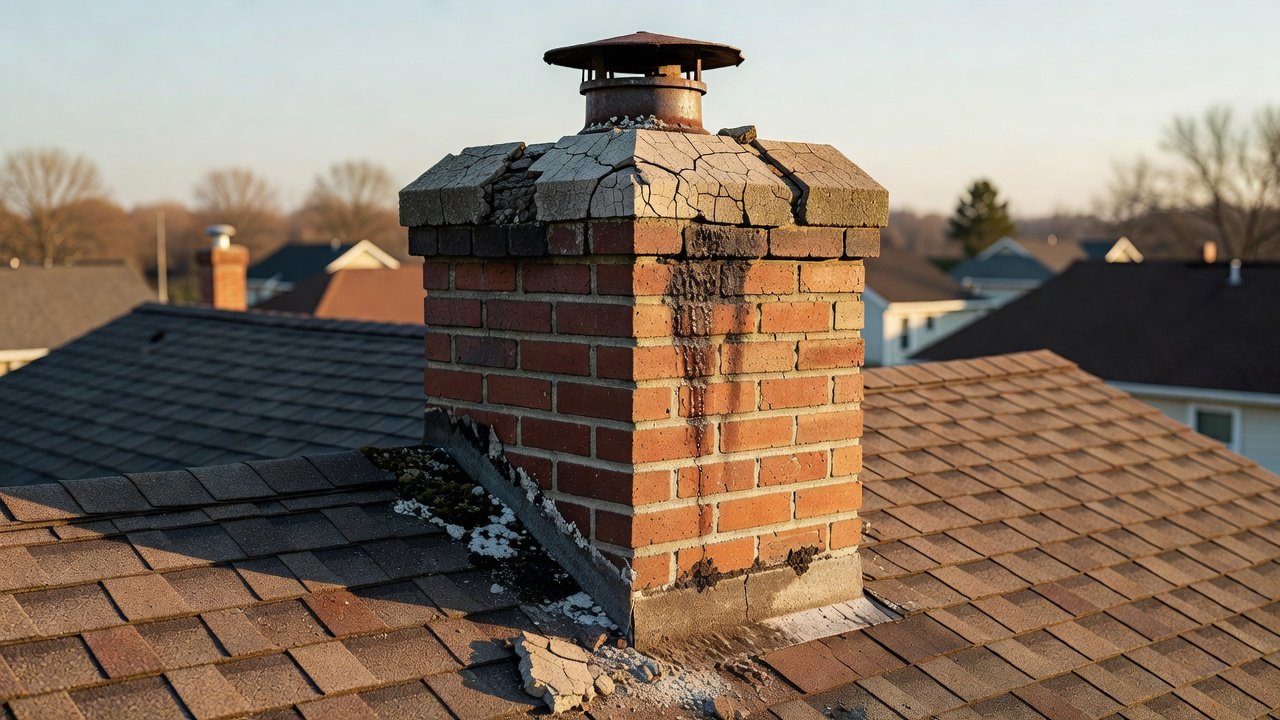
A ground-level inspection can reveal obvious problems. You may notice a missing cap, loose bricks, visible cracks, or a chimney crown that appears damaged.
However, many important conditions are hidden from view. You cannot reliably assess the entire flue liner, smoke chamber, or interior creosote deposits from the ground.
A camera inspection may be necessary when a closer examination of the flue is warranted. This is particularly useful for older chimney systems where the condition of the liner is uncertain.
Homeowners can safely monitor visible exterior conditions, but significant damage should be evaluated by a qualified chimney professional.
Coastal Weather Makes Regular Maintenance Important
Far Rockaway and Rockaway Beach chimneys are exposed to rain, wind, humidity, and coastal conditions. That exposure does not automatically mean every chimney will deteriorate faster, but moisture remains one of the primary concerns for masonry chimney systems.
Water can enter through damaged chimney caps, crowns, flashing, mortar joints, or other openings. Once moisture gets into masonry, repeated temperature changes can contribute to cracking, spalling, and deterioration.
Keeping the chimney cap and crown in good condition is an important part of preventing water-related damage. Annual inspection provides an opportunity to identify these problems before they become larger repairs.
What Does Chimney Sweeping Cost?
The cost of chimney sweeping varies according to the type of appliance, chimney height, accessibility, amount of buildup, and condition of the system.
A standard cleaning and basic inspection for a single residential fireplace may fall in the range of approximately $150 to $300, but homeowners should request a specific quote based on their chimney rather than relying on a flat advertised price.
More extensive services, including Level 2 video inspections, heavy creosote removal, masonry repairs, chimney cap replacement, or liner work, are typically priced separately.
Before approving additional work, ask the technician to explain what was found, show you the evidence when possible, and provide a written estimate for recommended repairs.
The Right Time Is Before You Need the Fireplace
The best time to schedule chimney maintenance is before you plan to use the fireplace heavily. For many Far Rockaway and Rockaway Beach homeowners, spring through early fall provides enough time to inspect the system and complete any necessary repairs.
If you have not had your chimney inspected recently, do not wait for smoke, odors, or other warning signs to appear. A professional inspection can identify conditions that are difficult to see from inside the home.
Ridgewood Chimney serves Far Rockaway, Rockaway Beach, and surrounding communities with chimney inspection and cleaning services. Contact us to schedule an inspection and find out what your chimney actually needs before the next heating season.
Related from Far Rockaway Chimney: Chimney Repair in Far Rockaway, NY – Restore Safety & Structural I