
Published November 6, 2026
Chimney Cap Installation in Far Rockaway, NY: What Homeowners Get Wrong
A chimney cap may look like a small metal cover, but it plays an important role in protecting a chimney. It helps keep rain, snow, animals, and debris out of the flue. Depending on its design, it may also help reduce wind-related downdrafts and keep sparks from escaping.
However, not every cap fits every chimney. Choosing the wrong size or installation method can create problems instead of solving them. Here are common mistakes Far Rockaway homeowners should understand before replacing or installing a chimney cap.
“Any Chimney Cap from the Hardware Store Will Work”
Chimney caps are available in different sizes, materials, and designs. A cap that looks suitable may not fit the flue correctly or may be incompatible with the existing chimney system.
Before selecting a replacement, a contractor should identify the flue type, measure the opening, and check the condition of the surrounding masonry. The installation requirements may differ for a masonry chimney, a metal chimney, or a factory-built fireplace system.
Compatibility is especially important for factory-built systems. Replacement components and accessories should be approved for use with the specific fireplace or chimney model when listed components are available. Using an incompatible accessory may affect the system’s listing and safe operation.
NFPA 211 addresses chimney construction, installation, maintenance, and inspection. The appropriate cap should be selected and installed according to applicable requirements and the manufacturer’s instructions.
“Installation Is Just Setting the Cap in Place”
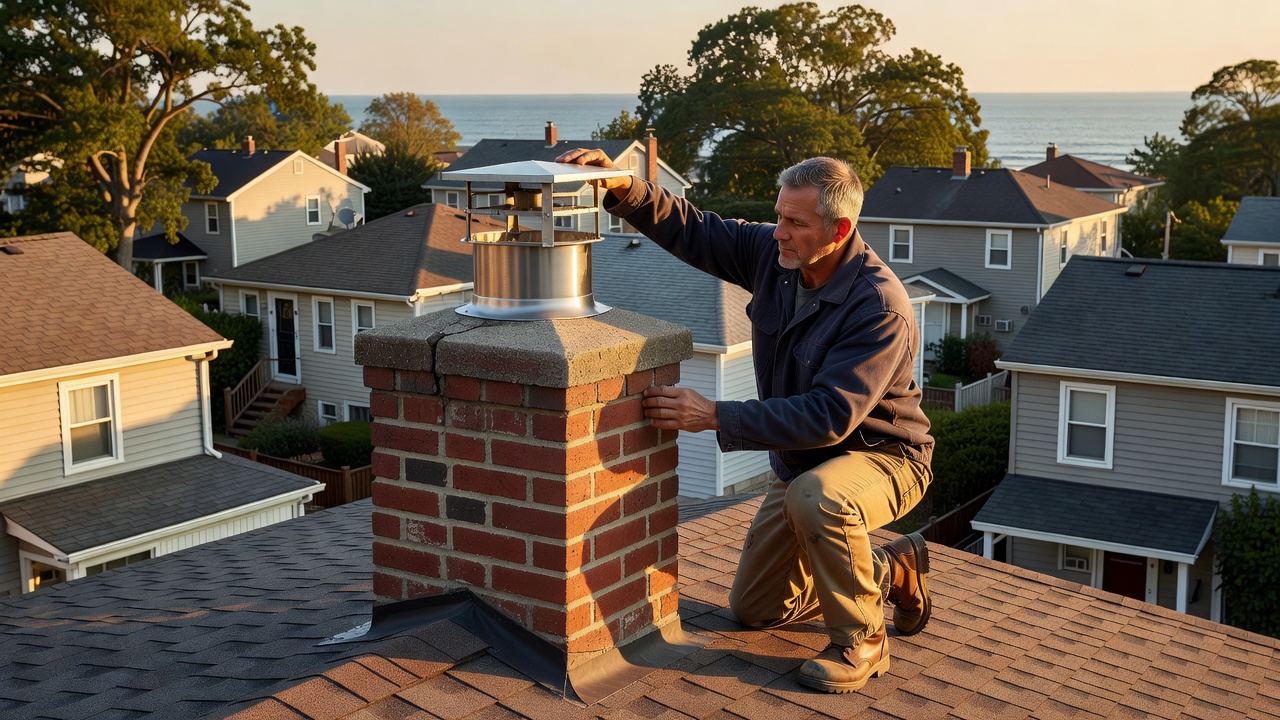
A chimney cap needs to be secured using the method specified for its design. Depending on the model and flue configuration, installation may involve clamps, mechanical fasteners, or another approved attachment method.
A loose or improperly fitted cap may shift during strong winds or deteriorate over time. Incorrect fastening can also damage the flue tile or surrounding masonry.
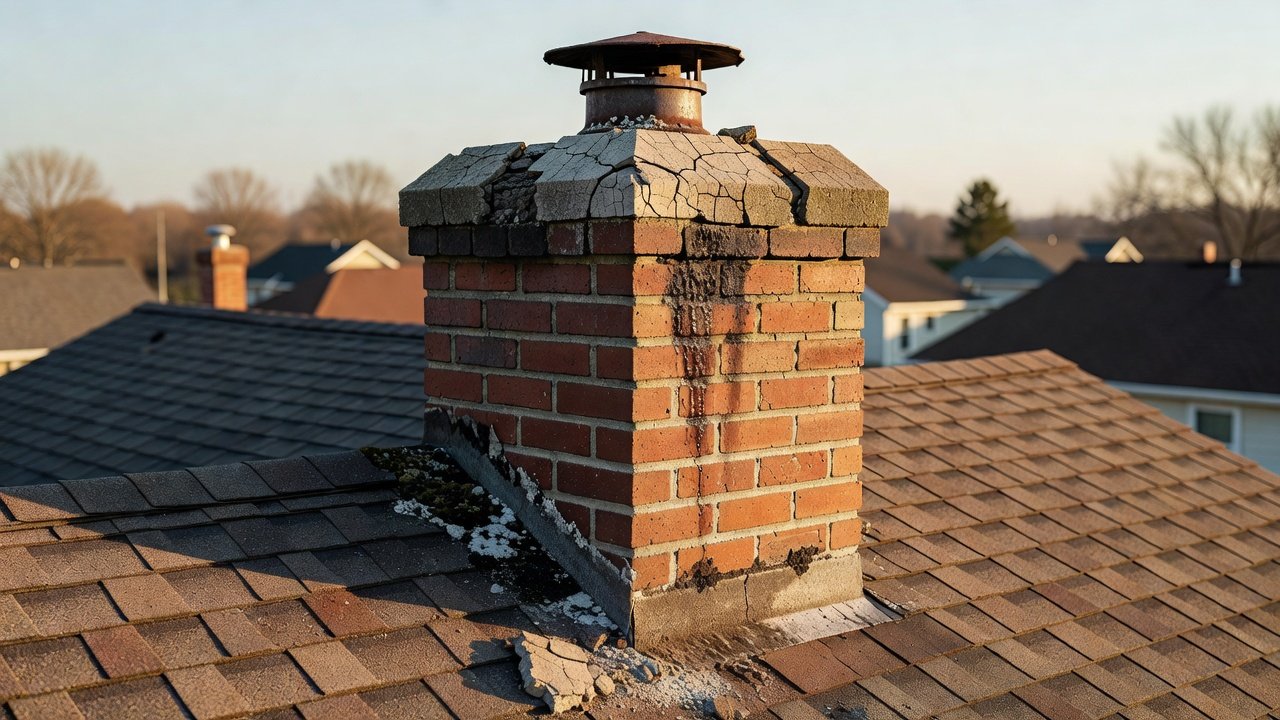
The condition of the chimney top matters too. A cracked or deteriorating crown may need repair before a new cap is installed. A cap can help limit direct water entry, but it cannot restore damaged masonry or correct an existing moisture problem.
A professional should check the flue opening, attachment points, crown, and surrounding masonry before completing the installation.
“A Chimney Cap Is Only for Keeping Animals Out”
Keeping birds and other animals out is one important function of a chimney cap, but it is not the only one.
A properly selected cap can provide several benefits:
-
Rain and snow protection: The cover helps limit direct precipitation entering the flue.
-
Animal exclusion: Suitable screening helps prevent birds and other animals from entering the chimney.
-
Debris protection: A cap can help keep leaves, twigs, and other debris out of the flue.
-
Spark protection: Certain designs include spark-arresting features where appropriate.
-
Downdraft reduction: Some cap designs can help reduce wind-related downdrafts under certain conditions.
A cap does not guarantee proper draft or prevent carbon monoxide exposure. Venting problems can have several causes, including obstructions, damaged liners, appliance issues, and inadequate airflow. If smoke enters the living space or a carbon monoxide alarm sound, stop using the appliance and follow appropriate safety procedures.
The Chimney Safety Institute of America explains that rain entering an uncapped chimney can contribute to moisture damage. Water can affect mortar joints, brickwork, and metal components inside the fireplace. A suitable cap is one part of protecting the chimney from water intrusion.
“You Can Tell Whether a Cap Needs Replacing Just by Looking at It”
Some cap problems are visible from the ground. Rusted metal, missing screening, a visibly tilted cover, or a missing cap may indicate that attention is needed.
However, a ground-level view cannot confirm that the cap is securely attached or that the screen is free of buildup. Corroded fasteners, hidden damage, and debris accumulation may require closer examination.
A chimney inspection can help evaluate accessible parts of the chimney, including the cap and exterior components when they can be safely examined. The inspection level and scope depend on the chimney’s condition and the reason for the visit.
Homeowners should avoid climbing onto the roof to check or repair a cap. A qualified professional can assess the installation and identify whether the cap, crown, or another chimney component needs attention.
“DIY Installation Always Saves Money”
Some chimney caps are designed for straightforward installation, but that does not mean every homeowner should attempt the work. The correct cap must be selected for the flue, and the attachment method must suit the chimney construction.
Roof access adds another concern. Working near roof edges, on steep slopes, or around deteriorated masonry can create serious fall and injury risks.
A professional can evaluate the chimney top, confirm compatibility, and install the cap according to the manufacturer’s instructions. This is particularly important for factory-built systems and chimneys with unusual flue configurations.
If you want to check your cap’s condition, use binoculars from the ground. Look for visible rust, missing screening, or a cover that appears displaced. Leave roof-level inspection and installation to qualified professionals.
What Should You Ask Before Hiring a Chimney Cap Installer?
Before scheduling chimney cap installation in Far Rockaway, ask the contractor a few practical questions:
-
What type of cap does my chimney need? The contractor should explain how the cap matches the flue opening and chimney construction.
-
Will you check the crown and surrounding masonry? A damaged crown may need attention before the cap is installed.
-
How will the cap be secured? Ask which attachment method is appropriate for the specific cap and flue.
-
Are you insured? Confirm that the company carries appropriate liability insurance and workers’ compensation coverage.
-
Will I receive documentation? Ask whether the contractor can provide photographs, a written description of the work, and details about the installed cap.
-
What warranty applies? Request the manufacturer’s written warranty and ask whether separate workmanship coverage is provided.
CSIA certification is another credential worth checking. It can demonstrate that a technician has passed the organization’s certification examination, but it does not replace verifying insurance, experience, and the suitability of the proposed installation.
Schedule Chimney Cap Installation in Far Rockaway, NY
A properly selected and installed chimney cap helps protect the flue from rain, animals, and debris. It can also help reduce certain wind-related problems when the design is suitable for the chimney.
If your current cap is missing, rusted, loose, or damaged, have the chimney top evaluated before choosing a replacement. The contractor should check the flue opening and surrounding crown to determine whether cap installation alone is sufficient.
Ridgewood Chimney is listed in this article as serving homeowners in the Far Rockaway area. Contact the company to confirm service availability, discuss your chimney’s configuration, and request an estimate.
Contact Ridgewood Chimney to ask about chimney cap installation in Far Rockaway, NY.
Serving your area: For related services in nearby communities, see Deer Park Chimney NY and Vineland Chimney.
Related from Far Rockaway Chimney: Chimney Repair in Far Rockaway, NY – Restore Safety & Structural I · Chimney Sweep Services in Far Rockaway, NY