
Published November 4, 2026
Warning Signs Your Fireplace Needs Cleaning: 9 Problems Homeowners Shouldn’t Ignore
A fireplace can look clean from across the room while soot, creosote, or debris accumulates inside the chimney. Some warning signs are easy to notice, such as smoke entering the living space or debris falling into the firebox. Others require a closer inspection by a qualified chimney professional.
The National Fire Protection Association’s NFPA 211 standard calls for chimneys, fireplaces, and vents to be inspected at least once a year. Cleaning, maintenance, and repairs should be performed when necessary. Knowing the warning signs can help homeowners recognize when to stop using a fireplace and arrange professional service.
1. Smoke Is Entering the Room
Smoke should travel through the chimney and exit outdoors. If it repeatedly spills into the living space, something may be interfering with proper draft.
Possible causes include a blocked flue, a closed or malfunctioning damper, creosote deposits, or pressure problems inside the home. The fireplace design and outdoor conditions can also affect airflow.
Stop using the fireplace until the cause has been identified. Open windows if needed to clear smoke from the room. If a carbon monoxide alarm sounds or anyone experiences symptoms such as dizziness, headache, or nausea, leave the home and call emergency services.
2. You Notice a Campfire or Tar-Like Smell When the Fireplace Is Not in Use
A persistent smoky or tar-like odor may come from creosote deposits inside the chimney. The smell can become more noticeable during warm or humid weather when airflow changes.
Creosote forms as wood smoke cools and condenses inside the flue. It can appear as loose soot, flaky deposits, sticky material, or a hardened glazed coating. The condition of the deposits determines which cleaning method may be needed.
An odor alone cannot confirm how much creosote is present. Arrange an inspection to determine whether cleaning is necessary, especially if the smell is persistent or accompanied by smoke entering the home.
3. Heavy Black Staining Appears Around the Firebox or Damper
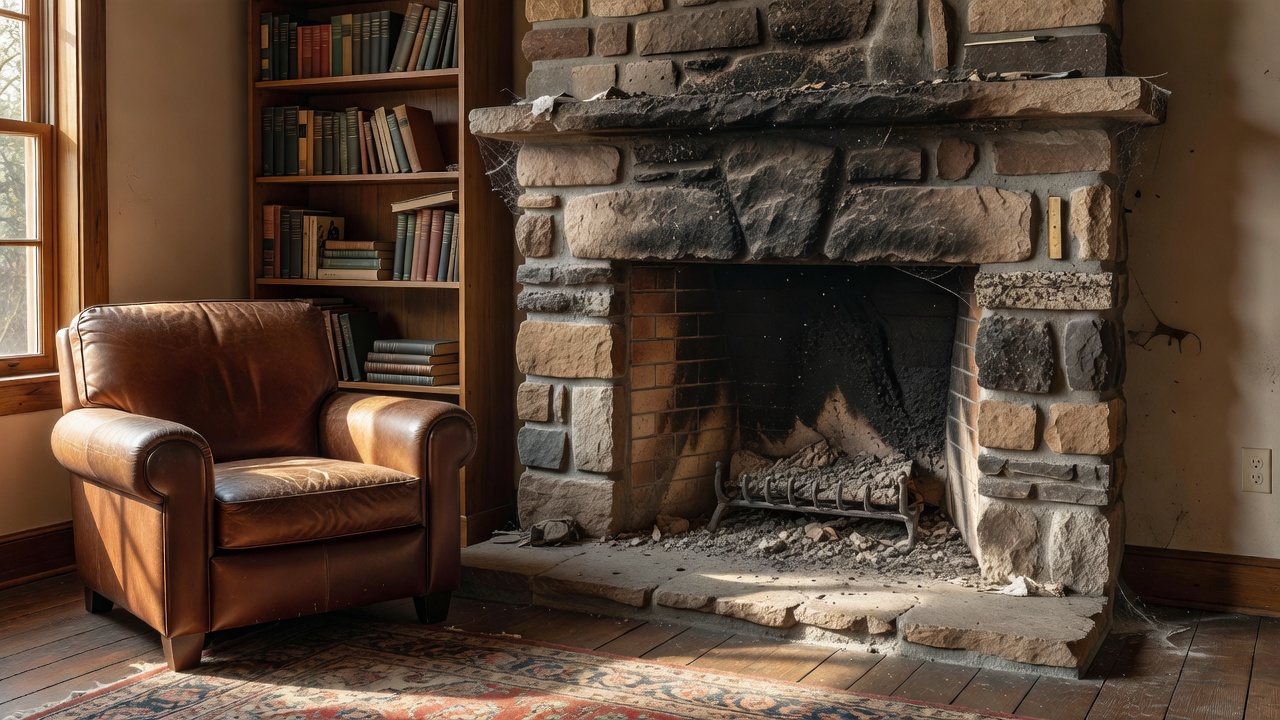
Some soot inside a wood-burning fireplace is normal. However, unusually heavy deposits around the firebox opening, damper, or smoke chamber may indicate incomplete combustion, poor draft, or excessive soot accumulation.
The staining itself does not identify the exact cause. A technician can examine the fireplace and venting system to determine whether the deposits are related to burning practices, airflow, or a chimney obstruction.
Mention any unusual staining during your inspection. If smoke is also entering the room, stop using the fireplace until it has been evaluated.
4. You Can See Thick or Glazed Creosote Deposits
Creosote may appear as brown or black flakes, a sticky coating, or a hard, shiny layer inside the chimney. Heavy deposits can increase the risk of a chimney fire.
The Chimney Safety Institute of America recommends sweeping masonry fireplaces when soot buildup reaches approximately 1/8 inch, and sooner when glaze is present. Factory-built fireplaces may have different cleaning requirements based on their design and manufacturer instructions.
Do not try to scrape deposits from inside the flue yourself. A professional can determine the type of buildup and select an appropriate cleaning method. Hard or glazed deposits may require specialized mechanical techniques.
5. You Hear a Loud Rumbling or Roaring Sound During a Fire
A loud rumbling, roaring, or intense crackling sound coming from the chimney may indicate a chimney fire. Other warning signs can include dense smoke, flames or sparks coming from the chimney top, and an unusually strong burning smell.
If you suspect a chimney fire:
-
Get everyone out of the house.
-
Call 911 from outside.
-
Do not climb onto the roof or attempt to fight the chimney fire yourself.
-
Do not use the fireplace again until it has been professionally inspected and cleared for use.
A chimney fire can damage the flue liner, masonry joints, and surrounding structure. Damage may not be visible from the fireplace opening. Even if the fire appears to stop, a professional evaluation is necessary before using the system again.
6. Debris or Nesting Material Falls into the Firebox
Leaves, twigs, nesting material, and other debris inside the fireplace may indicate an obstruction or animal activity in the chimney.
A blockage can interfere with proper venting. Dry nesting material can also create a fire hazard when the fireplace is used.
Do not light another fire to burn away the debris. Have the chimney inspected and cleaned as needed. The technician can also check whether the chimney cap is missing, damaged, or unsuitable for the flue.
7. White Staining Appears on the Exterior Masonry
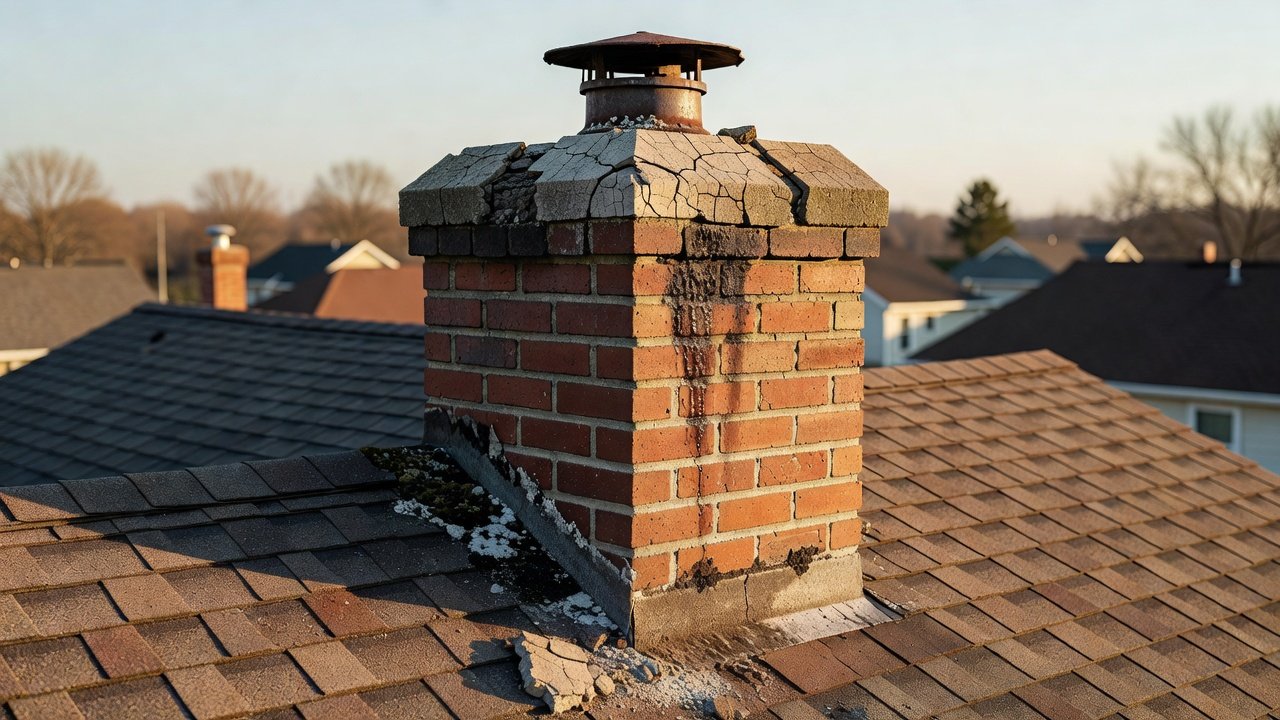
White powdery or streaky deposits on brick and mortar are commonly called efflorescence. They form when moisture moves through masonry and leaves soluble mineral deposits on the surface as it evaporates.
Efflorescence can indicate moisture movement, but it does not identify the source or automatically mean the chimney liner is damaged. Water may enter through a cracked crown, deteriorated mortar joints, damaged flashing, or other openings.
Minor staining should still be mentioned during an inspection. If it appears alongside crumbling mortar, loose bricks, or visible structural damage, arrange a professional assessment rather than waiting for the next routine visit.
8. The Damper Does Not Open or Close Properly
The damper controls airflow between the fireplace and chimney. If it sticks, becomes difficult to operate, or does not close correctly, it may need adjustment or repair.
A damaged damper can affect fireplace operation and allow outside air or odors to enter the home when the fireplace is not in use. However, a damper problem does not automatically mean the chimney needs cleaning.
Have a technician examine the damper, its frame, and the surrounding components. Never close the damper while a fire is burning or hot embers remain inside the fireplace.
9. Firebrick or Mortar Around the Firebox Is Crumbling
Cracked firebrick, missing refractory mortar, and deteriorating joints inside the firebox should not be ignored. These materials help protect the surrounding structure from the high temperatures produced by a fire.
Damage may develop through age, repeated heating and cooling, or excessive heat exposure. If the firebox lining is compromised, continued use may expose nearby materials to unsafe temperatures.
Stop using the fireplace until a qualified professional has evaluated significant damage. The technician can determine whether the affected firebrick or refractory mortar needs repair or replacement.
What Does a Professional Chimney Cleaning Include?
A professional chimney cleaning should begin with an assessment of the fireplace and chimney system. The technician examines accessible components and identifies deposits, obstructions, or visible damage before choosing a cleaning method.
Depending on the system, the work may involve cleaning the firebox, smoke shelf, smoke chamber, and flue. Brushes and other mechanical tools should be selected to suit the flue’s dimensions and construction. A properly filtered vacuum and suitable containment measures help prevent soot and debris from entering the living space.
The inspection level also matters. A Level 1 inspection is generally used for routine annual maintenance when the chimney and appliance remain under the same conditions. A Level 2 inspection is more extensive and may include video scanning of the flue when circumstances require it. Level 3 inspections may involve accessing concealed areas when a suspected hazard cannot otherwise be evaluated.
Ask the contractor what inspection level is appropriate, what the cleaning includes, and whether photographs or a written report will be provided. CSIA certification is a useful credential to check, but homeowners should also confirm insurance and the technician’s experience with their particular fireplace system.
How Much Does Fireplace Cleaning Cost?
Chimney cleaning prices vary according to the fireplace type, chimney height, accessibility, amount of buildup, and work required.
A routine cleaning may cost less than a job involving heavy or glazed creosote deposits. Additional services, such as video inspections, liner repairs, or chimney cap replacement, may also increase the total.
Before approving the work, request a written estimate that separates inspection, cleaning, and any recommended repairs. Ask whether additional charges apply if the technician discovers an obstruction or deposits that require specialized removal.
Schedule a Fireplace Inspection and Cleaning
Smoke entering the room, heavy creosote deposits, falling debris, and damaged firebox materials are all reasons to take a closer look at your fireplace. Some conditions require immediate attention, while others can be addressed through routine maintenance.
Ridgewood Chimney is listed in this draft as serving homeowners in the region. Contact the company to confirm service availability, ask about its inspection process, and request an estimate for your fireplace.
Contact Ridgewood Chimney to ask about fireplace cleaning and chimney inspection services.
Serving your area: For related services in nearby communities, see American Chimney Company and Ridgewood Chimney.
Related from Far Rockaway Chimney: Creosote Removal in Far Rockaway, NY – Professional Chimney Cleaning &