
Published October 27, 2026
Chimney Inspection in Far Rockaway, NY: Common Problems and How Professionals Fix Them
A chimney inspection helps identify problems that could affect fireplace performance, indoor air quality, and fire safety. During an inspection, a qualified technician examines accessible parts of the chimney, flue, liner, firebox, and exterior masonry to look for damage, blockages, combustible deposits, and other hazards. The National Fire Protection Association (NFPA) recommends annual chimney inspections under NFPA 211, with cleaning and repairs performed when necessary.
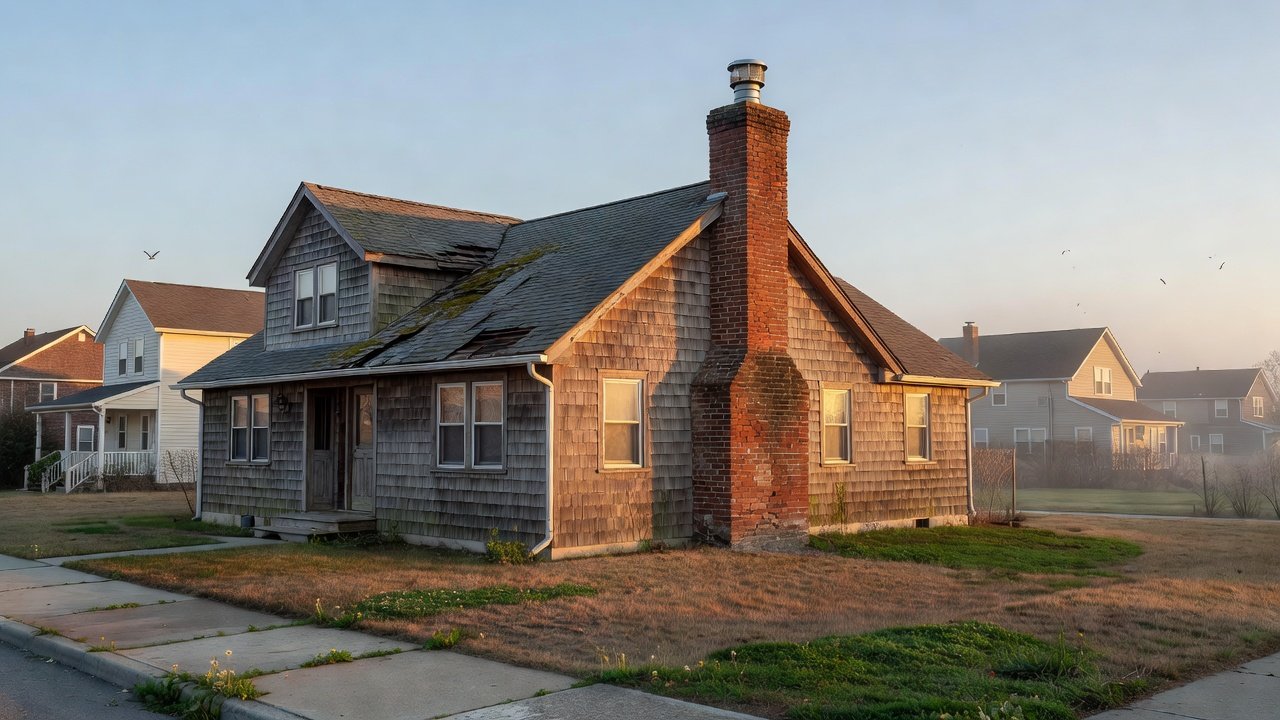
In Far Rockaway, Queens, coastal weather, moisture exposure, and the age and condition of individual homes can contribute to chimney deterioration. Salt exposure may accelerate corrosion in metal components, while repeated moisture penetration and freezing temperatures can damage masonry. Older clay tile liners may also develop cracks or deteriorate over time. Understanding these problems can help homeowners recognize warning signs, learn how professionals diagnose them, and determine which repairs may be necessary.
1. Cracked or Deteriorated Chimney Flue Liners
Common warning signs: Smoke odors inside the home, visible damage to accessible liner sections, falling pieces of clay tile, or evidence of smoke escaping through masonry joints.
A chimney flue liner helps contain combustion products and direct them safely outside. Depending on the chimney design, it may be made of clay tile, metal, or another approved material. Over time, thermal stress, moisture, corrosive combustion byproducts, and chimney fires can damage the liner.
Cracks and deteriorated joints are not always visible from the fireplace opening. If a liner can no longer contain combustion products or withstand the temperatures for which it was designed, heat and gases may reach areas that should remain protected.
How professionals diagnose the problem
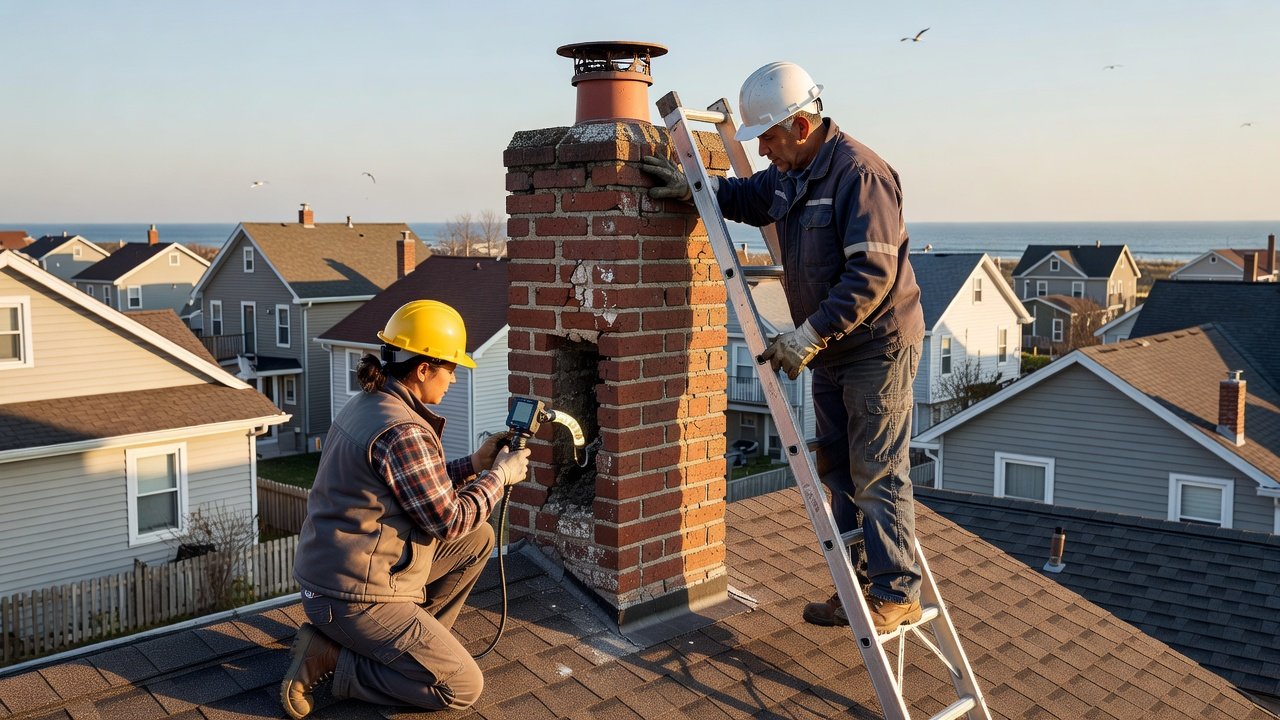
A technician begins by examining accessible portions of the chimney and looking for signs of deterioration. When a more detailed assessment is warranted, a Level 2 inspection includes video scanning or a comparable examination of the flue interior. This can help identify cracks, missing liner sections, separated joints, and other visible defects.
A Level 2 inspection is generally appropriate after a property transfer, following a chimney fire or another potentially damaging event, and when an appliance or fuel change requires a more detailed evaluation. The required inspection level depends on the circumstances and applicable standard.
How professionals repair a damaged liner
The appropriate repair depends on the liner material, the extent of the damage, and the appliance it serves. Localized damage may be repairable using an approved method, while extensive deterioration may require a replacement liner.
Options can include a properly sized stainless-steel liner or a suitable cast-in-place lining system. Any repair must be compatible with the appliance, fuel, chimney configuration, and applicable requirements. A contractor should explain why the proposed system is appropriate rather than recommending a full replacement without documenting the condition.
Can the damage be prevented?
Annual inspections can help identify deterioration before it becomes more extensive. Burning properly seasoned wood and operating the fireplace according to the manufacturer’s instructions can also reduce conditions that contribute to excessive deposits and chimney damage.
2. Excessive Creosote Buildup
Common warning signs: Black or brown deposits inside accessible fireplace surfaces, a persistent tar-like odor, reduced draft, or visible buildup inside the flue.
Creosote forms when combustion byproducts from burning wood cool and condense on the chimney’s interior surfaces. It is highly combustible, and excessive accumulation can increase the risk of a chimney fire.
Creosote may appear as loose, flaky soot-like deposits, a sticky or tar-like coating, or a hard, shiny glaze. Different forms can occur in the same chimney. Ordinary brushing may remove loose deposits, but hardened or glazed creosote can require specialized treatment or mechanical removal.
The Chimney Safety Institute of America (CSIA) explains that chimney fires can reach temperatures of approximately 2,000 degrees Fahrenheit. Such fires can crack clay tiles, damage mortar, and compromise the chimney’s ability to contain heat and combustion products.
How professionals diagnose the problem
A chimney sweep examines accessible areas for deposits and evaluates the flue to determine the extent of the buildup. A camera inspection may help document deposits in areas that cannot be seen directly.
The appropriate cleaning method depends on the type and condition of the creosote. A professional should also look for contributing factors, such as restricted airflow, damp firewood, or an improperly operated appliance.
How professionals remove creosote
Loose deposits can often be removed using appropriate chimney brushes and vacuum equipment. Hardened or glazed deposits may require specialized mechanical tools or an appropriate chemical treatment, sometimes over multiple visits.
Homeowners should not attempt to burn away heavy creosote deposits. Doing so can trigger an uncontrolled chimney fire and damage the chimney.
Can the buildup be prevented?
Burn only dry, seasoned firewood and maintain adequate airflow during operation. Have the chimney inspected annually and cleaned when the inspection shows it is necessary. These practices help reduce excessive creosote accumulation, although they cannot eliminate it entirely.
3. Deteriorated Mortar Joints and Spalling Brick
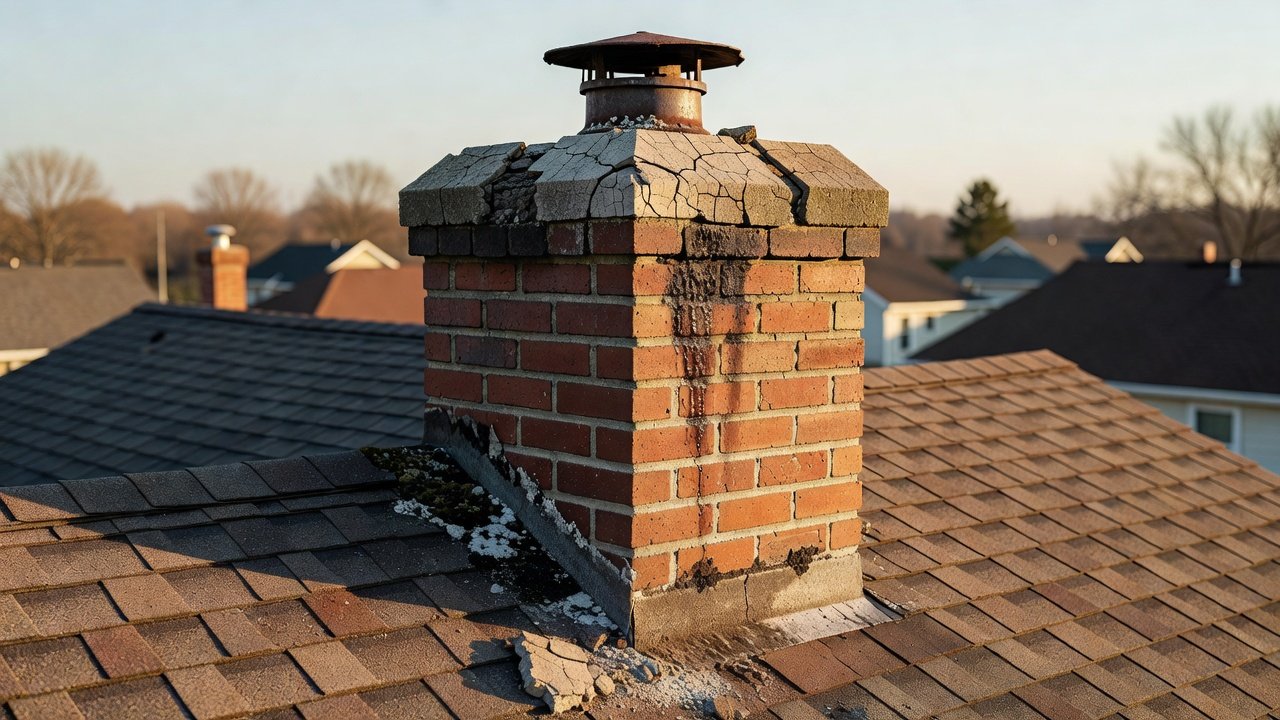
Common warning signs: Crumbling mortar, loose pieces of brick, white powdery deposits on masonry, water staining, or visible cracks along the chimney exterior.
Moisture is a major cause of masonry deterioration. Rain can enter through damaged chimney crowns, deteriorated mortar joints, defective flashing, or other openings. In coastal locations such as Far Rockaway, salt exposure can also contribute to deterioration, particularly where moisture repeatedly penetrates masonry or affects metal components.
When absorbed water freezes and expands, it can worsen existing cracks and cause the surface of a brick to break away. This process is known as spalling. Efflorescence, the white powdery material that sometimes appears on masonry, indicates that moisture has transported soluble salts to the surface, although it does not by itself establish the severity of structural damage.
How professionals diagnose the problem
A technician examines the exterior masonry, chimney crown, cap, and flashing for visible deterioration and signs of water intrusion. Depending on the findings, a closer inspection of accessible roof or attic areas may be necessary.
Photographs can document the affected areas and help explain the recommended repairs. If concealed damage is suspected, a more detailed inspection may be needed.
How professionals repair damaged masonry
Deteriorated mortar joints may require repointing, which involves removing unsuitable mortar and replacing it with a compatible material. Damaged bricks may need replacement, while a cracked or improperly constructed chimney crown may require repair or rebuilding.
A suitable masonry water repellent may help reduce future water absorption when applied to compatible surfaces. However, waterproofing is not a substitute for repairing existing cracks or correcting drainage and flashing problems.
Can the damage be prevented?
Inspect the chimney periodically for deteriorating mortar, damaged flashing, and signs of water penetration. Keeping the chimney crown and other weather-exposed components in good condition can help reduce moisture-related damage.
4. A Damaged or Malfunctioning Damper
Common warning signs: Difficulty controlling the draft, cold air entering through the fireplace when it is not in use, persistent odors, or a damper that sticks during operation.
A fireplace damper helps control airflow through the chimney when the fireplace is not in use. Depending on the design, it may be located near the firebox or at the top of the chimney.
Dampers can become difficult to operate because of corrosion, warping, accumulated debris, or damaged components. A damper that remains closed or substantially obstructs the flue during a fire can prevent combustion products from escaping properly, allowing dangerous smoke and carbon monoxide to enter the home.
How professionals diagnose the problem
The technician checks the damper’s movement, seating surfaces, and visible components. The inspection may also identify obstructions or damage that prevents the damper from opening or closing correctly.
How professionals repair or replace a damper
Minor problems may be resolved by removing suitable obstructions or repairing accessible components. A severely corroded or warped damper may need replacement.
Depending on the chimney configuration, a contractor may recommend a conventional throat damper or a compatible top-sealing damper. The recommendation should account for the existing fireplace, installation requirements, and the condition of the chimney.
Can the damage be prevented?
Include the damper in routine chimney inspections. Operate it according to the fireplace manufacturer’s instructions and ensure it is fully open before lighting a fire.
5. Blocked Flues Caused by Debris or Wildlife
Common warning signs: Smoke backing up into the room, visible debris inside the fireplace, unusual animal sounds, or evidence of nesting material near accessible openings.
Leaves, branches, animal nests, and other debris can obstruct a chimney flue. Birds and other wildlife may enter unprotected chimneys, while deteriorating chimney components can contribute to falling debris.
A blockage can interfere with draft and prevent combustion products from escaping. In a wood-burning fireplace, this can increase the risk of smoke exposure and carbon monoxide poisoning.
How professionals diagnose the problem
A technician examines accessible openings and may use a camera to locate the obstruction. The inspection should also assess whether the blockage has damaged the liner or other chimney components.
How professionals remove the obstruction
The removal method depends on the material involved and whether wildlife is present. Once removal is lawful and safe, the technician clears the obstruction and checks for damage that could affect chimney operation.
Chimney caps can help prevent some animals and debris from entering, but the correct design depends on the chimney and its intended use. Some birds, including chimney swifts, are protected under federal law. Their active nests must not be disturbed unless the applicable legal authorization permits it. Homeowners should seek qualified wildlife guidance before attempting removal or installing exclusion devices where protected birds may be nesting.
Can the problem be prevented?
Have the chimney inspected for suitable protective measures and signs of animal activity. Any cap or screening installed must be compatible with the chimney system and must not interfere with safe exhaust flow or violate wildlife protections.
6. Misaligned Flues and Structural Movement
Common warning signs: Persistent draft problems, visible masonry separation, cracks that continue to develop, or evidence that chimney sections have shifted.
Chimneys can develop structural problems as buildings age. Foundation movement, settlement, deteriorating mortar, weather exposure, or previous construction defects may cause sections to shift or become misaligned.
A change in the flue’s geometry can affect draft and make deposits more difficult to remove. However, poor draft does not automatically mean that the chimney is structurally misaligned. Other causes, including blockages, inadequate air supply, and chimney design, must also be considered.
How professionals diagnose the problem
A technician examines accessible masonry and the flue interior for alignment problems, separated joints, cracks, and obstructions. Video scanning can help reveal the interior condition, while more extensive investigation may be needed if structural movement is suspected.
If concealed areas must be opened to determine the extent of a suspected hazard, a Level 3 inspection may be appropriate.
How professionals correct the problem
The solution depends on the cause and severity of the damage. Minor masonry defects may require localized repairs, while significant movement may require structural masonry work or a properly designed liner system.
A flexible liner may be suitable for certain flue configurations, but it does not automatically correct an unstable chimney structure. The underlying cause of the movement must be addressed before the system is considered safe for continued use.
Can the problem be prevented?
Structural movement cannot always be prevented, but regular inspections can identify developing defects. If you notice new cracks, shifting masonry, or recurring draft problems, arrange an assessment before continuing to use the fireplace.
What Are the Three Levels of Chimney Inspection?
NFPA 211 describes three inspection levels based on the circumstances and the access required to evaluate the chimney.
Level 1 inspection: This is generally appropriate when the existing appliance and fuel remain unchanged and the chimney is expected to continue serving the same purpose. The technician examines readily accessible portions of the chimney, connected appliance, and chimney connection.
Level 2 inspection: This includes the Level 1 examination plus additional accessible areas, such as appropriate attic, crawl-space, or basement locations. It also includes video scanning or a comparable examination of the flue interior. This level is generally appropriate after a property transfer, an applicable appliance or fuel change, or a potentially damaging event.
Level 3 inspection: This is used when a suspected hazard cannot be adequately evaluated through a Level 1 or Level 2 inspection. It may require removing permanently attached components or opening concealed areas of the building to examine the suspected damage.
The inspection level should reflect the condition of the chimney and the reason for the assessment. A contractor should explain the scope of the inspection and document any areas that could not be examined.
How to Choose a Chimney Inspection Professional in Far Rockaway, NY
When comparing chimney inspection companies, ask about the technician’s qualifications, the inspection level being offered, and the documentation you will receive.
Look for a professional with relevant chimney inspection training or a recognized certification, such as CSIA certification. Ask whether the company can provide photographs or video documentation when appropriate and request a written report explaining any defects and recommended repairs.
If repairs are proposed, ask for a written estimate that separates inspection and cleaning charges from repair costs. The estimate should describe the problem, the proposed solution, and any additional work that may be necessary.
Far Rockaway is part of New York City, so homeowners should also verify the contractor’s applicable licensing requirements. NYC requires a Home Improvement Contractor license for covered residential construction, repair, remodeling, and other home improvement work. Requirements depend on the work being performed, and homeowners should verify the company’s current status with the New York City Department of Consumer and Worker Protection.
Schedule a Chimney Inspection Before the Heating Season
Cracked liners, excessive creosote, deteriorating mortar, damaged dampers, blocked flues, and structural movement can all affect chimney safety. Some problems are visible, while others require specialized inspection equipment to identify.
Annual inspections help homeowners understand their chimney’s condition and determine whether cleaning or repairs are needed. If you notice smoke entering the home, suspect a chimney fire, or experience a carbon monoxide alarm, stop using the fireplace and take the appropriate safety steps rather than waiting for routine maintenance.
Ridgewood Chimney is the business named in this article. Before publishing, confirm that it currently provides chimney inspection and repair services in Far Rockaway, Queens, and add its verified contact details. A professional inspection can help you understand what is actually wrong with your chimney and which repairs are appropriate for your home.
Related from Far Rockaway Chimney: Chimney Repair in Far Rockaway, NY – Restore Safety & Structural I