
Chimney Crown Repair in Far Rockaway: When to Book and What Delays Can Cost You
A cracked chimney crown can allow water to enter the masonry and contribute to deterioration over time. For homeowners in Far Rockaway, Queens, addressing crown damage before the next heating season can provide more time to arrange repairs and investigate related problems. The best time to schedule the work depends on the condition of the crown, the weather, and the materials used for the repair. Waiting until damage becomes more extensive can mean a larger repair project rather than a straightforward fix. Understanding the warning signs and planning ahead can help you protect your chimney and avoid unnecessary delays.
What Does a Chimney Crown Do?
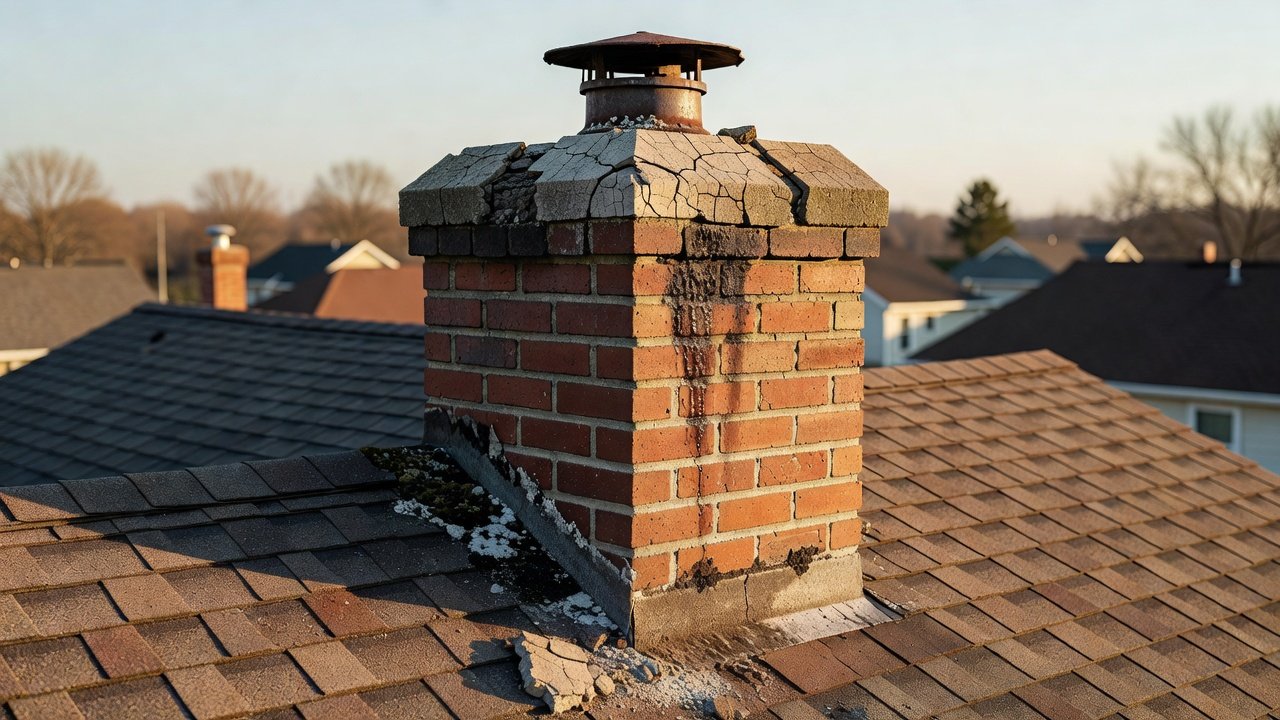
The chimney crown is the top surface of a masonry chimney that surrounds the flue opening. It is designed to direct water away from the chimney structure and help prevent moisture from entering the masonry. A properly constructed crown, along with sound flashing and an appropriate chimney cap, helps protect the chimney from weather exposure.
When a crown develops cracks or begins to deteriorate, water can penetrate the masonry. Moisture can contribute to damaged mortar joints, spalling brick, and deterioration around the flue. In colder weather, water that enters cracks can freeze and expand, potentially making existing damage worse.
The Chimney Safety Institute of America (CSIA) identifies water intrusion and deteriorating masonry among the conditions professionals look for during chimney inspections. A damaged crown should be evaluated to determine whether it needs localized repair, resurfacing, or more extensive reconstruction.
When Is the Best Time to Schedule Chimney Crown Repair?
Late summer and early fall can be convenient times to arrange chimney crown repairs in Far Rockaway. The most important consideration, however, is whether the weather and surface conditions meet the requirements of the repair material. Temperature limits, moisture conditions, and the possibility of rain vary by product.
For example, some chimney crown repair products specify minimum application temperatures around 40°F or 45°F and require suitable conditions after application. These requirements are product-specific, so the contractor should follow the manufacturer’s instructions rather than rely on a single temperature range for every repair.
Scheduling ahead of the heating season also gives homeowners more time to arrange an inspection, compare estimates, and complete any additional work. Contractor availability varies, so booking early may help avoid a last-minute rush.
The mistake: Assuming that every crown repair can be completed at any time of year. Cold temperatures, rain, frozen surfaces, or excessive moisture can interfere with some repair materials. Ask the contractor which conditions are required for the proposed repair and how the work will be protected while it cures.
Spring: Another Opportunity to Repair Winter Damage
If you missed the late-summer or fall window, spring can be a practical time to assess your chimney. After winter, an inspection may reveal new cracks, deteriorated mortar, loose masonry, or signs of moisture intrusion.
A professional can determine whether the crown needs a localized repair or whether the damage extends into other parts of the chimney. If water has affected the surrounding brickwork or flue, additional work may be necessary.
Spring appointments also give homeowners time to address problems before the next heating season. However, rainfall and changing temperatures can affect when certain materials may be applied, so the contractor should confirm that conditions are suitable.
The mistake: Assuming that a small crack can wait indefinitely because the chimney is no longer being used. Even when the fireplace is inactive, water can continue to enter damaged masonry. Arrange an assessment so you understand the condition and the urgency of the repair.
Winter: Why Weather Conditions Matter
Some chimney crown repairs are difficult to complete during cold or wet weather because the repair materials need suitable conditions to bond and cure. The specific limitations depend on the product and repair method.
For example, manufacturers may prohibit application to frozen or water-saturated surfaces or require protection from rain and falling temperatures. Applying a product outside its stated conditions can compromise the repair.
If you discover crown damage during winter, contact a qualified chimney professional to assess the situation. The contractor can explain whether the repair can be completed safely under current conditions or whether a temporary protective measure and later permanent repair are appropriate.
Do not climb onto a roof or attempt to apply sealant during unsafe weather. If the chimney appears structurally unstable, keep clear of the affected area and arrange a professional assessment.
The mistake: Delaying an assessment because permanent repairs may have to wait for suitable weather. Even if the repair cannot be completed immediately, an inspection can help determine the extent of the problem and the safest next step.
What Can Happen When You Delay Chimney Crown Repair?
The consequences of waiting depend on the original damage, the amount of water entering the chimney, and the condition of the surrounding masonry. A minor crack may require a relatively limited repair, while prolonged moisture intrusion can contribute to broader deterioration.
Potential problems include:
-
Worsening crown cracks: Water entering existing cracks can contribute to further deterioration, especially when freezing and thawing occur.
-
Damaged mortar joints: Moisture can affect the mortar that holds masonry units together.
-
Spalling brick: Repeated moisture exposure and freeze-thaw cycles can cause the outer surface of bricks to flake or break away.
-
Interior water damage: Water entering the chimney may contribute to staining or moisture damage around nearby ceilings and walls.
-
Additional chimney repairs: If deterioration extends beyond the crown, repairs may involve the masonry, flashing, or other chimney components.
A failed crown does not automatically mean the flue liner is damaged or that a complete relining is necessary. The condition of the liner and other components must be evaluated separately.
The cost of delaying repairs cannot be predicted from the appearance of a crack alone. A contractor should inspect the crown and surrounding structure before recommending work. If the fireplace or chimney may be unsafe, stop using the connected appliance until a qualified professional has assessed it.
How to Choose a Chimney Crown Repair Contractor
Before hiring a contractor in Far Rockaway, ask questions that clarify the proposed work and how its quality will be documented.
Does the contractor have relevant experience? Ask about experience repairing masonry crowns and diagnosing water intrusion. If the company advertises CSIA certification, verify the technician’s current credentials and the scope of the service being provided.
Will you receive a written inspection report? Ask for a clear description of the crown’s condition, photographs where practical, and an explanation of any related damage.
What repair method is recommended? Depending on the condition, the solution may involve a localized repair, an appropriate crown coating, or rebuilding a deteriorated crown. Ask why the method suits your chimney and what preparation is required.
What weather conditions are needed? Confirm the product being used and ask how the contractor will comply with its application and curing requirements.
Are permits required? Far Rockaway is within New York City. Permit requirements depend on the nature and scope of the proposed work. The NYC Department of Buildings explains that some minor alterations and ordinary repairs may be exempt, while other construction work requires approval and permits. Confirm the applicable requirements before work begins.
What does the estimate include? Ask whether the quote covers surface preparation, repair materials, labor, cleanup, and any additional masonry work. A written estimate makes it easier to compare proposals and understand what is included.
Schedule Chimney Crown Repair Before the Next Heating Season
If your chimney crown has not been inspected recently, or you have noticed cracking, loose masonry, or signs of water intrusion, arrange a professional evaluation. Late summer and early fall can provide a convenient opportunity to complete repairs before regular fireplace use resumes, but the work should be scheduled around the condition of the chimney and the requirements of the repair materials.
Ridgewood Chimney is named as a provider serving parts of the New York and New Jersey area. Before publishing a recommendation, verify that the company currently serves Far Rockaway, holds any advertised credentials, and offers the specific inspection or repair service described.
You can review the company’s current information at Ridgewood Chimney’s website if this is the intended business website. Confirm the URL and service details before publication.
Planning ahead can give you more time to compare estimates and address problems before they become more extensive. A professional inspection will help establish what your chimney needs rather than relying on assumptions about its condition.
Related from Far Rockaway Chimney: Chimney Repair in Far Rockaway · Chimney Repair in Far Rockaway