
Warning Signs Your Chimney Needs Creosote Removal in Far Rockaway, NY
Creosote is a combustible byproduct of burning wood that can accumulate inside a chimney flue. When deposits build up, they can increase the risk of a chimney fire and interfere with proper venting. The National Fire Protection Association (NFPA) recommends that chimneys, fireplaces, and vents be inspected at least once a year, with cleaning and repairs performed as needed. Regular inspections help identify creosote buildup before it becomes a more serious safety concern.
What Is Creosote, and Why Does Buildup Matter?
Creosote forms when combustion byproducts cool and condense on the inside of a chimney. Its appearance can range from loose, flaky residue to sticky deposits and hard, glazed material. The type and amount of buildup depend on factors such as wood moisture, burning habits, appliance operation, and chimney conditions.
Loose deposits may be easier to remove with conventional chimney brushes. Hardened or glazed creosote can require specialized mechanical methods, and a qualified professional may use chemical treatments to help loosen difficult deposits. These treatments do not replace the need for appropriate mechanical cleaning and inspection.
Rather than relying on a simplified three-stage classification, homeowners should have the actual deposits assessed by a qualified chimney professional. Even if the fireplace appears to be working normally, creosote can accumulate out of sight.
Warning Signs Your Chimney May Need Creosote Removal
The following signs can indicate a need for professional evaluation. Some may have causes other than creosote, so none should be treated as a definitive diagnosis on its own.
1. A Strong, Persistent Odor From the Fireplace
A strong, smoky, or tar-like odor coming from an unused fireplace may be associated with creosote deposits. Humidity and changing weather conditions can make chimney odors more noticeable.
However, odor alone cannot determine how much creosote is present or whether the chimney is safe to use. If the smell persists when the fireplace is not in use, arrange an inspection rather than attempting to mask the odor or burn another fire to clear it.
2. Dark or Sticky Residue Around the Damper
Dark residue around the damper or inside the firebox can indicate soot or creosote buildup. Sticky or tar-like material deserves particular attention because hardened deposits can be more difficult to remove than loose soot.
The appearance of residue near the fireplace does not establish the condition of the entire flue. Avoid reaching into the chimney or trying to scrape deposits from inaccessible areas. A professional can assess the buildup and recommend the appropriate cleaning method.
3. Creosote Flakes or Debris Falling Into the Firebox
Black or dark brown flakes in the firebox may be creosote or soot falling from higher inside the chimney. If you notice unusual amounts of debris between fires, arrange a professional inspection.
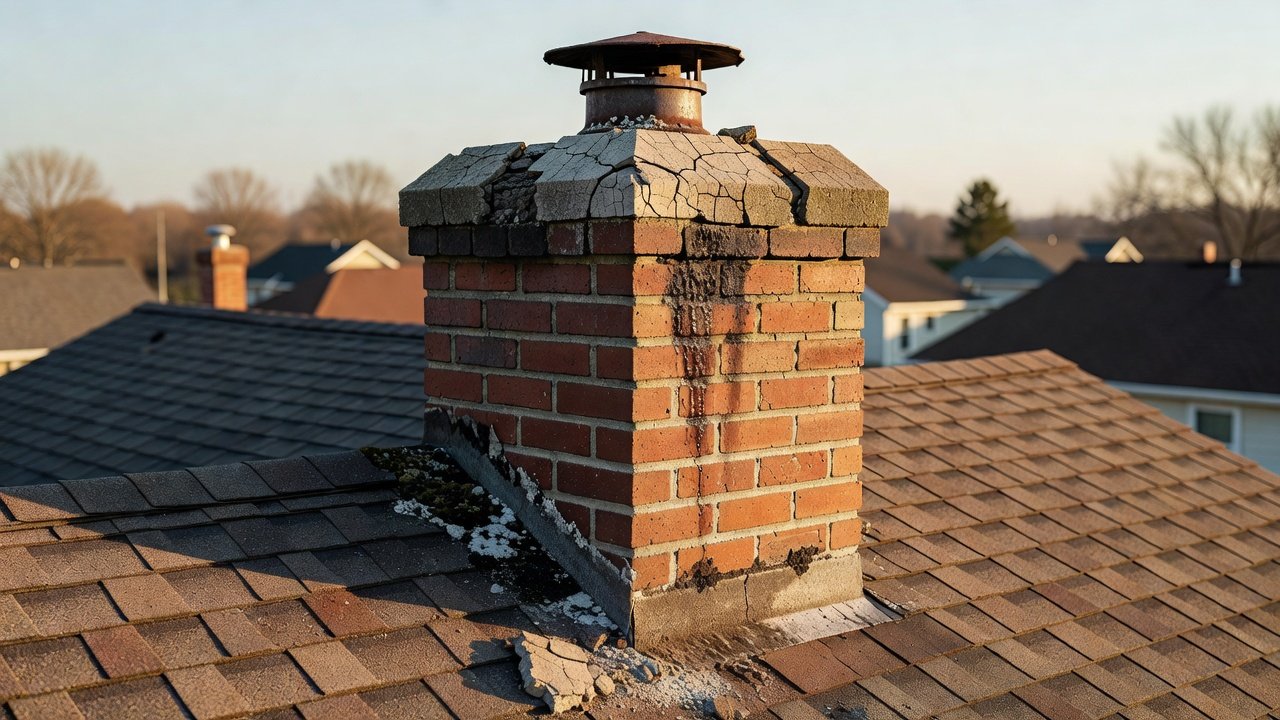
Creosote flakes and pieces found on the roof or ground can also be signs that a chimney fire has occurred. The CSIA identifies these, along with cracked flue tiles and unusual damage to metal components, as potential evidence of a previous chimney fire.
Do not assume the chimney is safe because the fireplace still looks normal. If you suspect a chimney fire, stop using the fireplace and arrange a professional assessment before using it again.
4. Smoke Entering the Room or Poor Fireplace Draft
Smoke entering the living space during a fire can indicate a problem with the chimney or venting system. Creosote buildup may contribute, but other possible causes include a blocked flue, a closed damper, inadequate air supply, or draft problems.
Stop using the fireplace if smoke repeatedly enters the room. Have the system evaluated instead of trying to compensate by burning a larger fire or making unverified adjustments.
If a carbon monoxide alarm sounds, leave the building and contact emergency services.
5. A Roaring or Unusually Loud Crackling Noise
A loud rumbling, intense crackling, or roaring sound during a fire can indicate a chimney fire. Other warning signs may include dense smoke, an intense hot smell, or flames coming from the chimney top. However, some chimney fires produce few obvious external signs.
Treat a suspected chimney fire as an emergency. Evacuate the home, call 911, and do not attempt to investigate or extinguish the fire from the roof or fireplace. Do not use the chimney again until it has been professionally evaluated.
6. Puffy or Honeycomb-Like Material Inside the Chimney
Puffy or honeycomb-like creosote can be a sign that a chimney fire has occurred. Other possible indicators include cracked or displaced flue tiles, warped metal components, and damage to the exterior masonry.
These signs require professional evaluation even if no flames or unusual sounds were noticed at the time. A chimney fire can damage the liner and surrounding structure without leaving obvious evidence from inside the living room.
The inspection scope should be determined by the suspected damage. A Level 2 or Level 3 inspection may be necessary depending on what the professional finds and whether concealed areas need to be examined.
7. Heavy Fireplace Use Without a Recent Inspection
Frequent wood burning can contribute to creosote buildup, especially when wood is wet or fires smolder for long periods. However, there is no single number of cords that reliably determines when every chimney needs cleaning.
The condition of the flue, the type of appliance, fuel moisture, and burning practices all affect how quickly deposits accumulate. An annual inspection is recommended even when the fireplace is used infrequently, because deterioration and blockages can develop independently of use.
If you cannot remember the last inspection, schedule one before using the fireplace regularly again.
8. A Previous Inspection Identified Creosote Deposits
If a previous inspection found creosote, follow the professional’s recommendations about cleaning and maintenance. Deposits may accumulate further as you continue burning wood, but the rate varies from one chimney to another.
Do not assume that a previous finding of light buildup guarantees that the chimney remains safe for another season. Have the system inspected at the recommended interval and cleaned when necessary.
What Happens During Professional Creosote Removal?
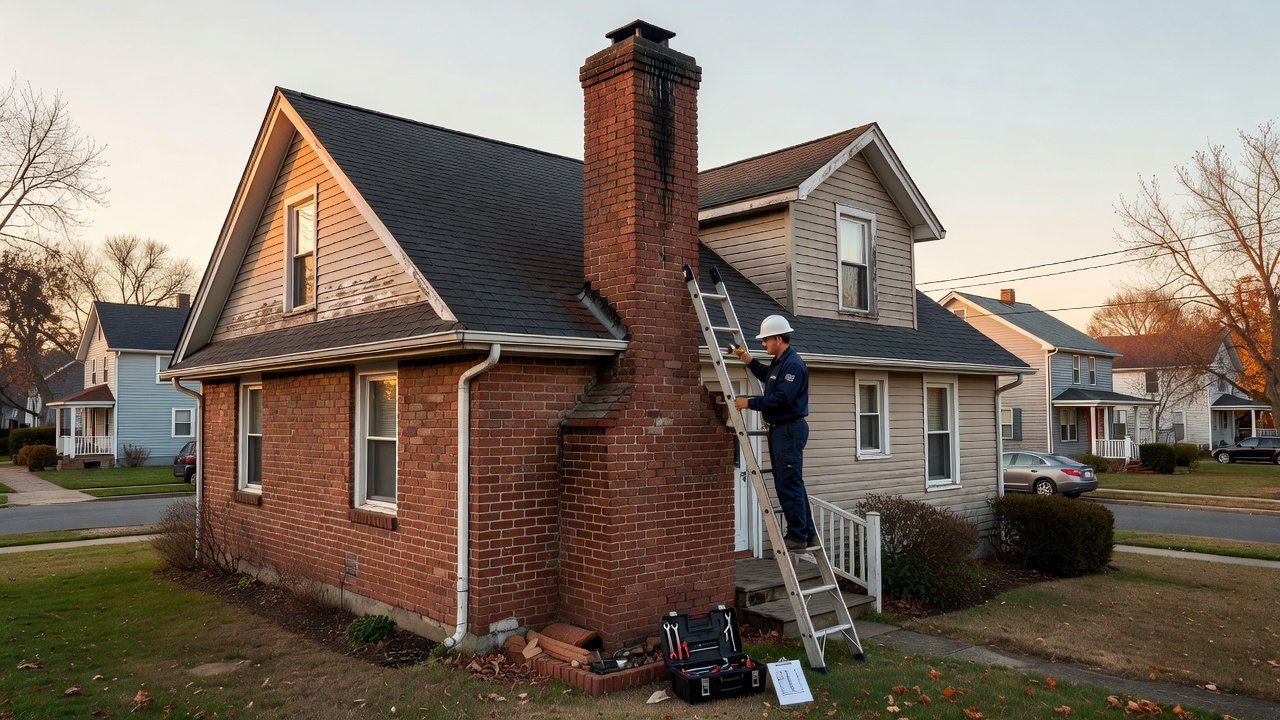
A professional creosote removal appointment typically begins with an assessment of the chimney and the deposits present. The method used depends on the condition of the flue and the type of buildup.
A typical service may include:
-
Protecting the work area: The technician establishes dust containment around the fireplace opening and uses suitable equipment to collect soot and debris.
-
Assessing the deposits: The technician evaluates the buildup and identifies any visible concerns that could affect cleaning.
-
Removing creosote: Brushes or specialized mechanical equipment may be used depending on the type and hardness of the deposits.
-
Using additional treatment when appropriate: A qualified professional may recommend a chemical treatment for certain hardened deposits, followed by mechanical removal.
-
Checking the chimney: The technician evaluates accessible components and determines whether further inspection is necessary.
-
Explaining the findings: Ask for a clear summary of the cleaning performed, any damage identified, and recommended next steps.
A camera inspection may be useful when the condition of the flue needs closer examination, but it is not automatically included in every cleaning service. Ask whether it is appropriate for your chimney and whether photographs or video documentation will be provided.
Before booking, confirm the service scope, the technician’s relevant credentials, and whether the company carries appropriate insurance.
How Much Does Creosote Removal Cost in Far Rockaway, NY?
The cost of creosote removal depends on the amount and type of buildup, the chimney’s accessibility, the equipment required, and whether additional inspection or repair work is necessary.
A routine chimney cleaning is different from removing hardened or glazed deposits. Difficult buildup may require specialized equipment, additional labor, or more than one visit. If the inspection reveals damaged flue tiles or other defects, repairs may involve separate costs.
Ask for an itemized estimate before work begins. Confirm whether the price includes cleaning, inspection, specialized creosote removal, and any follow-up visit. If additional work is recommended, request an explanation of the findings and a separate estimate where appropriate.
A written estimate makes it easier to compare services and understand what is included in the quoted price.
Frequently Asked Questions About Creosote Removal
Can I remove creosote myself?
Homeowners should avoid attempting to remove deposits from inaccessible parts of the chimney or using improvised tools. Although some loose deposits can be brushed away with appropriate equipment, identifying the type of buildup and checking the condition of the flue require care and experience.
Hardened or glazed creosote may require specialized mechanical methods. The CSIA recommends professional inspection and cleaning as necessary, and chemical products should not be used as a substitute for these services.
How quickly does creosote buildup?
There is no universal timeline. Buildup depends on the wood’s moisture content, burning practices, appliance operation, and chimney conditions. Wet or unseasoned wood and prolonged smoldering can contribute to increased creosote formation.
Burning properly seasoned wood and following the appliance manufacturer’s operating instructions can help reduce buildup, but annual inspections remain important.
Does homeowners insurance cover chimney-fire damage?
Coverage depends on the policy, the circumstances of the loss, and the insurer’s terms. Do not assume that all chimney-fire damage is covered or that all policies exclude it because of maintenance concerns.
Review your policy and ask your insurance agent about chimney-fire coverage, exclusions, and any documentation requirements. Keep copies of inspection reports, cleaning receipts, and repair records.
Should I use my fireplace if I suspect heavy creosote buildup?
If you notice warning signs such as persistent smoke entering the room, unusual debris, or suspected chimney-fire damage, stop using the fireplace and arrange a professional assessment. If a chimney fire may be happening, evacuate and call 911.
Do not attempt to burn off creosote. A professional can determine whether cleaning, additional inspection, or repairs are necessary before the system is used again.
Schedule a Chimney Inspection in Far Rockaway
Creosote buildup can be difficult to assess from inside the home. Persistent odors, unusual residue, falling debris, and poor draft are reasons to arrange a professional evaluation. A roaring sound or other signs of a suspected chimney fire require emergency action rather than a routine appointment.
Ridgewood Chimney serves Far Rockaway and surrounding communities in Queens and Nassau counties. Contact the company to ask about chimney inspection and creosote removal services, pricing, and availability before the next heating season.
Before publishing, confirm that the company’s stated service area, certifications, insurance coverage, and any free-inspection offer are current and accurate.
Related from Far Rockaway Chimney: Chimney Repair in Far Rockaway, NY – Restore Safety & Structural I