

Fact-Checked
Source Material Verified
What Bayswater Homeowners Need to Know Before That Chimney Crack Gets Worse
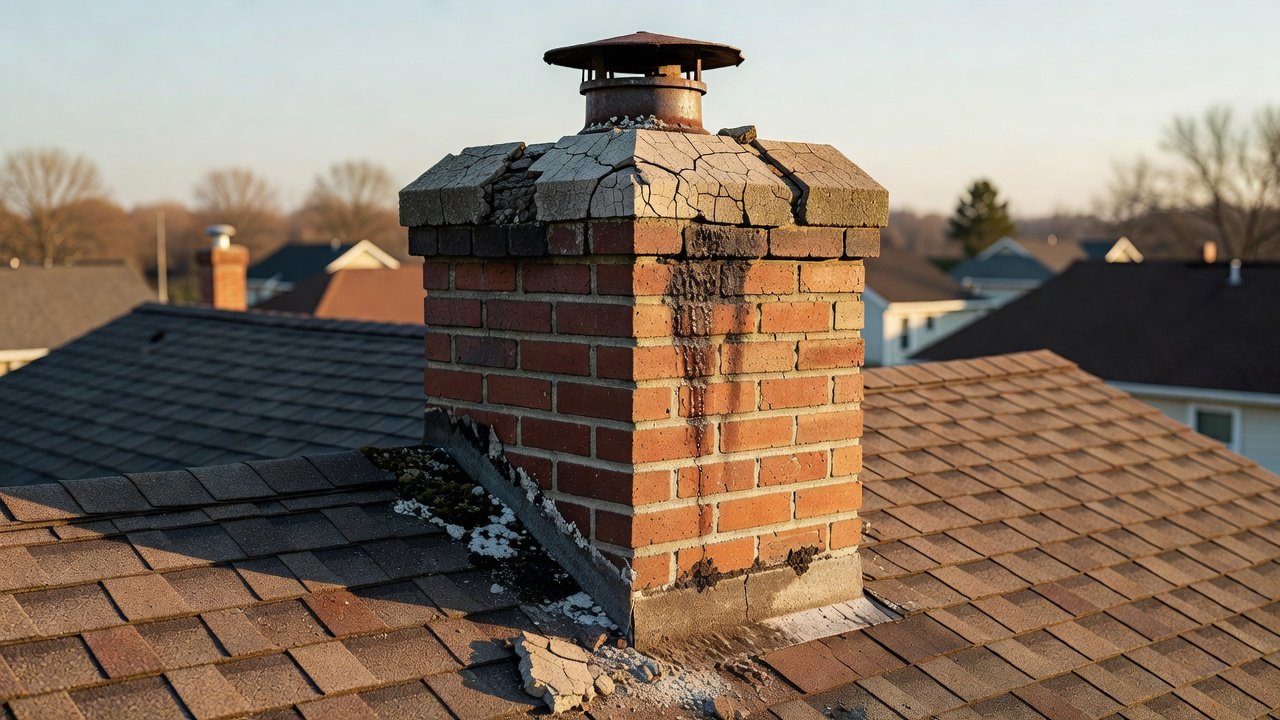
A cracked flue tile found in January. A mortar joint that’s been soft since last winter. A chimney crown that allowed water in all spring. These aren’t simply cosmetic problems. They can develop into serious chimney damage and create safety concerns if they’re left unaddressed.
In Bayswater and across Far Rockaway, older homes with original masonry chimneys can face a familiar pattern: deferred maintenance, worsening damage, and increasingly expensive repairs. This guide walks you through the chimney repair process from the initial inspection to the completed work, so you know what to expect at each stage.
Before You Start
Don’t go up on the roof yourself.
Chimney inspection and repair can require ladder access, proper safety equipment, and specialized knowledge of what to look for inside a chimney. A quick inspection from the ground cannot reveal everything.
What appears to be surface staining could indicate water infiltration. A small visible crack could also be part of more extensive flue deterioration.
NFPA 211 calls for a Level 2 inspection in certain situations, including changes to an appliance or fuel type and events that may have affected the chimney. A Level 2 inspection is also appropriate when purchasing a home where the chimney’s condition has not been adequately evaluated.
In Bayswater, where many homes date from the mid-20th century, some chimneys may have gone years without a professional inspection. A proper assessment should be the starting point.
Step 1: Schedule a CSIA-Certified Inspection First
Before accepting a repair quote, get an accurate assessment of the damage.
A CSIA-certified chimney professional can evaluate the firebox, smoke chamber, flue liner, chimney crown, flashing, and accessible exterior masonry.
Far Rockaway properties can also experience additional exposure from coastal conditions combined with New York winters. Those conditions can contribute to deterioration of masonry, mortar, and other chimney components.
The source estimates that a Level 1 inspection typically costs $150 to $250, while a Level 2 inspection with camera equipment generally runs $250 to $450.
The inspection helps determine whether you’re dealing with a relatively small repair, such as crown work, or a much larger problem involving the flue liner.
Step 2: Understand What the Inspection Report Is Telling You
Chimney inspection reports use specific terminology, and understanding those findings can help you determine which repairs need immediate attention.
Deteriorated Flue Liner
The flue liner helps separate combustion gases from the surrounding chimney structure and building materials.
Cracked tiles, gaps, or missing sections can indicate a compromised liner. The source emphasizes that significant liner damage should be addressed before the fireplace is used again.
This can be particularly important in homes where oil or gas heating systems are connected to the chimney.
Chimney Crown Damage
The chimney crown helps protect the masonry from water. Cracks or deterioration can allow moisture into the chimney structure.
Queens receives substantial rainfall throughout the year, so a damaged crown can contribute to ongoing water intrusion. Ask the technician to explain whether crown damage is affecting the chimney’s safe operation or represents a maintenance issue that can be scheduled separately.
Flashing Problems
Flashing protects the connection between the chimney and roof. When it fails, water can enter around the chimney and eventually cause damage to roofing materials, framing, or interior ceilings.
Ask the technician to identify the specific source of water intrusion rather than simply recommending a general repair.
Step 3: Get Itemized Repair Quotes
A reputable chimney repair contractor should provide a written estimate that clearly identifies the work being recommended.
Depending on the problem, the estimate may distinguish between:
- Mortar repointing
- Stainless steel liner installation
- Cast-in-place liner work
- Crown repair or replacement
- Flashing repair or replacement
- Chimney reconstruction above the roofline
The source gives these approximate repair ranges for Far Rockaway and the broader Queens market:
| Repair | Typical Range |
|---|---|
| Mortar repointing | $500 – $2,500 |
| Chimney crown replacement | $400 – $900 |
| Stainless steel liner installation | $2,000 – $5,000 |
| Flashing repair or replacement | $300 – $1,000 |
| Full chimneys rebuild above roofline | $1,500 – $4,500 |
These are general ranges rather than guaranteed prices. The actual cost depends on the chimney’s condition, size, accessibility, and the extent of the repair.
Get at least two written estimates before committing to major work.
If a contractor skips the inspection and immediately gives you a repair price, consider that a warning sign.
Step 4: Confirm Permits and Compliance for NYC Work
Work in Far Rockaway falls under New York City Department of Buildings jurisdiction.
Some chimney repairs may require permits or licensed contractors, particularly work involving liner replacement or other substantial modifications.
Before work begins, ask:
- Does this project require a permit?
- Who will obtain the permit?
- Is the contractor properly licensed for the work?
- Will the completed work comply with applicable NYC requirements?
Getting these questions answered before work starts can help prevent problems later, particularly if you sell the property.
Step 5: Prepare Your Home for the Work Day
Chimney repairs can create dust and debris both inside and outside the house.
Before the crew arrives:
- Remove decorative items from the fireplace mantel.
- Move or cover furniture near the firebox.
- Provide clear access to the chimney.
- Discuss where ladders or scaffolding will be placed.
- Protect landscaping and shared access areas where necessary.
If the work involves the firebox or smoke chamber, some dust may still be present even when the contractor uses protective coverings.
For exterior masonry work, ask how the crew will protect nearby landscaping, driveways, and other property.
Step 6: Review the Completed Work Before Final Payment
Before making the final payment, walk through the completed work with the technician.
For crown repairs, check that the finished crown slopes away from the flue so water can drain rather than collect.
For mortar repointing, the new joints should be properly tooled and reasonably consistent with the surrounding masonry.
For liner installations, ask for photographs documenting the completed installation and the liner’s termination points.
Keep copies of:
- The original inspection report
- Before-and-after photographs
- Repair documentation
- Materials used
- Warranty information
- Final invoice
Having this information available can make future inspections and repairs easier.
Step 7: Set a Regular Maintenance Schedule
NFPA 211 recommends regular chimney inspections for chimneys in use.
For Bayswater homeowners, regular inspections can be particularly useful because older building stock and coastal exposure can contribute to ongoing wear.
The purpose of routine inspection is to identify smaller problems before they develop into major repairs.
Troubleshooting Tip: When the Repair Didn’t Hold
If you’ve had mortar repointing completed and white staining known as efflorescence returns within one season, don’t assume the new mortar is automatically the problem.
Efflorescence occurs when water moves through masonry and carries dissolved minerals toward the surface. The staining can therefore be a symptom of continuing moisture intrusion.
The underlying water source may be a damaged crown, failed flashing, or another entry point.
Before paying for another round of mortar work, ask the contractor to identify where the water is entering the chimney.
Schedule Your Chimney Inspection in Bayswater
Ridgewood Chimney serves homeowners throughout Far Rockaway, Bayswater, and surrounding Queens and Bergen County communities.
If your chimney hasn’t been inspected in more than a year, or if you purchased your home without documentation showing the chimney’s condition, a professional inspection can give you a clearer picture of what needs attention.
Contact Ridgewood Chimney for a free inspection estimate.
We’ll assess the condition of your chimney, explain what needs repair, and help you understand which work should be addressed first.
James Whitfield, CSIA Certified Chimney Sweep
Senior Sweep Technician
CSIA-certified with over a decade of professional chimney and fireplace service.
Related from Far Rockaway Chimney: Chimney Repair in Far Rockaway — Stop a Small Crack from Becoming a Co