
Chimney Damper Repair in Far Rockaway, NY: Common Problems and What They Mean
A chimney damper that sticks, a fireplace that smells musty after rain, or cold air entering your living room when the fireplace is not in use can all point to a problem with the damper or another part of the chimney system.
For homeowners considering chimney damper repair in Far Rockaway, NY, the first step is identifying the actual cause. A worn hinge, damaged seal, obstructed flue, or water leak may produce similar symptoms but require different solutions.
This guide explains six common chimney damper problems, what may cause them, and what to ask a qualified technician before approving a repair.
Why the chimney damper matters
A traditional throat damper is located above the firebox, while a top-mounted damper sits near the chimney top. Both help control airflow through the fireplace when open and limit unwanted airflow when closed.
A properly functioning damper is important for fireplace operation, but it is not the only component responsible for safe ventilation. The flue, chimney structure, and appliance must also be in suitable condition.
A damper that will not open properly can restrict the path smoke needs to follow out of the house. A damper that remains open or fails to seal can allow cold air and odors to enter the living space. Rain and animals may also enter through an inadequately protected chimney opening.
Never light a fire unless you have confirmed that the damper is fully open. If the damper is stuck closed, smoke enters the room, or you suspect the flue is blocked, do not use the fireplace until the problem has been assessed. If a carbon monoxide alarm sounds or anyone experiences possible carbon monoxide exposure, leave the building and contact emergency services.
Six common chimney damper problems
1. The damper will not open or close fully
If the handle or control moves only partway, the damper mechanism may be obstructed, worn, corroded, or damaged.
On a traditional throat damper, the hinge, pivot points, plate, or frame may have deteriorated. On a top-mounted model, the cable, spring, or other operating components may be damaged.
Debris or another obstruction can also prevent normal movement. A technician should inspect the mechanism and determine whether adjustment, a component repair, or replacement is appropriate.
What to ask: Is the plate itself damaged, or can the existing mechanism be repaired? Ask the technician to demonstrate that the damper opens and closes properly after the work.
Periodic chimney inspections can help identify deterioration before it becomes more extensive. The appropriate inspection scope depends on the chimney’s condition and whether its use has changed.
2. Smoke enters the room when you start a fire
Smoke spilling into the living room is a warning sign that should not be ignored. A partially closed damper or restricted flue may be responsible, but other causes are possible.
Poor draft, a blocked chimney, a cold flue, inadequate replacement air, or a problem with the fireplace’s design can also cause smoke to enter the room.
A technician should check that the damper opens fully, assess the flue for obstructions, and investigate the fireplace’s draft and ventilation. The inspection should identify the cause rather than assume that replacing the damper will solve the problem.
What to do: Stop using the fireplace if smoke spills into the room. Do not attempt to correct the problem by repeatedly lighting fires or experimenting with the damper while a fire is burning. Arrange a professional assessment before using it again.
3. Cold air keeps entering when the fireplace is not in use
A persistent draft through the fireplace may indicate that the damper is not closing or sealing adequately. A worn plate, damaged seat, misaligned mechanism, or deteriorated seal on a top-mounted model may contribute.
However, a draft does not automatically prove that the damper has failed. Air pressure differences, inadequate household ventilation, and other chimney conditions can also affect airflow.
A technician can inspect the damper’s condition and closing action, check for visible gaps, and determine whether a repair or replacement is justified.
A top-mounted damper may provide a tighter seal than some traditional throat dampers, depending on the design and condition of the installation. Whether it is a suitable replacement depends on the chimney configuration and the work required to install it.
4. Water stains appear inside the firebox
Water stains, damp masonry, or deteriorating mortar around the firebox may indicate moisture entering the chimney. A missing, damaged, or poorly sealing damper can be one possible contributor, but it is not the only explanation.
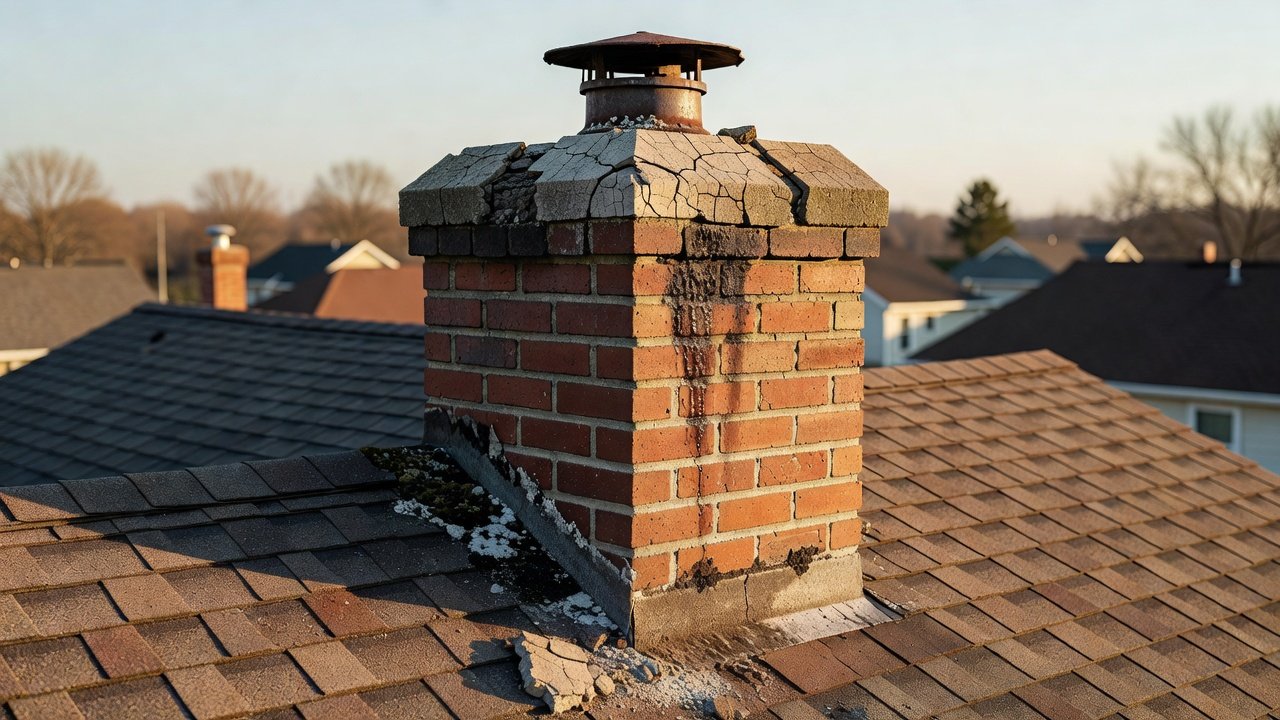
Other potential sources include a damaged chimney crown, faulty roof flashing, cracked masonry, or rain entering through the chimney opening.
A technician should inspect the likely entry points and determine whether the water is coming from the top of the chimney, the roof connection, or another area. Simply replacing the damper may not resolve the problem if the actual leak is elsewhere.
Why it matters: Repeated moisture exposure can contribute to corrosion, mortar deterioration, and damage to other chimney components. Identifying and correcting the source is more effective than treating the water stains alone.
5. The damper rattles or vibrates in windy weather
Rattling sounds near the fireplace during windy conditions may come from a loose plate, worn hinge, damaged operating mechanism, or another component moving inside the chimney.
Wind-related noise does not necessarily mean the damper is about to fail, but it is worth investigating—especially if the damper no longer stays in position or has become difficult to operate.
A technician can examine the plate, frame, hinges, and operating controls to determine whether tightening, adjustment, or replacement is appropriate.
Avoid attempting to secure or repair components inside the chimney yourself. Some repairs require working at height or accessing areas where safe inspection is difficult.
6. Animal odors or debris appear in the firebox
Twigs, nesting material, droppings, unusual odors, or animal sounds may indicate that wildlife has entered the chimney. A faulty or open damper can contribute, but animals may also enter through an inadequately protected chimney opening or another access point.
Nesting material and other debris can obstruct the flue, potentially interfering with ventilation. Before using the fireplace again, have the chimney assessed and any obstruction addressed by a qualified professional.
Depending on the findings, the work may involve debris removal, damper repair, or installation of a suitable chimney cap.
Important: Check for active nests before arranging wildlife removal or installing a cap. Chimney swifts are protected under the Migratory Bird Treaty Act, and their nests and eggs may not be disturbed lawfully. <Cite refs={[“turn469878search1″,”turn469878search60”]}/>
Ask the contractor how they will confirm that the flue is clear and what type of cap is appropriate for your chimney. The solution should address the entry point without creating a new obstruction or interfering with the chimney’s proper operation.
What should happen during a damper repair visit?
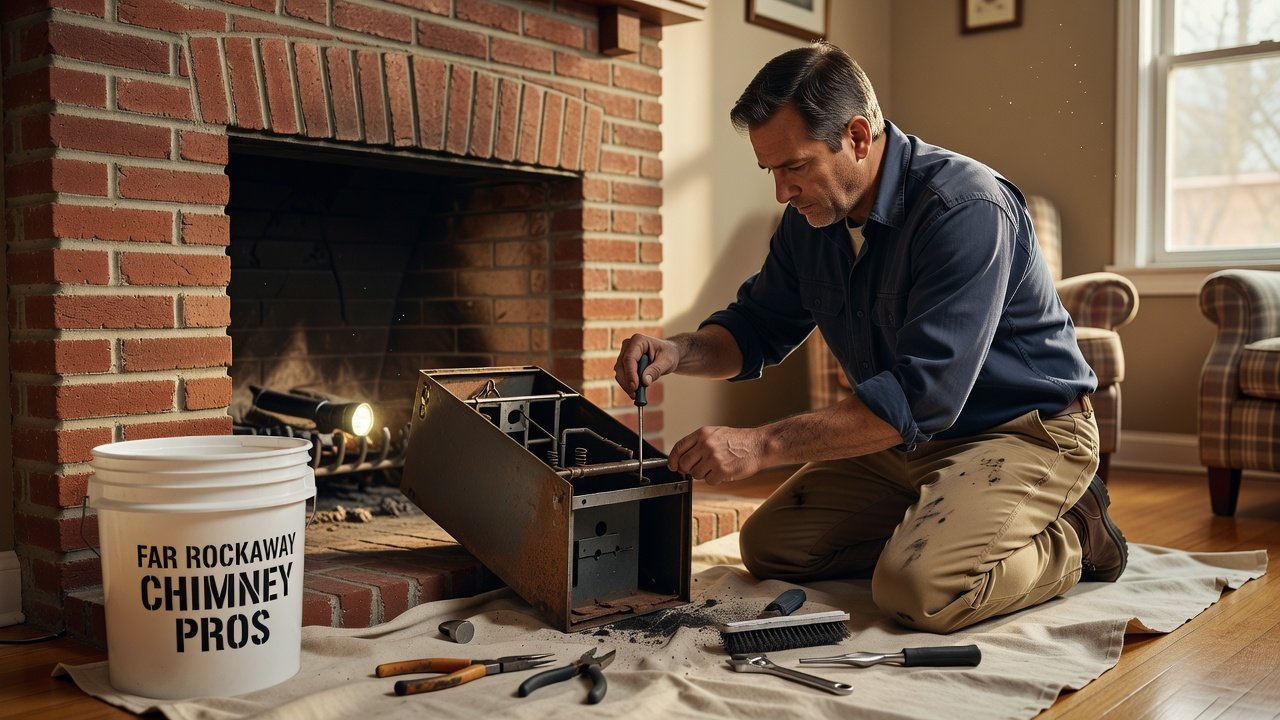
The inspection and repair process should be based on the reported symptoms and the condition of the chimney. A technician should not automatically replace the damper without checking whether it is actually responsible for the problem.
Depending on the issue, the visit may include:
-
Examining the damper plate, frame, hinges, cable, handle, and other accessible operating components.
-
Checking whether the damper opens and closes correctly.
-
Inspecting accessible portions of the firebox and chimney for debris, moisture, or visible damage.
-
Assessing whether the reported symptoms may involve draft, ventilation, or another chimney component.
-
Explaining the recommended repair and providing a written estimate before work begins.
CSIA describes different inspection levels for different circumstances. A Level 1 inspection is generally appropriate when the chimney’s use remains unchanged and the system is accessible. A Level 2 inspection may be needed when conditions warrant a more extensive evaluation, such as after a suspected chimney fire, an operating malfunction that may have caused damage, a change in appliance or fuel, or a property transfer. Level 2 includes additional accessible-area checks and an interior video scan when required and feasible.
Ask the technician which inspection level is appropriate for your situation and why. If the symptoms suggest a blocked or damaged flue, make sure the recommended inspection is sufficient to investigate that concern.
How much does chimney damper repair cost?
The cost depends on the damper type, the extent of the damage, the accessibility of the components, and whether additional chimney work is needed.
Published national cost guides provide broad estimates, but they should not be treated as confirmed prices for Far Rockaway or the wider Queens area. One 2026 cost guide places damper replacement broadly between $120 and $700, with the actual price depending on the type and severity of the problem.
Common cost categories include:
-
Minor repairs or adjustments: The cost depends on whether the problem can be resolved through adjustment or requires replacement parts.
-
Throat damper replacement: The price varies with the size and design of the damper, access to the assembly, and the amount of labor involved.
-
Top-mounted damper replacement or installation: Costs depend on the damper model, chimney dimensions, roof access, and whether the work includes a suitable cap.
-
Additional chimney repairs: Water damage, obstructions, damaged masonry, or liner problems may require separate work beyond the damper itself.
Before approving a repair, request an itemized written estimate that explains the diagnosis, parts and labor, any additional work, and the warranty. Ask whether testing the damper’s operation after the repair is included.
A higher quote is not necessarily better, and a lower quote is not necessarily a bargain. Compare the scope of work and the materials being proposed rather than relying on the headline price alone.
Frequently asked questions about chimney damper repair
How do I know whether the damper needs repair or replacement?
The decision depends on the condition of the plate, frame, operating mechanism, and any seals. Some problems may be resolved through adjustment or replacement of a component; severely deteriorated or damaged assemblies may need full replacement. Ask the technician to explain the findings and show you the evidence where safely possible.
Can I use my fireplace if the damper is broken?
If the damper cannot open fully, do not use the fireplace. A restricted flue can prevent smoke from escaping properly. If the damper will not close or seal correctly, the fireplace may also allow drafts and odors into the home. Have the problem assessed before using the system again.
Does homeowners insurance cover chimney damper repair?
Coverage depends on the policy and the circumstances that caused the damage. A policy may treat sudden damage from a covered event differently from deterioration caused by ordinary wear, corrosion, or lack of maintenance. Review your policy and contact your insurer before assuming the repair will be covered.
How often should I have my chimney inspected?
CSIA recommends annual inspections of chimneys, fireplaces, and vents. The need for cleaning or repairs depends on the condition of the system and how it is used. An annual inspection does not mean that every damper requires annual replacement or repair.
Arrange a chimney damper assessment in Far Rockaway, NY
If your damper sticks, cold air enters through the fireplace, water stains are appearing, or smoke spills into the room, arrange a professional assessment before using the fireplace if safe operation is in doubt.
Ridgewood Chimney is identified here as serving Far Rockaway and the surrounding area. Before publication, confirm the company’s service area, current inspection fees, availability, and booking details.
A proper assessment should help establish whether the damper is the source of the problem, what work is necessary, and whether other parts of the chimney need attention. Request a clear explanation and written estimate so you can make an informed decision before approving repairs.
Related from Far Rockaway Chimney: Chimney Repair in Far Rockaway · Chimney Repair in Far Rockaway