

Chimney Flue Problems That Get Worse Every Month You Wait — Cedarhurst and Far Rockaway Homeowners, Take Note
Most chimney problems don’t announce themselves until something goes wrong. You may notice a smoky living room, a persistent creosote smell, or a liner crack discovered during a home inspection. By then, a cleaning that might have cost $200 in September could have turned into a liner repair costing $1,500 or more. Timing matters with flue maintenance, especially in older homes throughout Cedarhurst and the Far Rockaway area. This guide explains the most common flue problems, what causes them, how they are addressed, and why putting off an inspection can make the repair more expensive.
Why the Flue Is the Part That Gets Neglected
The flue is the vertical channel inside your chimney that carries combustion gases, carbon monoxide, water vapor, and particulates out of your home. When it works properly, most homeowners never think about it. When it fails, however, it can contribute to carbon monoxide exposure or a chimney fire.
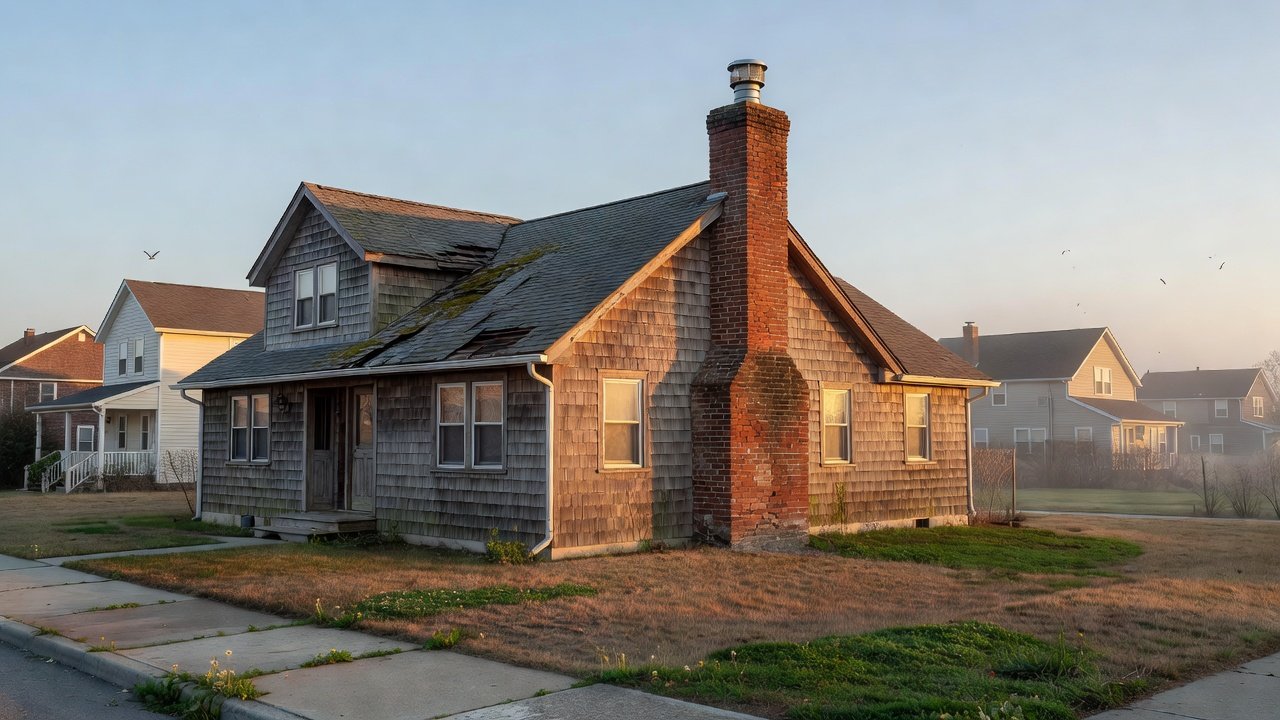
NFPA 211 calls for regular inspection of chimneys and related venting systems, with cleaning performed when deposits or other conditions require it. The Chimney Safety Institute of America (CSIA) follows the same basic safety approach. Older Cedarhurst homes, particularly properties built in the 1940s and 1950s, may still have terra cotta tile liners that have experienced decades of thermal cycling and moisture exposure.
A cracked liner can reduce the chimney’s ability to contain heat and combustion gases. That makes regular inspection especially important for older systems.
Six Real Problems, Diagnosed and Fixed
1. Creosote Buildup at Stage Two or Three
Symptom: Sticky, tar-like residue on the damper, a strong petroleum-like smell, or heavy deposits inside the flue.
Cause: Incomplete combustion can accelerate creosote formation. Burning wet wood, operating fires at low temperatures, and using an oversized flue can all contribute to buildup.
Fix: A Level 2 inspection with video scanning may be appropriate when significant buildup or other concerns are present. Hardened or glazed deposits can require specialized treatment before mechanical removal.
Prevention: Burn properly seasoned hardwood and avoid prolonged smoky, low-temperature fires. A wood moisture meter can help verify that firewood is adequately seasoned.
2. Cracked or Spalled Terra Cotta Liner Tiles
Symptom: Tile fragments in the firebox, efflorescence on the exterior masonry, or draft problems that continue after cleaning.
Cause: Years of thermal cycling can cause terra cotta tiles and their joints to deteriorate. Water intrusion can accelerate the process, particularly when a chimney cap is missing or damaged.
Fix: A Level 2 video inspection can identify the location and severity of liner damage. Depending on the condition, repair or relining may be recommended. The source material places a typical stainless steel relining project in the Cedarhurst area at approximately $1,800 to $3,500, depending on flue length and diameter.
Prevention: Have the chimney cap inspected regularly and replace a damaged cap promptly.
3. Blocked Flue From Nesting
Symptom: Smoke rolling back into the room, an organic smell before the first fire of the season, or animal sounds coming from the chimney.
Cause: Birds and other animals can enter an uncapped or damaged chimney and build nests inside the flue. Nesting material can restrict airflow and create a combustible blockage.
Fix: Once legally and safely removable, nesting material should be cleared by a qualified professional. A chimney sweep can then clean the flue and install an appropriate chimney cap with mesh protection.
Prevention: A properly fitted chimney cap is one of the most effective ways to prevent animals from entering the flue.
4. Damaged or Seized Damper
Symptom: Difficulty opening or closing the damper, visible rust, or a damper that does not fully seal.
Cause: Moisture, corrosion, age, and accumulated debris can cause damper components to deteriorate.
Fix: Minor rust may be cleaned and pivot points lubricated. A damaged or missing damper may need replacement. Top-mounted dampers can also provide both draft control and protection from weather.
The source material places professional top-mounted damper installation at approximately $200 to $400.
Prevention: Keep the damper properly closed when the fireplace is not in use and have it checked during regular chimney inspections.
5. Mortar Joint Deterioration at the Crown
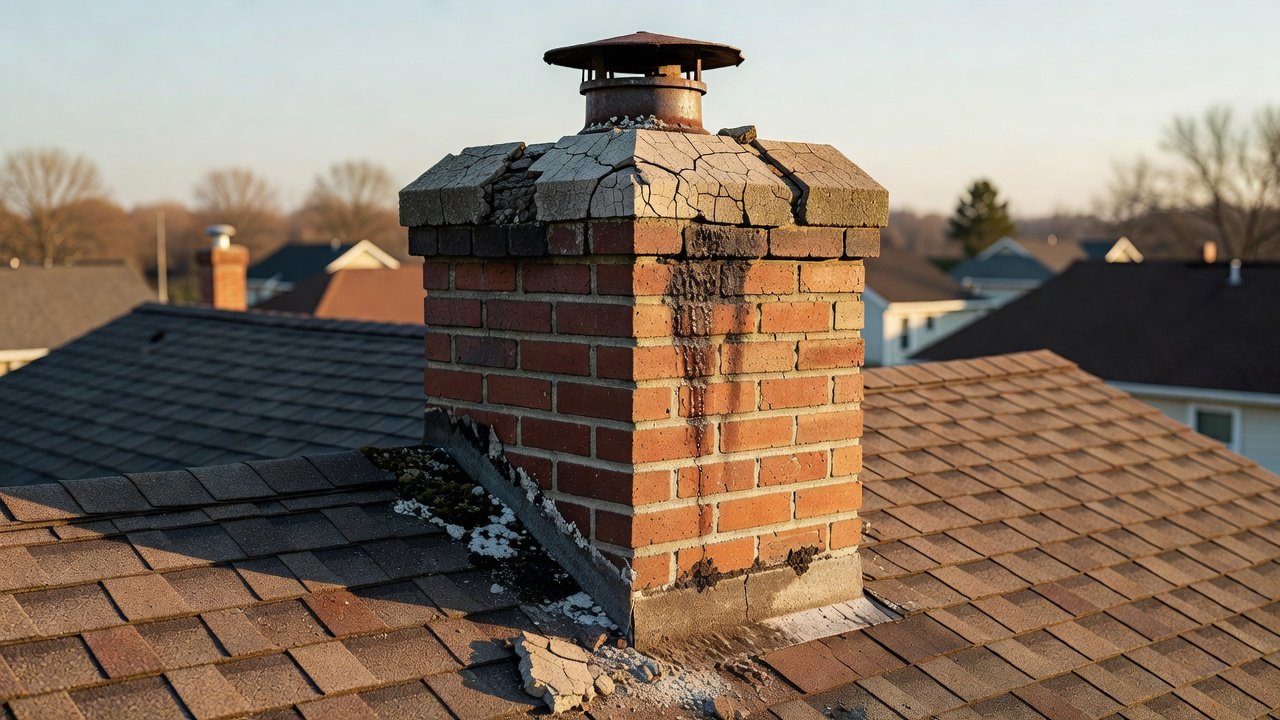
Symptom: Cracking or crumbling around the top of the chimney, white streaks on the masonry, or water appearing in the firebox after heavy rain.
Cause: The crown protects the top of the chimney structure from water. Constant weather exposure can cause it to crack and deteriorate.
Fix: Minor cracks may be sealed with a flexible crown coating. More extensive deterioration may require crown repair or replacement. The source material places a standard crown replacement at approximately $350 to $600.
Prevention: Regular crown inspections and appropriate waterproofing can help reduce moisture-related deterioration.
6. Draft Reversal and Smoke Spillage
Symptom: Smoke enters the room even when the damper is open and the flue is clean.
Cause: Draft reversal can have several causes, including an improperly sized flue, negative pressure inside the home, or a chimney that does not extend sufficiently above the roofline.
Each cause requires a different solution. A cleaning alone will not necessarily correct a draft problem.
Fix: A technician needs to identify the actual cause before recommending a repair. Possible solutions include adjusting the flue height, addressing negative pressure, or modifying the flue system during relining.
Prevention: Have draft performance evaluated after major renovations or changes that affect the home’s ventilation or air sealing.
When to Book and What Waiting Actually Costs
Late August through mid-October can be a practical time to schedule chimney service because homeowners are preparing for the heating season. Waiting until the first cold weather can mean longer appointment times.
For the Cedarhurst area, the source material places a standard single-story chimney cleaning at approximately $180 to $260. A Level 2 camera inspection may add another $100 to $200.
Those maintenance costs are considerably different from the cost of repairing damage after a chimney fire or prolonged moisture intrusion. Addressing a problem while it is still limited can help prevent a much larger repair later.
Schedule Before the Season Gets Away From You
Ridgewood Chimney serves Cedarhurst, Far Rockaway, and surrounding communities with chimney inspection and maintenance services.
If your flue has not been inspected this year, or you’ve noticed creosote buildup, liner debris, draft problems, moisture, or a damaged damper, schedule an inspection before using the fireplace. A professional assessment can help identify what needs attention now and what can safely wait.