

Fact-Checked
Source Material Verified
The Right Time to Have Creosote Removed from Your Chimney in Far Rockaway
Most homeowners in Far Rockaway don’t think about creosote until they’re ready to light the first fire of the season. Unfortunately, that’s often the worst possible time to discover your chimney needs attention.
By October, chimney companies across Queens and nearby Nassau County are already booking weeks in advance. If your chimney hasn’t been cleaned since last winter, you may find yourself waiting for an appointment while your fireplace sits unused or worse, using it before it’s been inspected.
The truth is that timing plays a major role in chimney maintenance. Scheduling creosote removal at the right time not only helps reduce fire risks but can also save money by preventing heavier buildup that requires more extensive cleaning.
Here’s what Far Rockaway homeowners should know.
What Is Creosote?
Every time you burn wood, smoke travels up the chimney carrying tiny particles of unburned gases and moisture. As the smoke cools inside the flue, those particles condense onto the chimney walls, creating a highly flammable substance called creosote.
Creosote develops in three stages:
- Stage 1: A light, powdery coating that’s relatively easy to remove during a routine chimney sweep.
- Stage 2: A thicker, tar-like buildup that usually requires specialized rotary cleaning equipment.
- Stage 3: A hard, glazed coating that is extremely difficult to remove and presents the highest chimney fire risk.
The longer creosote remains inside the flue, the harder it becomes to remove.
According to the National Fire Protection Association (NFPA 211), chimneys should be inspected at least once every year and cleaned whenever creosote reaches unsafe levels. Waiting several seasons between cleanings significantly increases both the cleaning cost and the potential fire risk.
Why Far Rockaway Chimneys Build Creosote Faster
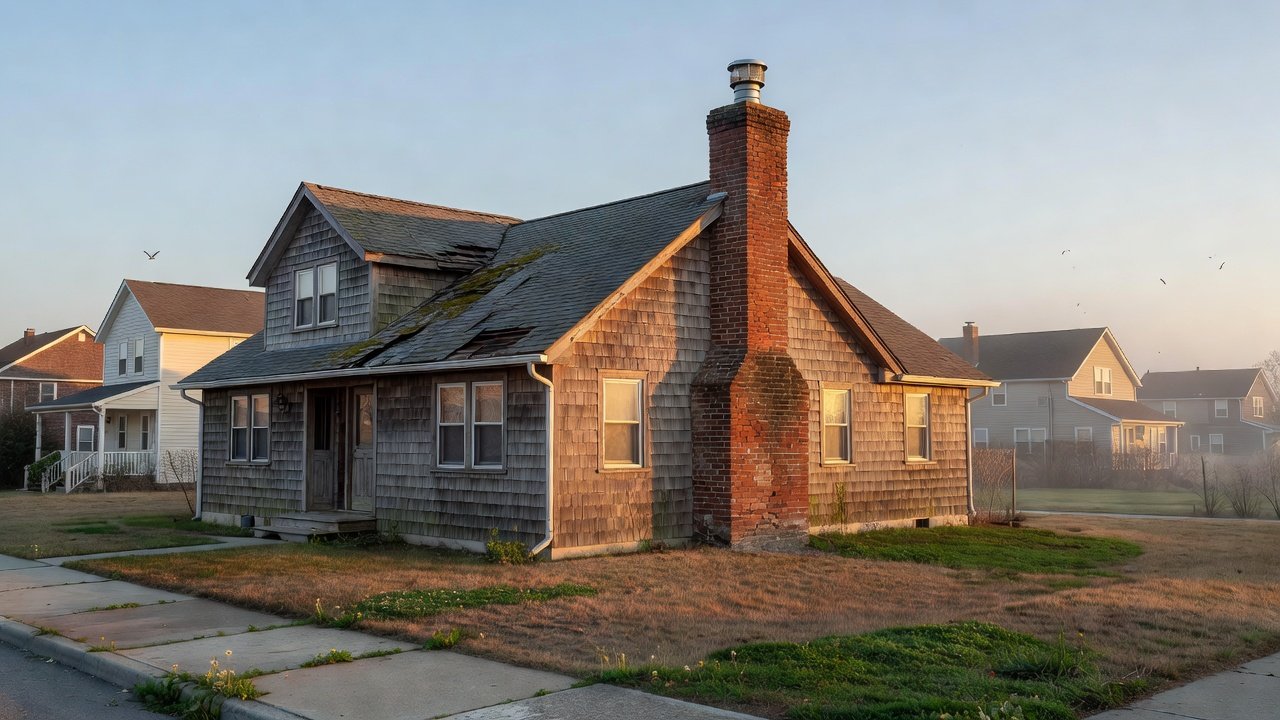
Far Rockaway’s coastal location creates conditions that can be especially hard on chimney systems.
Salt air, high humidity, ocean winds, and frequent freeze-thaw cycles all contribute to faster deterioration of masonry and chimney liners. Moisture also combines with creosote deposits, allowing them to harden over time.
Many homes throughout neighborhoods near Mott Avenue, Beach Channel Drive, and the Rockaway Peninsula were built decades ago and still contain older clay tile liners. These rough masonry surfaces naturally collect more creosote than modern stainless-steel liners.
If your fireplace is used regularly throughout the winter, heavy buildup can occur in just one heating season.
Spring Is the Best Time to Schedule Creosote Removal
For most Far Rockaway homeowners, late April through early June is the ideal time to schedule chimney cleaning. After winter ends, all of the season’s creosote is still fresh and easier to remove.
Waiting until fall allows those deposits to continue hardening throughout the hot summer months, making cleaning more difficult and sometimes more expensive.
Spring appointments also offer several advantages:
- Better scheduling availability
- More time to complete any needed repairs
- Easier inspection of chimney crowns, caps, flashing, and liners
- Less chance of emergency repairs before winter
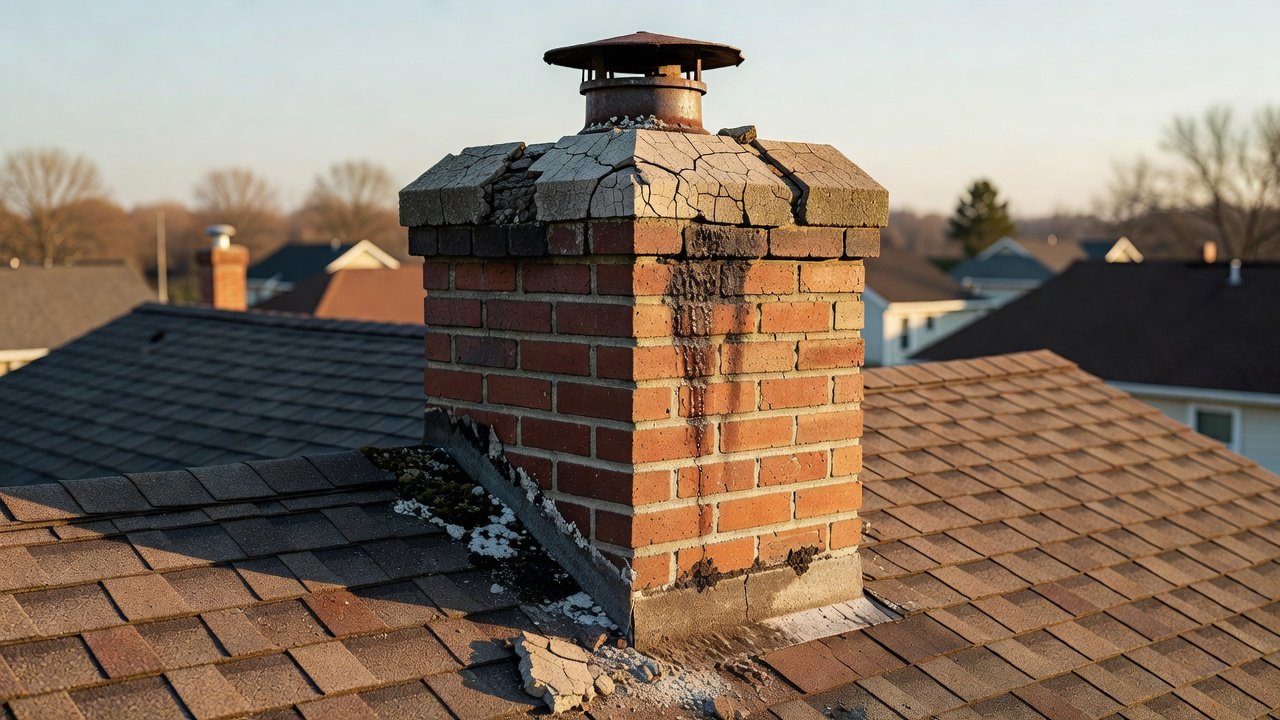
If your technician finds cracked mortar, water damage, or a damaged chimney cap, you’ll have the entire summer to address those issues before temperatures drop.
Summer Is Still a Smart Time to Book
If spring slips by, summer is still an excellent option. Most chimney companies haven’t yet reached their busy season, making appointments easier to schedule.
Summer is also ideal for completing repairs identified during a spring inspection, including:
- Crown repairs
- Chimney cap replacement
- Flashing repairs
- Masonry repointing
- Damorter repairs
- Chimney liner work
Warm, dry weather allows masonry materials to cure properly, resulting in longer-lasting repairs. By late August, however, many companies begin filling their fall calendars.
Why Waiting Until Fall Can Cost More
September and October are the busiest months for chimney professionals throughout Queens. As temperatures begin to drop, homeowners suddenly remember their fireplace hasn’t been serviced.
The result is predictable:
- Longer wait times
- Reduced appointment availability
- Increased demand
- Less flexibility if repairs are needed
More importantly, lighting a fireplace before removing accumulated creosote increases the risk of a chimney fire. Creosote is highly combustible, especially Stage 2 and Stage 3 buildup.
A chimney fire can exceed 2,000°F, hot enough to crack clay flue liners and potentially ignite nearby combustible framing. If you’re reading this during the fall and haven’t scheduled a cleaning yet, don’t wait until after the first fire.
Winter Cleanings Are Still Possible
Many homeowners assume chimney cleaning can’t be performed during winter. That’s not true. Professional chimney sweeps can safely remove creosote year-round.
The biggest challenge is scheduling around fireplace use. For a proper inspection and cleaning, the chimney should remain completely cool for at least 24 hours before your appointment.
Winter is also when technicians are most likely to encounter hardened Stage 3 creosote, particularly in chimneys where:
- Green or unseasoned wood has been burned
- Fires regularly smolder instead of burning hot
- Annual maintenance has been skipped
Removing heavy glazed creosote sometimes requires chemical treatment before mechanical cleaning can begin, making the process more time-consuming and increasing overall costs.
What Happens If You Keep Delaying Chimney Cleaning?
Skipping one cleaning doesn’t usually create an immediate emergency. Skipping several often does. Over multiple seasons, creosote continues accumulating while moisture enters small cracks inside the chimney. Far Rockaway’s coastal weather speeds up this deterioration.
Eventually, homeowners may face:
- Heavy Stage 3 creosote
- Cracked flue liners
- Masonry deterioration
- Water intrusion
- Poor fireplace draft
- Carbon monoxide concerns
- More expensive chimney repairs
What could have been a routine maintenance visit becomes a much larger repair project.
How Much Does Creosote Removal Cost?
Most homeowners in the Far Rockaway area can expect to pay approximately:
| Service | Typical Cost |
|---|---|
| Level 1 inspection with chimney cleaning | $180–$280 |
| Heavy Stage 2 creosote removal | Higher depending on buildup |
| Stage 3 chemical treatment and cleaning | Typically $100–$200 above a standard cleaning |
| Level 2 inspection with camera | Additional cost depending on the chimney system |
The final price depends on several factors, including:
- Height of the chimney
- Number of flues
- Amount of creosote present
- Accessibility
- Overall chimney condition
Signs It’s Time to Schedule a Cleaning
Don’t wait until the heating season begins if you notice any of these warning signs:
- Strong smoky odor, especially during humid weather
- Black, shiny buildup visible inside the firebox
- Poor draft or smoke entering the room
- More than one year since the last inspection
- Burning mostly wood throughout winter
- Recently purchased an older home with an unknown chimney history
These symptoms don’t always indicate severe damage, but they should be evaluated before using the fireplace again.
Frequently Asked Questions
How often should a chimney be cleaned?
The NFPA recommends annual chimney inspections and cleaning whenever creosote buildup reaches unsafe levels. Homes that burn wood regularly typically benefit from yearly maintenance.
Is spring really better than fall?
Yes. Spring offers better scheduling availability, allows easier removal of fresh creosote, and provides plenty of time for repairs before the next heating season.
Can I remove creosote myself?
Light soot may be removable with homeowner chimney brushes, but heavy creosote—especially Stage 2 and Stage 3—requires specialized equipment and professional inspection to ensure the chimney is safe to use.
Why does my chimney smell worse during summer?
Warm, humid weather increases odors from existing creosote deposits. Air conditioning can also create negative pressure inside the home, pulling chimney odors into living spaces.
What kind of wood creates the most creosote?
Burning green or unseasoned wood, softwoods, or allowing fires to smolder produces significantly more creosote than burning properly seasoned hardwood.
Schedule Before the Busy Season
If your fireplace carried you through another Far Rockaway winter, now is the ideal time to have your chimney cleaned.
Scheduling before the fall rush means shorter wait times, easier access to appointments, and the opportunity to catch small problems before they become expensive repairs.
At Ridgewood Chimney, we provide professional chimney cleaning, creosote removal, and chimney inspections throughout Far Rockaway, Queens, and surrounding Nassau County communities. Our experienced technicians will evaluate your chimney, explain exactly what they find, and recommend only the work your system truly needs.
Whether your chimney needs a routine sweep or a more detailed inspection, scheduling now is the best way to start the next heating season with confidence.
Related reading
Carl Brennan, NFI Certified
Chimney Restoration Specialist
NFI-certified specialist in masonry repair, crown rebuilding, and chimney waterproofing.