Chimney Repair in Hewlett Neck
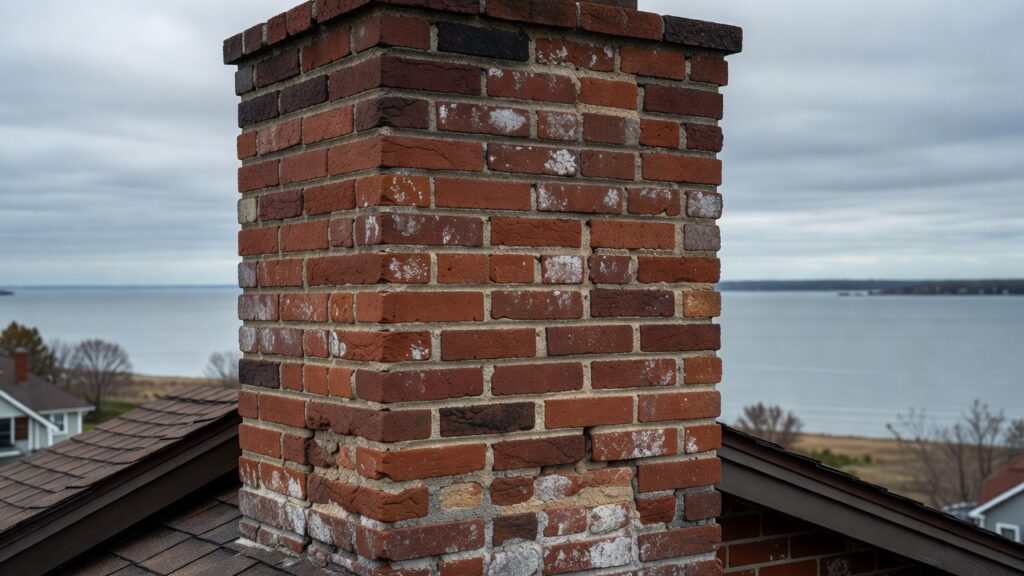
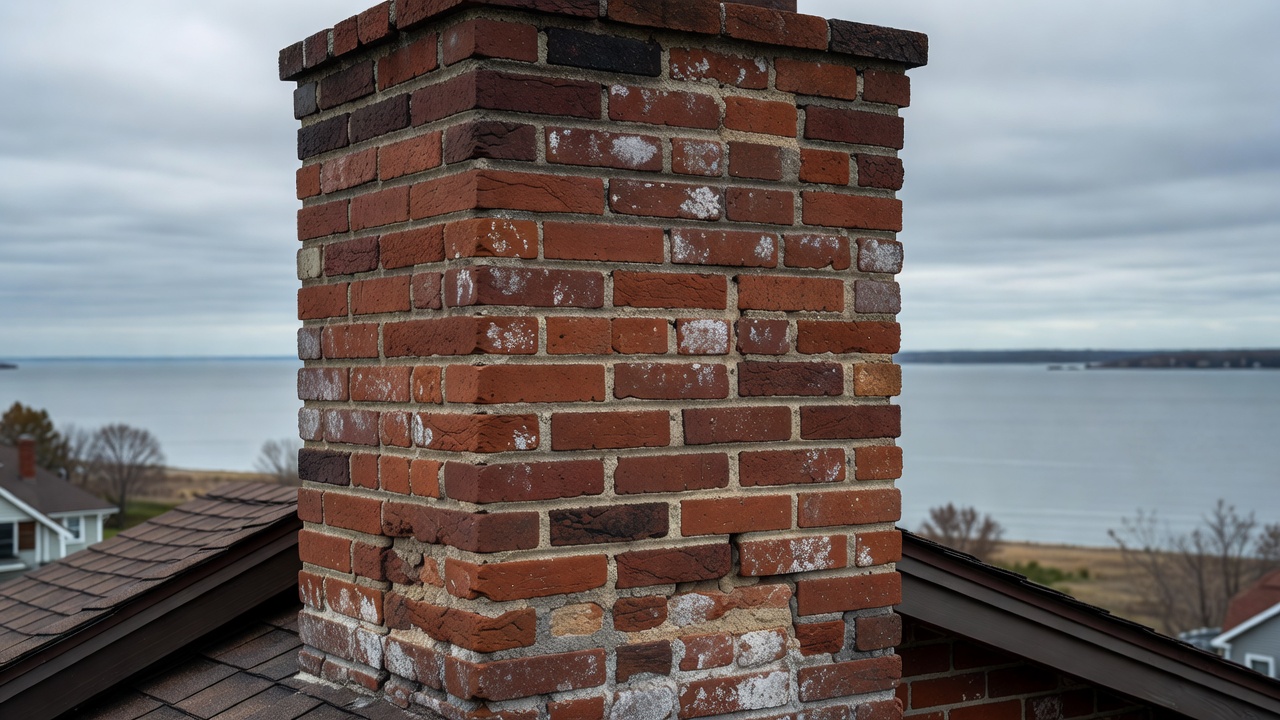
Far Rockaway Chimney provides chimney repair in Hewlett Neck, NY, and surrounding communities. If you have noticed spalling brick, deteriorating mortar joints, a cracked chimney crown, or white staining on the exterior masonry, it may be time to have your chimney evaluated.
Hewlett Neck is a waterfront village in Nassau County, where chimneys are exposed to seasonal weather, moisture, and temperature changes. These conditions can contribute to masonry deterioration over time. However, the cause of chimney damage is not always obvious from the exterior. A professional assessment can help determine whether the problem involves the mortar, brickwork, crown, flashing, or flue liner.
Why Chimneys in Hewlett Neck Need Regular Attention
Moisture is one of the main factors that can damage exterior masonry. Water can enter through cracked crowns, deteriorated mortar joints, damaged flashing, or porous brick. When moisture remains inside masonry and temperatures fall below freezing, repeated freeze-thaw cycles can contribute to cracking, mortar deterioration, and brick spalling.
Coastal exposure can also affect masonry. Salt deposits may contribute to deterioration when moisture carries soluble salts through brick and mortar. However, the extent of salt-related damage depends on the materials, exposure, and moisture conditions at the property. A contractor should identify the actual source of deterioration before recommending repairs.
Older masonry chimneys require particular care during restoration. Original mortar may be softer and more permeable than modern Portland cement-based mixes. Using mortar that is too hard can place additional stress on older bricks and contribute to damage. Repointing materials should be selected based on the existing masonry and original mortar characteristics.
Common Chimney Problems That May Require Repair
Chimney damage can develop in several areas. Identifying the affected component helps determine the appropriate repair.
-
Deteriorating mortar joints: Loose, cracked, or missing mortar can allow water to enter the chimney structure. Repointing may be appropriate when the surrounding bricks remain sound.
-
Spalling bricks: Flaking, peeling, or broken brick faces can indicate moisture-related deterioration or other masonry problems. Severely damaged bricks may need replacement.
-
Cracked chimney crown: The crown protects the top of the chimney from water entry. Cracks or deterioration can allow moisture to reach the masonry below.
-
Damaged flashing: Flashing seals the area where the chimney meets the roof. Failed or improperly installed flashing can allow water to enter the roof or nearby interior areas.
-
Missing or damaged chimney cap: A properly fitted cap helps limit rain entry and animal intrusion.
-
Flue liner damage: Cracked or displaced liner sections can affect the chimney’s ability to contain and vent combustion products safely. Further inspection may be needed to determine the extent of the damage.
Chimney Repair Services in Hewlett Neck
The correct repair depends on the chimney’s construction, condition, and source of damage. Common repair options include:
-
Tuckpointing and repointing: Removing deteriorated mortar and replacing it with a compatible mix.
-
Brick replacement: Removing and replacing damaged masonry units.
-
Chimney crown repair: Repairing or rebuilding a deteriorated crown to help protect the chimney from water entry.
-
Flashing repair or replacement: Addressing leaks around the chimney-to-roof connection.
-
Flue liner repair or replacement: Evaluating damaged liners and determining whether a suitable repair or new liner is necessary.
-
Chimney cap installation: Replacing missing or damaged caps to help limit water and animal entry.
-
Partial or full chimney rebuilding: Reconstructing sections that have deteriorated beyond practical repair.
-
Masonry waterproofing: Applying a suitable water-repellent treatment when the masonry condition and product specifications support its use.
A chimney repair assessment should begin with an examination of the visible masonry and other accessible components. If there are concerns about the liner, a camera inspection may help reveal cracks, gaps, or other interior damage.
Homeowners should receive an explanation of the findings and the recommended repair options before work begins. A written estimate should identify the proposed work and any additional inspection or repair costs.
When Is the Best Time to Schedule Chimney Repairs?
Spring through early fall can provide convenient conditions for many exterior masonry projects. However, the appropriate work period depends on the weather, materials, and manufacturer’s installation requirements.
Mortar needs suitable temperatures and protection while it cures. Cold weather can affect bonding and curing, while excessive heat and rapid drying can also create problems. Professional masons should follow the requirements for the specific mortar and protect new work from unsuitable conditions.
Some chimney problems should not wait for a preferred season. Significant structural movement, loose masonry, a damaged liner, or water entering the home may require prompt evaluation. If a chimney may be unsafe, avoid using the connected fireplace or appliance until a qualified professional has assessed it.
Serving Hewlett Neck and Nearby Nassau County Communities
Far Rockaway Chimney is presented as serving Hewlett Neck and surrounding South Shore communities. Homeowners in nearby areas such as Hewlett Bay Park, Hewlett Harbor, Woodmere, Lawrence, Cedarhurst, and Inwood can contact the company to confirm whether their addresses are within its current service area.
Because chimney repair involves work at height and may include structural masonry or venting components, ask about the contractor’s experience, insurance, and applicable Nassau County licensing before approving a project.
Frequently Asked Questions About Chimney Repair in Hewlett Neck
My chimney brick is turning white and crumbling near the base. Is this a waterproofing issue or a bigger structural problem?
White staining is commonly called efflorescence. It occurs when water moves through masonry and leaves soluble mineral deposits behind as it evaporates.
Efflorescence can indicate moisture movement, but it does not identify the source by itself. Possible causes include water entering through the crown, deteriorated mortar, flashing problems, or moisture near the foundation. Crumbling brick and mortar may indicate more advanced deterioration.
A professional should examine the affected area and identify the source of moisture before recommending repointing, brick replacement, drainage improvements, or waterproofing. Applying a sealant without correcting the underlying problem may not resolve the damage.
How do I know whether my chimney needs repointing or a full rebuild?
Repointing may be appropriate when the bricks remain structurally sound but the mortar joints have deteriorated. The damaged mortar is removed and replaced with a compatible mix.
A partial or full rebuild may be necessary when substantial sections of brick are severely spalled, courses have shifted, or the chimney has lost structural stability. The final decision depends on the extent and location of the damage.
A flue inspection may also be recommended when there are signs of liner damage. Masonry repairs and liner repairs address different parts of the chimney, so both should be evaluated when necessary.
Can salt-air damage be prevented, or can it only be repaired?
Coastal exposure can contribute to masonry deterioration, but the best approach depends on the source and severity of the damage. Keeping the crown, flashing, cap, and mortar joints in good condition can help reduce water entry.
A vapor-permeable water repellent may be suitable for some masonry after the surface has been properly evaluated and moisture problems have been addressed. It is not a substitute for repairing cracks, failed mortar, or defective flashing. The product should be compatible with the brick and mortar, and the manufacturer’s application instructions should be followed.
Periodic inspections can help identify deterioration before extensive repairs become necessary.
Schedule a Chimney Repair Assessment in Hewlett Neck
Cracked crowns, deteriorating mortar, spalling brick, damaged flashing, and suspected liner problems should be evaluated before they lead to more extensive damage. The right repair depends on identifying the source of the problem and choosing materials that are compatible with the existing chimney.
Far Rockaway Chimney is listed in the draft as serving Hewlett Neck and surrounding communities. Contact the company to confirm service availability, discuss your chimney concerns, and request an estimate.
Call Far Rockaway Chimney today to ask about chimney repair in Hewlett Neck, NY.
Related from Far Rockaway Chimney: Chimney Repair in Far Rockaway · Chimney Repair in Far Rockaway