
What Your Chimney Is Actually Telling You and When to Stop Guessing
Your chimney usually gives you clues before a small problem becomes a major repair. Smoke entering the room, white staining on the masonry, a damaged damper, spalling brick, and heavy creosote are all signs worth paying attention to. Some problems can be observed by a homeowner, while others require an inspection and specialized equipment to diagnose properly. For homeowners in Cedarhurst and Far Rockaway, knowing what these warning signs mean can help you decide when basic maintenance is enough and when it is time to call a professional.
Smoke Backing Into the Room
What you notice:
Smoke enters the room when you light a fire, even though the damper is open. The room may become smoky, your eyes may burn, or the fire may struggle to draft properly.
What’s likely causing it:
Several conditions can cause smoke to enter the living space.
A cold chimney can have poor initial draft until the flue warms up. A blockage can also restrict airflow. Leaves, animal nesting material, debris, or excessive creosote can interfere with the flue.
The fireplace and chimney also need to be properly matched. Changes to the appliance, chimney, or venting system can affect how the system drafts.
How a professional diagnoses it:
A chimney professional can begin by examining the firebox, damper, visible portions of the chimney, and the appliance configuration. When additional investigation is needed, a camera inspection can provide a closer look at the flue.
The goal is to determine whether the problem involves a blockage, chimney condition, appliance configuration, draft, or another part of the system.
Can this be prevented?
A cold flue can sometimes contribute to poor initial draft. Some homeowners use a small amount of rolled newspaper to help warm the flue before lighting the main fire, but this should only be done safely and according to the fireplace manufacturer’s guidance.
Regular inspection and cleaning can also help identify blockages and combustible deposits before they become more serious.
DIY limit:
If smoke repeatedly enters the room, do not keep experimenting with the fireplace until you understand why. A professional should evaluate persistent draft problems or suspected blockages.
White Staining on the Exterior Brick
What you notice:
You see a chalky white powder or streaking on the outside of the chimney. The deposits may become more noticeable after periods of wet weather.
What’s likely causing it:
This may be efflorescence. Efflorescence occurs when moisture moves through masonry and carries dissolved mineral salts toward the surface.
It indicates that moisture is moving through the masonry, but it does not automatically identify where the water is entering.
Possible sources include deteriorated mortar joints, cracks, problems with the chimney crown, flashing defects, or other areas exposed to water.
How a professional diagnoses it:
The visible staining is only part of the problem. A professional should look for the source of the moisture rather than simply removing the white deposits.
The inspection may include the crown, flashing, masonry joints, chimney cap, and other accessible components.
Can this be prevented?
Keeping water out of the chimney system is the key objective. Properly maintained masonry, flashing, crown, and chimney cap components can reduce opportunities for water intrusion.
Masonry sealers may be appropriate in some situations, but they should not be treated as a universal solution. The product must be appropriate for the masonry and the specific application.
DIY limit:
Brushing away superficial efflorescence is generally a cosmetic task. Diagnosing water intrusion on a roof or chimney is different. Leave roof-level inspections and flashing work to a qualified professional.
A Damaged or Missing Damper
What you notice:
You notice drafts when the fireplace is not in use. The damper handle moves but the plate does not appear to open or close properly. You may also see corrosion around the damper.
What’s likely causing it:
Fireplace dampers can deteriorate over time because of repeated heating and cooling. Moisture can also contribute to corrosion.
A damaged mechanism, warped plate, or missing damper can affect how the fireplace operates.
How a professional diagnoses it:
A technician can operate the damper and inspect its condition from the firebox. Additional inspection may be necessary if the damper mechanism is damaged or difficult to access.
Can this be prevented?
Keeping rain and moisture out of the chimney can help reduce exposure to conditions that contribute to corrosion. Regular inspections can also identify deterioration before the damper stops working properly.
DIY limit:
A homeowner can identify a damper that is stuck or obviously damaged. Replacing or repairing the damper is better left to someone familiar with fireplace construction and the specific chimney configuration.
Spalling Bricks on the Chimney Stack
What you notice:
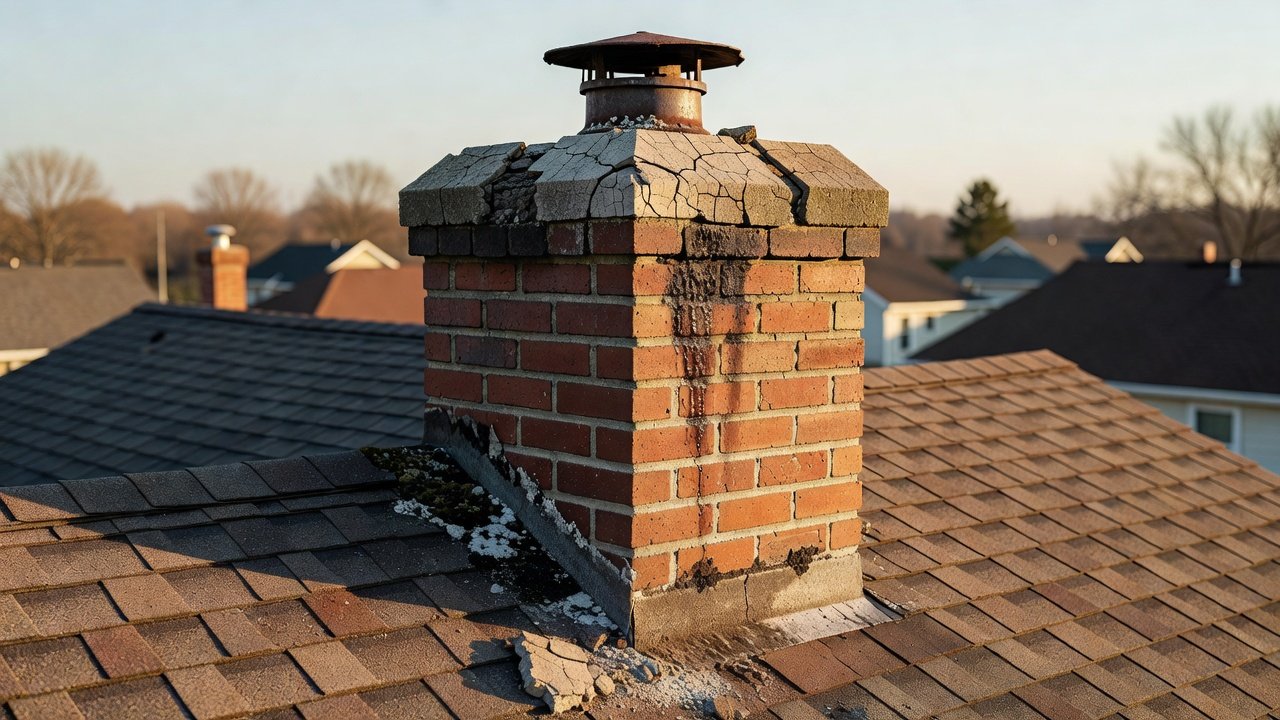
You find pieces of brick around the base of the chimney. The brick faces may also appear cracked, flaky, or pitted.
What’s likely causing it:
Moisture is one common contributor to masonry deterioration. When water enters porous masonry and temperatures drop below freezing, repeated freeze-thaw cycles can contribute to cracking and spalling.
Once the surface of a brick is damaged, additional moisture can enter more easily.
How a professional diagnoses it:
The extent of the damage matters.
A small number of damaged bricks may require localized replacement. More extensive deterioration can indicate a larger moisture problem that requires evaluation of the chimney crown, cap, flashing, mortar joints, and surrounding masonry.
Can this be prevented?
The best approach is to address sources of water intrusion before extensive masonry deterioration develops.
Properly maintained chimney components can help keep water away from vulnerable areas.
DIY limit:
Minor masonry work at ground level may be within the abilities of an experienced homeowner. Chimney masonry above the roofline is different.
Do not attempt extensive chimney masonry repairs without the appropriate equipment and experience. The work involves both structural considerations and fall hazards.
Heavy Creosote Buildup
What you notice:
You may see dark deposits inside the firebox or chimney. Heavy creosote can appear flaky, sticky, tar-like, or shiny and glazed.
What’s likely causing it:
Creosote forms when combustion products condense inside a cooler chimney. Burning wood that is not properly seasoned, restricted airflow, and cooler flue temperatures can contribute to its accumulation.
The physical form of the deposit matters because some deposits are easier to remove than others.
How a professional diagnoses it:
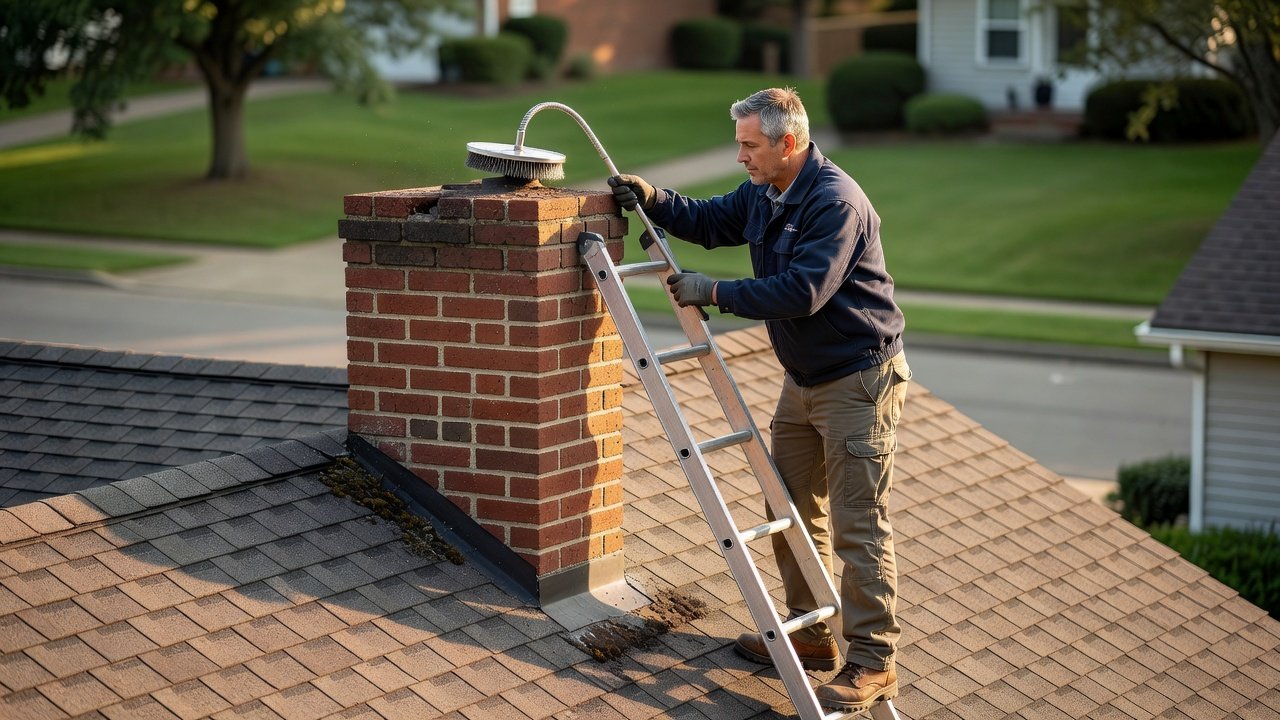
A chimney professional can inspect the accessible portions of the fireplace and flue and determine whether additional inspection is necessary.
Some hardened or glazed deposits can be difficult to remove with ordinary sweeping equipment. Specialized cleaning methods may be necessary depending on the condition of the chimney.
Can this be prevented?
Burn properly seasoned firewood and operate the fireplace according to the appliance manufacturer’s instructions.
Regular chimney inspection and cleaning can also identify combustible deposits before they become excessive.
The U.S. Fire Administration recommends having chimneys and vents cleaned and inspected by a qualified professional at least once a year.
DIY limit:
Heavy or unusual creosote buildup should not be treated as a routine DIY cleaning project.
If you suspect substantial creosote accumulation, stop using the fireplace until the chimney has been evaluated and cleaned as necessary.
What Inspections Actually Cost Around Cedarhurst
Chimney service prices vary depending on the property and the work involved. The cost can depend on the number of flues, chimney height, accessibility, inspection level, amount of buildup, condition of the masonry, liner condition, and whether repairs are needed.
A Level 1 inspection is generally used when the chimney system, appliance, and venting arrangement have not changed and there are no known hazards that would require a more extensive inspection.
A Level 2 inspection is more comprehensive and includes a video scan of the interior of accessible portions of the chimney. Under NFPA 211, Level 2 inspection is required in certain circumstances, including when there has been a change in the appliance or fuel type, when a property changes ownership, or when a Level 1 inspection reveals a hazard that cannot be fully evaluated without additional investigation.
Homeowners should ask the contractor which inspection level is appropriate and why.
Rather than relying on a generic online price range, request a written estimate that identifies the inspection, cleaning, repairs, materials, and any additional services included in the price.
When You Should Stop Guessing
Some chimney problems are easy to notice but difficult to diagnose.
You can observe smoke entering the room, white deposits on masonry, a stuck damper, damaged brick, or visible creosote. What you cannot always determine from those symptoms is the underlying cause.
That is where professional inspection becomes useful.
If your chimney has not been inspected recently, if you notice repeated smoke problems, or if you see signs of water damage or masonry deterioration, have the system evaluated before the next heating season.
Schedule a Chimney Inspection in Cedarhurst
Ridgewood Chimney serves Cedarhurst, Far Rockaway, and surrounding Nassau County communities with chimney inspection, cleaning, and repair services.
Our goal is to help homeowners understand what their chimney is showing them and determine which problems actually require attention.
If you have noticed smoke entering the room, masonry deterioration, water staining, a damaged damper, or heavy creosote, contact Ridgewood Chimney to schedule an inspection.
Call us or book online to get started.
Related from Far Rockaway Chimney: Chimney Repair in Far Rockaway — Stop a Small Crack from Becoming a Co · Chimney Repair in Far Rockaway, NY – Restore Safety & Structural I