
The Right Time to Get a Chimney Cap in Far Rockaway and What It Costs to Wait
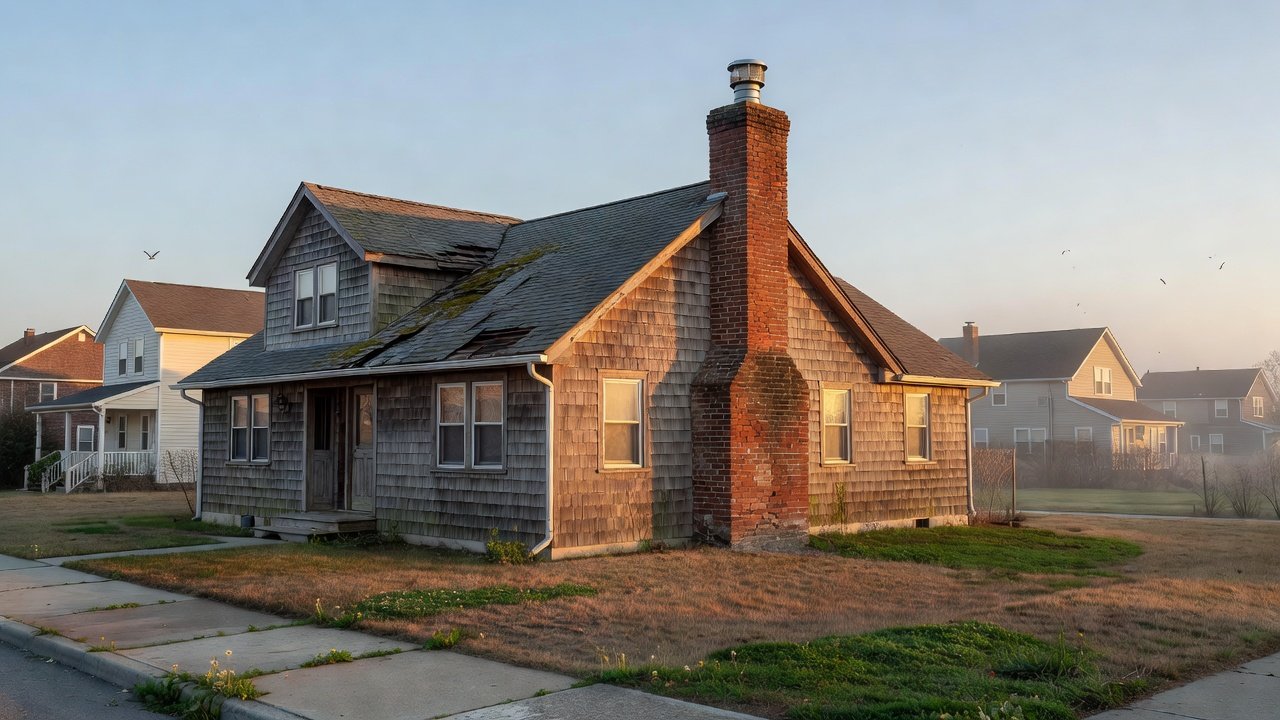
Far Rockaway sits at the southern tip of Queens, where Jamaica Bay meets the Atlantic Ocean. While the coastal setting is beautiful, it can be especially demanding on masonry chimneys. Salt air, coastal storms, winter freeze thaw cycles, and extended periods of humidity all contribute to faster chimney deterioration than many inland communities experience.
A chimney cap is one of the most affordable improvements you can make to your chimney system, and one of the most important. Installing one at the right time can help prevent costly repairs caused by water intrusion, animals, and debris.
What a Chimney Cap Does
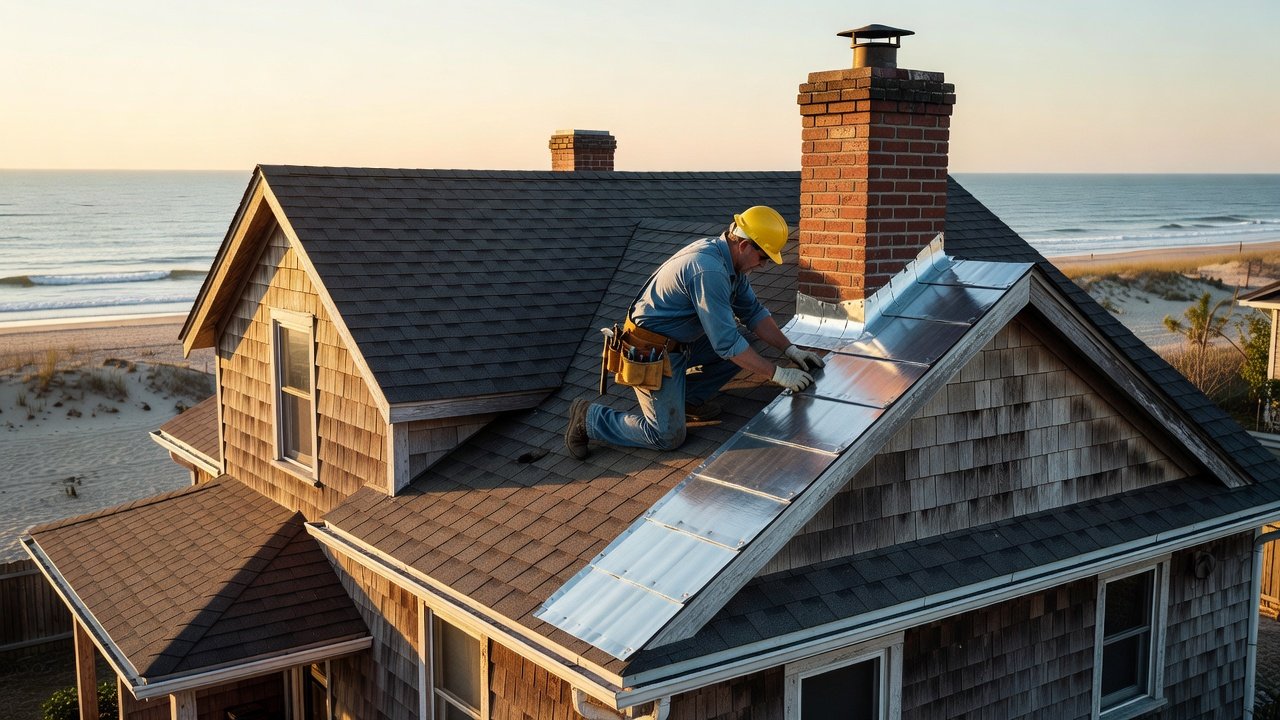
A chimney cap is installed at the top of the flue and serves several important purposes. It helps keep rain and snow out of the chimney, prevents birds and small animals from entering the flue, reduces debris from collecting inside the chimney, and can help minimize downdrafts caused by strong winds.
The Chimney Safety Institute of America recommends properly fitted chimney caps because they help protect the chimney system from unnecessary deterioration.
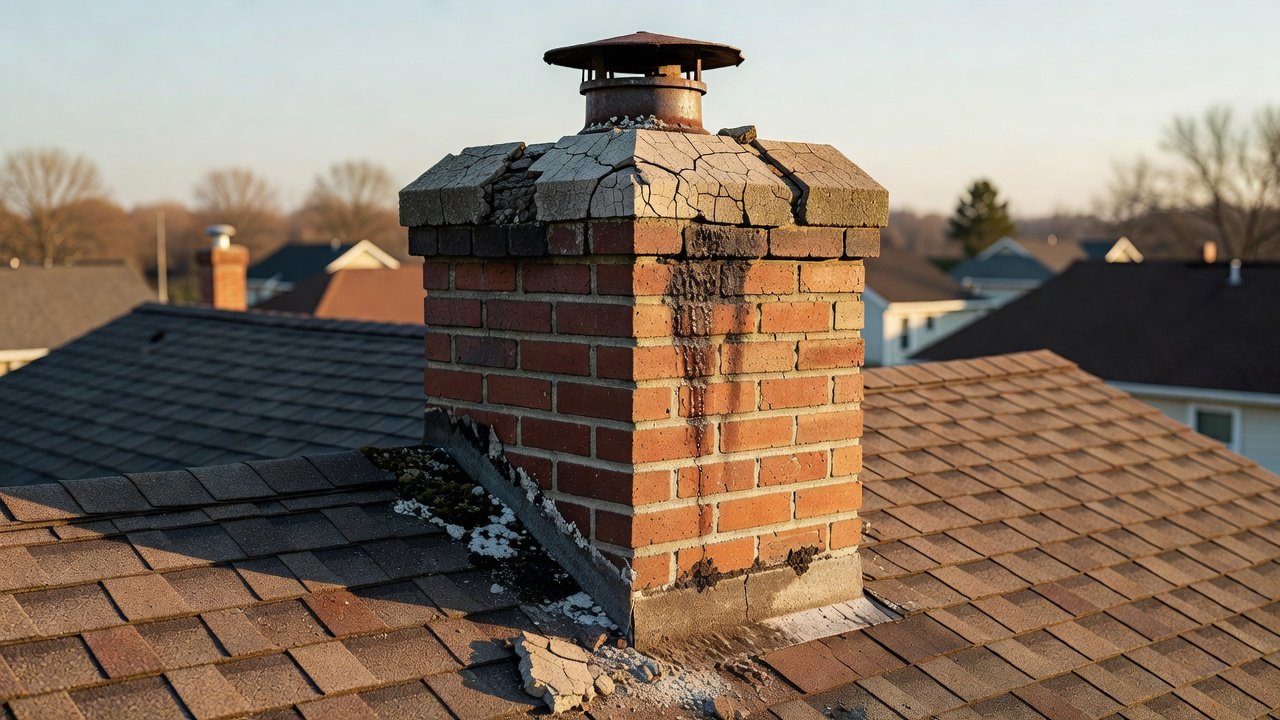
In coastal communities such as Far Rockaway, keeping water out of the chimney is especially important. Salt laden moisture can accelerate deterioration of mortar joints, masonry, and clay tile chimney liners over time. Repeated water intrusion may eventually contribute to spalling brick, damaged chimney liners, and deterioration of the firebox.
According to NFPA 211, controlling moisture is an important part of maintaining a safe and properly functioning chimney system.
Spring Is the Best Time for Installation
For most homeowners in Far Rockaway, spring is the ideal time to install a chimney cap.
Winter storms have passed, roofing conditions are generally safer, and chimney companies often have greater scheduling availability before the busy fall season begins.
Scheduling installation during the spring also gives your chimney technician the opportunity to inspect the chimney for any damage that may have occurred during the winter months.
Spring installation provides another important advantage. Chimney swifts typically begin nesting between late April and August. Once an active nest is present, federal law under the Migratory Bird Treaty Act generally protects the nest until the young birds have left. Installing a chimney cap before nesting season greatly reduces the likelihood of this type of delay.
In the Far Rockaway area, a standard stainless steel chimney cap typically costs between $200 and $400, including installation. Larger or custom chimney caps may cost up to $600, depending on size and design.
Summer Remains a Good Option
Summer is still an excellent time to install a chimney cap, although scheduling may require more advance planning.
Roofing contractors and masonry companies are often busier during the warmer months, so appointment availability may become more limited.
Summer is also when the effects of an uncovered chimney often become more noticeable. Birds, squirrels, raccoons, and other wildlife frequently seek shelter inside uncapped chimneys, creating additional cleanup and repair work before a cap can be installed.
If your fireplace has not been used since the previous winter, a chimney inspection before installation is recommended. Moisture that entered during colder months may have already affected the chimney liner or masonry.
Fall Is the Busiest Season
September and October are traditionally the busiest months for chimney companies.
Many homeowners schedule inspections and cleanings just before fireplace season begins, making appointment availability more limited.
Waiting until fall may also mean longer scheduling delays, especially following the first period of cool weather.
Another consideration for Far Rockaway homeowners is the arrival of coastal storms during the fall season. Strong winds and heavy rain associated with northeasters can force water and debris into an uncovered chimney, increasing the risk of interior water damage and accelerating chimney deterioration.
Installing a chimney cap before the fall season helps reduce these risks while avoiding the seasonal scheduling rush.
Winter Often Costs More
Installing a chimney cap during the winter is certainly possible, but weather conditions can make the work more challenging.
Snow, ice, and freezing temperatures may affect rooftop safety and can delay projects if additional masonry repairs are needed. Mortar repairs generally require temperatures above approximately 40°F during installation and curing for best results.
More importantly, an uncapped chimney that has remained exposed through multiple storms may already have developed moisture related damage requiring additional repairs.
The cost of installing a chimney cap may be relatively small compared with the cost of repairing a damaged chimney liner, deteriorated masonry, or water damaged firebox.
What Waiting Can Cost
While every chimney is different, homeowners often find that preventive maintenance is far less expensive than repairing long term water damage.
Typical costs may include:
- Chimney cap installation: $200 to $600
- Partial chimney liner repair: $1,500 to $4,000
- Stainless steel chimney liner installation: $2,500 to $5,000
- Firebox repairs resulting from significant water damage: $3,000 or more, depending on the extent of the damage
Installing a chimney cap before water intrusion occurs is one of the most cost effective ways to help protect your chimney system.
Schedule Your Chimney Inspection Today
Ridgewood Chimney proudly serves homeowners throughout Far Rockaway and surrounding communities.
If you are unsure whether your chimney has a properly fitted chimney cap, or if you would like to have your chimney professionally inspected before the heating season, our experienced technicians are ready to help.
We provide thorough chimney inspections, honest recommendations, and professional chimney cap installation to help protect your home from unnecessary water damage and costly repairs.
Contact Ridgewood Chimney today to schedule your chimney inspection or request an estimate.